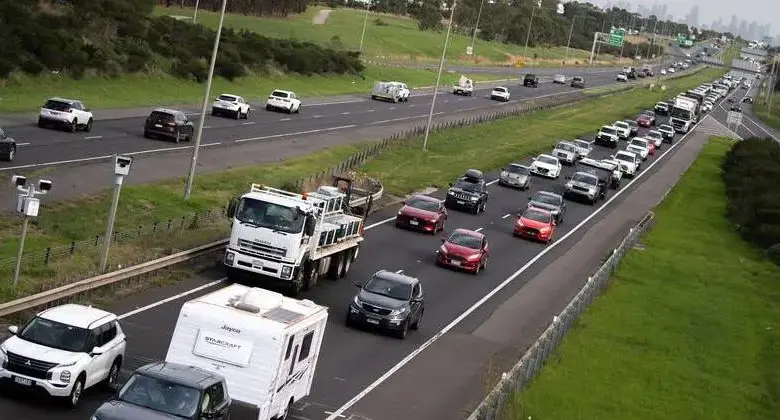
The Victorian car registration rebate lands at a moment when households are feeling pressure from higher fuel costs and governments are looking for fast, visible relief. In this case, the measure is narrow, immediate, and deliberately framed as help for motorists before voters head to the polls in November.
What Happens When Relief Meets Rising Costs?
The Victorian government is preparing a one-off 20% rebate on car registration, with drivers able to claim up to $186 back on one vehicle or $372 for two cars. The rebate will apply to light vehicles under 4. 5 tonnes, including cars and utes, and can be claimed on up to two vehicles registered in the same name.
This is not a structural overhaul of road charges. It is a budget sweetener meant to ease cost-of-living pressure in the short term. Premier Jacinta Allan said the government is determined to help Victorians who are under pressure, describing the move as immediate action that can make a difference. She also said the state can afford it because it is one-off help being delivered while the budget remains in surplus.
What If Fuel Pain Continues Into the Budget Cycle?
The timing matters because the rebate sits alongside broader strain in household budgets. Fuel prices have risen as global oil markets have been unsettled by war in the Middle East, and that has added urgency to any measure that can return cash quickly to drivers. The state is using registration fees as the delivery channel, rather than waiting for a slower or more complex support package.
The scale is also notable. The rebate is expected to cost about $750 million in foregone revenue, which signals that the government is willing to absorb a large fiscal hit for a short-term political and economic gain. It follows earlier moves to provide free and half-price public transport, suggesting a pattern of cost-of-living intervention rather than a single isolated decision.
What Forces Are Shaping the Victorian Car Registration Rebate?
The policy is being shaped by three forces at once: fuel-market disruption, household pressure, and election timing. The measure is designed to give cash back before the November poll, while also responding to the immediate effect of higher prices at the bowser. That combination makes the rebate both practical and political.
- Economic pressure: households are struggling as fuel prices rise.
- Fiscal room: the government says a surplus makes a one-off rebate possible.
- Political context: the rebate arrives before voters head to the polls in November.
There is also a broader national backdrop. Australia has strengthened fuel reserves, with 46 days of petrol in stock, 10 days more than when the conflict intensified. Additional diesel supplies are being secured, and that may reduce some immediate supply anxiety, but it does not remove the higher-cost environment facing motorists. In that setting, the Victorian car registration rebate is best seen as targeted relief rather than a cure for the underlying pressure.
What If the Rebate Works Exactly as Intended?
Best case: the rebate gives households quick breathing space, is easy to claim, and reinforces the government’s argument that it is responding to real pressure with practical help. Drivers get a visible benefit, and the state can point to a contained, one-off measure rather than a long-term cost burden.
Most likely: the rebate will help some households, especially those with one or two light vehicles, but it will only partially offset the broader cost-of-living squeeze. It may be welcomed as useful short-term relief, while remaining too limited to change the wider mood around higher prices.
Most challenging: if fuel costs stay elevated and household pressure persists, the rebate may be judged as symbolic rather than sufficient. In that scenario, the policy’s fiscal cost could stand out more sharply than its household benefit, particularly if voters want longer-lasting support.
Who Wins, Who Loses?
Winners include motorists with eligible vehicles, especially households that can claim the rebate on up to two cars. The state government also gains a clear message: it is acting quickly, and it is doing so in a way that can be explained in simple terms.
The main losers are the state’s future revenue position and, potentially, households that do not benefit much from the structure of the rebate. Those with fewer registered vehicles, or those outside the rebate’s scope, may feel that the relief is uneven. The measure also creates an expectation that government can keep cushioning every new price shock, even when the underlying cause is outside state control.
For now, the Victorian car registration rebate should be read as a tactical response to a volatile moment: limited in design, immediate in effect, and politically timed. Readers should expect more cost-of-living measures to be judged on speed and clarity, not just intent. The key question is whether this kind of relief can keep pace with the pressure that households are already feeling, and that is why the Victorian car registration rebate matters beyond the budget line.