In the Chornobyl Exclusion Zone, a freezing winter morning can look peaceful until an air raid siren breaks the silence. That tension gives Chernobyl its lasting force: even 40 years after the nuclear accident, the landscape still carries danger, memory, and daily uncertainty.
What does the Chernobyl Exclusion Zone look like now?
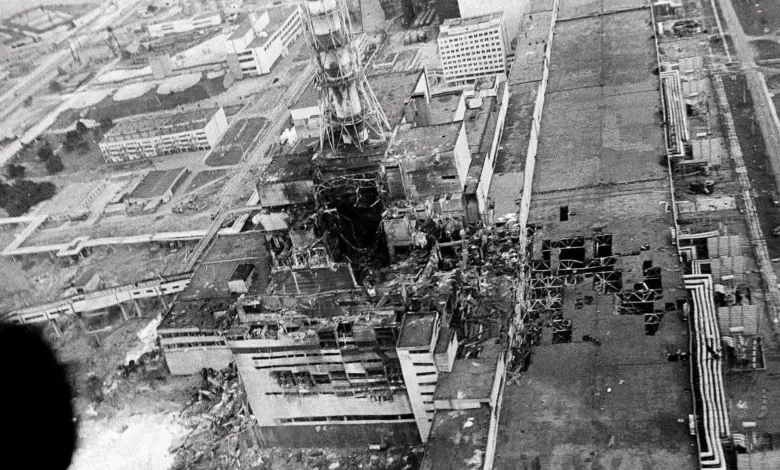
The zone covers about 30km in diameter, an area comparable in size to Luxembourg, and was created to contain the spread of contamination after the April 26, 1986, explosion at the Chornobyl nuclear power plant. The damaged Unit 4 reactor remains enclosed beneath the New Safe Confinement, a steel shelter built to hold radioactive material.
Yet the place is not frozen in time. Small communities of scientists, elderly returnees, and soldiers have carved out lives among abandoned buildings, while wildlife continues to move through the surrounding forests. In one scene, soldiers stood on a small bridge over a tributary of the Pripyat River, watching the sky with anti-aircraft guns mounted on pick-up trucks. The calm around them was only partial. Danger remains on the ground, where pockets of intense radioactive contamination still persist, and above, where Russian drones and missiles have regularly passed overhead from across the border in Belarus.
Why does the disaster still shape life in the region?
The 1986 explosion followed a late-night safety test on Unit 4. Flaws in the reactor’s design and operator errors in the control room triggered a power surge that tore the reactor apart and scattered radioactive debris into the night air. For two days, Soviet authorities restricted information about the fallout. On April 28, after elevated radiation levels were detected at a nuclear facility in Stockholm, Sweden, officials acknowledged that a serious nuclear accident had occurred.
After widescale evacuations, the exclusion zone was established. Ukraine later took control of the sealed area after the dissolution of the Soviet Union in 1991 and has continued to keep it closed to public access. The space is both protected and burdened: it contains contamination, but it also carries the weight of a catastrophe that has never fully passed from view.
Who still carries the memory of Chernobyl?
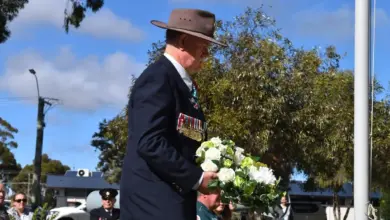
The human story reaches beyond the reactor itself. A group of former cleanup workers from Ukraine’s Poltava region returned ahead of the anniversary for a one-day excursion, revisiting a nearby site where they once worked to help contain the world’s worst nuclear accident. They were part of a much larger effort. Over four years, 600, 000 people joined the cleanup, including soldiers, firefighters, engineers, miners, and medics summoned from across the USSR.
These workers were known as liquidators, a Soviet-era term for people assigned to eliminate a problem. Their tasks were grim and urgent: helicopters dropped sand and other materials to smother the fire, workers washed radioactive dust from buildings and roads, buried poisoned machinery, cleared forests, and hunted animals to slow the spread of radiation. Many had little knowledge of the danger they faced. The return visit gave that labor new weight, turning memory into something immediate and personal.
What does the anniversary mean four decades later?
On Sunday, Ukraine marks the 40th anniversary of the accident. The official death toll is 31, but the wider impact remains contested and difficult to determine. A 2005 study by several UN agencies concluded that 4, 000 people could die as a result of the accident, while other estimates place the number higher. That uncertainty is part of the legacy too: the exact scale is hard to settle, but the human consequences are still being felt through memory, land, and loss.
In the zone, Chernobyl is no longer only a story of an explosion in 1986. It is also a story of return, endurance, and continued restriction. The name itself carries two realities: the sealed reactor under steel, and the people who still walk near it, knowing the ground beneath them remains contested by history, radiation, and war. The question is not whether the disaster ended. It is how much of it remains present in everyday life.