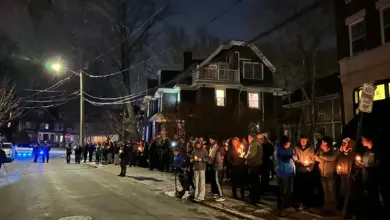
Palestinians in the occupied West Bank and central area of Gaza are voting today in local elections, the first ballot since the Gaza war began in October 2023, as the Middle East remains under pressure from parallel flashpoints. The Ramallah-based Central Elections Commission says more than 1 million people are eligible, including more than 70, 000 in Gaza’s Deir el-Balah area, and turnout was 15% so far this morning. At the same time, Israeli forces struck across southern Lebanon on Tuesday despite a ceasefire extension, intensifying fears that the wider Middle East could remain locked in overlapping confrontations.
Low turnout as voters head to the polls
The vote is taking place in the occupied West Bank and the central area of Gaza, where local elections are being held for the first time since the war began. Most electoral lists are aligned with Palestinian president Mahmoud Abbas’s Fatah party or run as independents, while no lists are affiliated with Hamas, which controls nearly half of the Gaza Strip.
In the West Bank city of Beitunia, voter Khalid al-Qawasmeh said people were casting ballots out of hope for improvements in crumbling infrastructure and public services. “Municipal laws need to be enforced so people feel there’s justice, ” he said.
The elections commission has campaigned under the slogan “We Stay” to encourage participation, framing the vote as a test of public will in the occupied territories. Its spokesperson, Fareed Taamallah, said voting “reflects the will if the Palestinian people to stay on their land and develop their country”.
Middle East pressure rises as Lebanon comes under fire
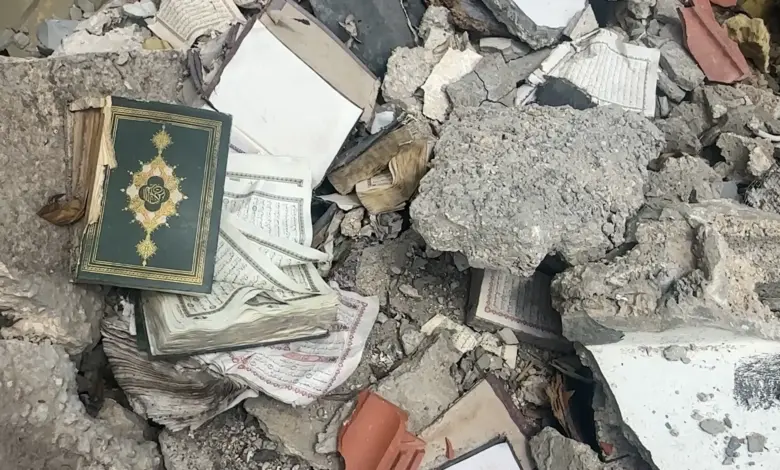
On the same day, Israeli forces caused extensive damage to a mosque in Lebanon during air strikes across southern Lebanon, in violation of the 10-day ceasefire agreement. Lebanon’s state-run National News Agency said the town of Yohmor al-Shafiq in the Nabatieh district was being subjected to “heavy artillery shelling, ” while a drone strike was also reported there in recent minutes.
In southern Lebanon, Huda Kamal Mansour of Aitaroun village described fleeing as the bombardment spread. “There was zero distance between us and the Israeli army when they attacked southern Lebanon, ” she said. “All I could hear was the sound of explosions hitting villages. We were told to evacuate from the village, then the tanks surrounded us”.
Why the vote matters now
The Palestinian Authority remains in power in the West Bank and has not held national elections since 2006, making today’s local vote a rare political event. In the occupied West Bank, many residents continue to face settler attacks, including the killing of two Palestinians, among them a 14-year-old boy, near a school in al-Mughayyir on Tuesday after settlers opened fire.
The result will not settle the deeper political questions surrounding the Palestinian Authority, but it does offer a narrow measure of participation at a moment when the Middle East is being pulled by war, ceasefire violations, and unresolved political pressure. For now, the vote and the strikes are unfolding side by side, with the Middle East still balancing on a fragile edge.
What happens next
Attention will now turn to how many Palestinians continue voting through the day, whether turnout rises beyond the early 15% level, and whether the situation in southern Lebanon escalates further. In a region already marked by instability, the Middle East faces another test of whether local politics and ceasefire claims can hold under strain.