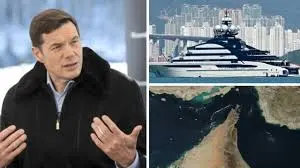
The superyacht at the center of this crossing is more than a luxury vessel; it is a signal of how contested the Strait of Hormuz remains even as private traffic thins and geopolitical pressure deepens.
What Happened When a Luxury Vessel Cleared the Strait?
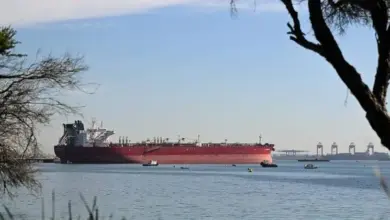
A 142m-long luxury boat linked to Russian billionaire Alexey Mordashov traveled from Dubai to Muscat, Oman over the weekend and reached Al Mouj marina in Oman’s capital on Sunday morning. It moved through the Strait of Hormuz despite the ongoing blockade of the critical shipping channel, and it was one of only a few private vessels to transit the route in recent months.
The vessel, Nord, is Russian-flagged and estimated to be worth over $500m. Mordashov is not listed as the formal owner, but the boat’s records indicate it was registered to a firm owned by his wife in 2022. The crossing stands out because private vessels have largely avoided the waterway since the outbreak of hostilities.
What If the Strait Remains Under Pressure?
The present state of play is defined by a narrow and unstable corridor. Approximately one-fifth of global crude oil and liquefied natural gas supplies normally pass through the waterway, yet maritime traffic through the Gulf channel is now at a fraction of pre-war levels. That means every vessel that still transits the strait carries outsized significance for markets, diplomacy, and shipping risk.
The broader energy picture remains tense. The conflict has contributed to a sharp rise in global oil prices, with Brent crude rising to $109 a barrel on Monday. Iran has continued restricting shipping through the vital waterway after President Donald Trump announced US forces would impose a blockade on Iranian ports.
What If Diplomacy Shapes the Route More Than Commerce?
One of the clearest forces of change is political alignment. Iran has engaged with Russia in high-level talks this week as its standoff with the US over the strait’s re-opening continues. At the same time, Tehran has focused its diplomatic efforts on strengthening ties with Moscow while long-term peace negotiations stall.
Russian President Vladimir Putin hosted an Iranian delegation in St Petersburg on Monday. Iranian Foreign Minister Abbas Araghchi described the relationship as strategic and said recent events had shown the depth and strength of that partnership. Putin told Araghchi that the Iranian people were courageously fighting for their sovereignty in the face of American and Israeli pressure.
What If the Pressure Spreads Beyond One Yacht?
| Scenario | What it would mean |
|---|---|
| Best case | Limited private crossings continue without further disruption, while diplomatic contact lowers the temperature around the strait. |
| Most likely | Traffic stays subdued, with only occasional transits and continued uncertainty for shipping and energy markets. |
| Most challenging | Restrictions tighten further, keeping the corridor highly constrained and adding more pressure to oil prices and maritime movement. |
Who wins and who loses depends on whether the corridor remains usable. Governments that can shape the diplomatic track gain leverage. Maritime operators, energy markets, and private owners of large vessels face more uncertainty. For sanctioned figures such as Mordashov, the movement of a high-profile vessel also underscores how asset visibility can intersect with sanctions pressure, even when formal ownership is structured indirectly.
The key lesson is that the Strait of Hormuz is not only a shipping lane; it is a live stress test for geopolitics, energy security, and elite mobility. The crossing by the superyacht does not signal normality. It shows that movement is still possible, but only in a landscape where risk, diplomacy, and restricted access remain tightly intertwined. Readers should watch for whether more private vessels attempt similar passages, whether talks between Iran and Russia deepen, and whether the blockade environment alters the flow of oil and LNG in the weeks ahead. For now, the superyacht is a reminder that the balance in the strait is still fragile.