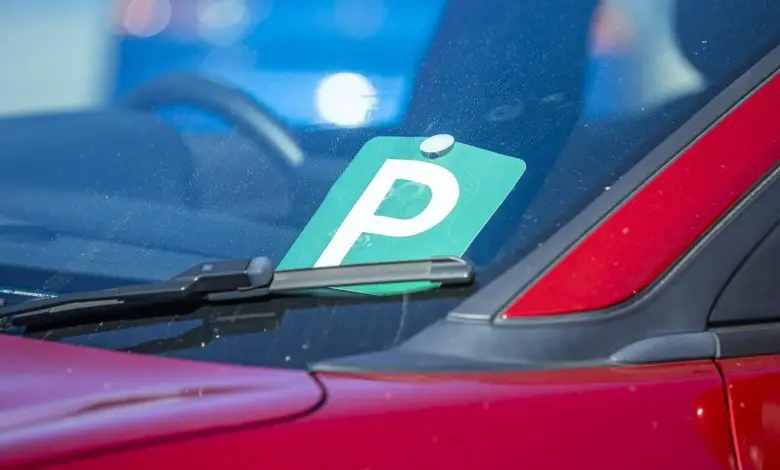
driver’s license rules in Western Australia are headed for a major reset, with learner and provisional motorists facing longer training, a longer P-plate period, and tighter restrictions on phones and alcohol during lessons.
What happens when the learner stage gets longer?
The planned changes would lift the minimum learner period from six months to 12 months and increase supervised training from 50 hours to 80 hours. That includes 10 hours behind the wheel at night, adding a specific focus on conditions that can be harder for new motorists to manage.
For many families, the most immediate change is not just the extra time, but the message behind it: the path to a full driver’s license is being made more deliberate. The Cook Government says the overhaul is intended to improve preparation before new drivers are allowed out on their own.
The provisional period would also rise from two years to three years, extending the time young motorists spend under graduated licensing conditions. In practical terms, that means more time under restrictions before moving into full independence on the road.
What if the rules around lessons and phones become stricter?
One of the clearest shifts is the proposed rule that teachers or supervisors must have no alcohol in their system at all while giving lessons. That is stricter than the current rule, which requires them to stay below a blood alcohol concentration of 0. 05 per cent.
The proposed phone rule is also significant. Learners and P-platers would only be able to make or receive calls through an in-car system. They would no longer be allowed to touch their phones at all, even if the phone is mounted in the vehicle. That would remove a common point of confusion and create a simpler, tougher standard for new drivers.
An online theory and hazard perception test is also being developed alongside the in-centre assessment. If implemented, that would add another layer to the testing process and make the licensing pathway more flexible, while still keeping formal assessment in place.
What if the new system becomes the new norm?
The reforms follow a public consultation period that drew 7700 responses, along with discussions with driver industry and road safety stakeholders. That suggests the changes are not being made in isolation, but in response to a broader debate about how best to prepare inexperienced motorists for real-world driving.
Safety concerns sit at the centre of the shift. Eighty three young West Australians aged 17-25 have died in car crashes since 2021, while 28 people in the same age group have died in motorcycle fatalities. Those figures give the government a clear basis for arguing that the current approach needs to change.
Road Safety minister Reece Whitby has described the new graduated licensing system as a key step in reducing risk for young and inexperienced drivers. Minister assisting the Transport Minister Jessica Stojkovski says the overhaul is designed to give new drivers the time, experience and skills they need to stay safe.
| Area | Current rule | Planned change |
|---|---|---|
| Learner period | 6 months | 12 months |
| Supervised training | 50 hours | 80 hours |
| Night driving practice | Not specified | 10 hours |
| Provisional period | 2 years | 3 years |
| Phone use | Current mounted-phone allowance | No touching phones; in-car system only |
| Supervisor alcohol limit | Below 0. 05 per cent BAC | No alcohol at all |
The government has also flagged possible motorcycle licensing changes, with public consultation expected next month. Proposed reforms include raising the minimum age for a learner motorcycle licence from 16 to 18, extending the provisional period from two years to three years, and adding further rider training and restrictions.
For families, learner drivers, and supervisors, the broader message is clear: a driver’s license in Western Australia is moving toward a longer, stricter preparation phase, with less tolerance for shortcuts and more emphasis on supervised practice.
What should readers take from this? The immediate change is not just paperwork; it is a structural shift in how new drivers are introduced to the road. The timetable still leaves room for implementation by the end of next year, but the direction is already set. For anyone preparing for a driver’s license, the safest assumption is that the road to independence will be longer, more disciplined, and more closely watched.