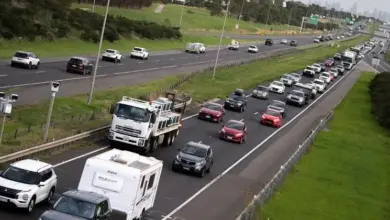
At the kitchen table, in the driveway, or at a servo receipt in the glove box, car registration rebates are the kind of policy that lands where pressure is already felt. In Victoria, the state government is preparing a one-off 20 per cent rebate on car registration as part of a cost-of-living measure aimed at easing strain as fuel prices climb.
The rebate is set to give drivers up to $186 back on one vehicle, or $372 for two cars, and it will be announced in the upcoming state budget. For households trying to manage rising expenses, the measure is designed as immediate relief rather than a long-term fix.
Why are car registration rebates being used now?
The timing is central to the policy. The Victorian government is turning to car registration fees to return cash to drivers before voters head to the polls in November. Premier Jacinta Allan said, “I’m determined to use government to help Victorians who are under pressure. ” She added, “This won’t fix everything, but it’s immediate action I can take to make a difference. ”
That message places the rebate within a broader cost-of-living push. It follows earlier moves to provide free and half-price public transport, showing a government trying to reach households through multiple parts of the weekly budget. In this case, car registration rebates are being used as a direct, visible form of relief.
Who will get the rebate and how much is it worth?
The rebate will apply to light vehicles under 4. 5 tonnes, including cars and utes. Victorians currently pay $930. 70 a year for registration, and the one-off rebate will return a portion of that cost. Drivers will be able to claim rebates on up to two vehicles registered in their name, regardless of how many cars are in the household.
That detail matters because the payment is tied to the vehicle, not the family unit. For some households, the benefit will be modest. For others with two eligible vehicles, the savings will be more noticeable. Either way, car registration rebates are being framed as cash that lands quickly, without waiting for a broader structural change.
The cost to the state is expected to be about $750 million in foregone revenue. That figure shows the scale of the government’s bet: give up income now to soften the pressure on drivers while fuel prices remain high.
What does this say about the pressure on motorists?
The rebate is part of a larger picture in which motorists are being squeezed from several directions at once. Fuel prices are rising, household budgets are tight, and transport costs are difficult to avoid for many workers and families. Against that backdrop, car registration rebates are being presented not as an abstract budget line, but as money back in people’s hands.
The state’s approach also reflects a political calculation. A visible payment can be easier for households to understand than a more technical change in tax settings or service delivery. It is immediate, tangible, and linked to a cost most drivers know well when the rego notice arrives.
How does this fit into the wider national pressure on fuel supply?
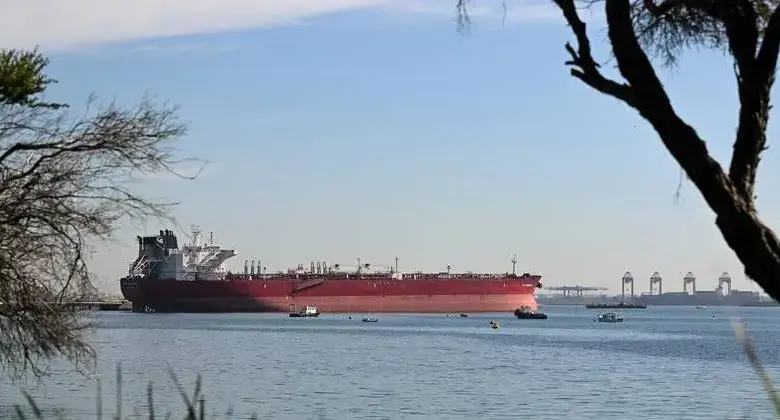
At the same time, Australia’s fuel system is under strain from international uncertainty. Energy Minister Chris Bowen said 4. 6 billion litres will enter the country in the coming four weeks as part of forward orders, up from 4. 1 billion at the same point the week before. He said 58 cargo ships of fuel were on their way, with some expected to arrive as soon as Sunday.
Bowen said Australia’s fuel stocks remain “very solid, ” adding that there are 44 days worth of petrol, eight days more than when Iran was first bombed. His remarks underline why households are seeing pressure at the pump at the same time as governments search for ways to cushion the blow. In that environment, car registration rebates become one piece of a broader response to cost and uncertainty.
For Victoria, the plan is simple in concept and significant in cost: put money back into drivers’ pockets now, and hope the relief is felt before the election cycle reaches its peak. On a street where a rego notice sits next to a fuel receipt, the difference may be small for some households and meaningful for others. Either way, the promise behind car registration rebates is the same — a little breathing room when every dollar matters.