Russia is entering a sharper phase of strain as battlefield losses, slowing gains, and uneven recruitment point to a changing balance of pressure in Ukraine. The latest figures suggest that Russia is paying more to take less, while Ukraine is increasing the effectiveness of its drone campaign.
What Happens When losses rise faster than gains?
The clearest signal is the scale of Russian casualties. Ukraine’s armed forces said Russian casualties reached 35, 351 in March, a new monthly high, with drones responsible for 96 per cent of those losses. That figure marked a 29 per cent increase from February and slightly exceeded the previous record set in December.
Ukraine’s commander in chief said the pattern reflects a rising casualty rate through this year. Ukrainian Defence Minister Mykhailo Fedorov said the losses were “clearly confirmed” because each strike is backed by video footage in the system. Ukrainian officials also point to a widening gap between losses and territorial gains. Colonel Pavlo Palisa, deputy head of the Ukrainian Presidential Office, said Russia suffered 316 casualties for every square kilometre it captured in the first three months of 2026, compared with 120 casualties per square kilometre last year.
What If recruitment cannot keep pace?
Another pressure point is manpower replacement. Ukraine’s defence ministry said Russia has been unable to replace all of its losses since December. Ukraine’s armed forces said in January that Russia aimed to recruit 409, 000 contract soldiers this year, which would imply a daily average of 1, 120.
But the Ukrainian “I Want to Live” initiative, which provides communication channels for Russian soldiers wishing to surrender, said Russia recruited 940 troops a day in the first quarter. If sustained, that would leave a shortfall of about 65, 000 soldiers this year. Even with uncertainty in battlefield estimates, the direction of travel is clear: if recruitment lags losses, Russia’s force quality and operational flexibility come under increasing pressure.
What Happens When drones shape the battlefield?
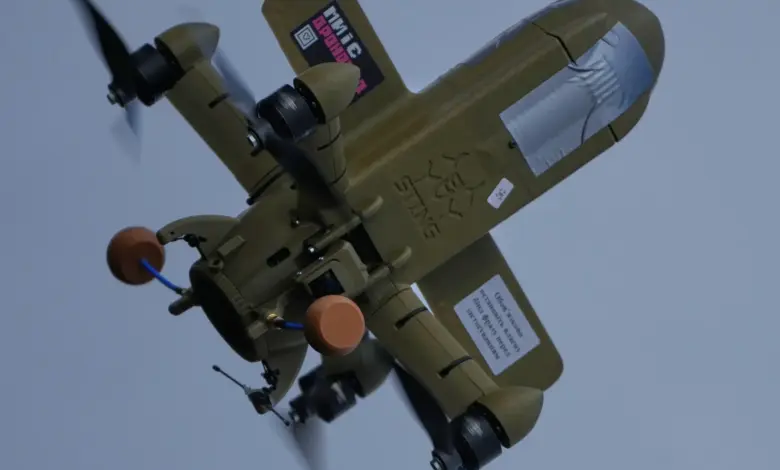
Ukraine’s drone production is now central to the shift. Commander-in-Chief Oleksandr Syrskii said Ukrainian forces struck 151, 207 targets in March using drones, a 50 per cent increase on February. He described the result as a “historical maximum, ” driven by 11, 000 drone sorties a day.
Palisa said Ukraine’s drone manufacturing had outpaced Russia’s to reach a 1. 3: 1 overall ratio in First Person View drones on the front lines. Fedorov added that Ukrainian interceptor drones shot down a record 33, 000 Russian UAVs of various types in March, double the previous pace. In this context, russia is not just losing personnel; it is facing a battlefield environment where low-cost systems are steadily raising the cost of movement, resupply, and exposure.
| Scenario | What it could mean |
|---|---|
| Best case | Recruitment improves, losses stabilize, and pressure on territorial holdings eases. |
| Most likely | Losses stay high, drone pressure remains intense, and territorial gains continue to slow. |
| Most challenging | Recruitment shortfalls deepen, casualty rates remain elevated, and operational strain widens. |
What If the pace of territorial gains keeps falling?
The Institute for the Study of War, a Washington-based think tank, said Russian forces captured an average of 5. 5 square kilometres a day this year, down from 10. 66 square kilometres a day in the middle of last year and 14. 9 square kilometres a day at the end of 2024. That trajectory matters because it suggests Russia is spending more manpower for less territory.
Ukrainian President Volodymyr Zelenskyy linked that weakness to Moscow’s ceasefire demand that Ukraine hand over the heavily fortified quarter of the eastern Donetsk region it held last August. He said the Kremlin appears to believe that if Ukraine retreats, Russia will avoid further heavy losses. Even without stepping beyond the available facts, the implication is straightforward: the current pattern rewards endurance, drone output, and manpower management more than raw scale alone.
For stakeholders, the winners are the forces best able to produce drones, sustain replacement pipelines, and absorb attrition. The losers are the formations most exposed to repeated strikes, recruitment gaps, and shrinking returns on advance. That includes frontline soldiers, commanders responsible for holding ground, and any strategy built on steady territorial progress at rising cost.
For readers watching the war’s next phase, the key takeaway is that russia is confronting a compounding problem: higher casualties, slower gains, and a drone environment that increasingly favors the side able to scale production faster. The exact path ahead is uncertain, but the trend is not. russia is entering a period where the cost of every additional move matters more, and the margin for strategic error is getting thinner.