The Israel Iran Ceasefire has become a turning point because the fighting it was expected to contain is still spilling into Lebanon, while hospitals in Beirut are already under severe strain. Prime Minister Benjamin Netanyahu said there is “no ceasefire in Lebanon, ” even as US diplomacy tries to widen the pause into a broader end to war.
What Happens When a Ceasefire Does Not Reach the Front Line?
Netanyahu said Israel is continuing to strike Hezbollah with full force and will not stop until security is restored. He also said he had instructed his government to open direct negotiations with Lebanon as soon as possible, with disarmament of Hezbollah and peaceful relations on the agenda.
That message matters because the Israel Iran Ceasefire was being treated by many as a possible opening for Lebanon as well. Instead, Israeli attacks continued, prompting condemnation and deepening fears that the conflict is simply shifting shape rather than easing.
What If Hospitals Become the Main Indicator of Escalation?
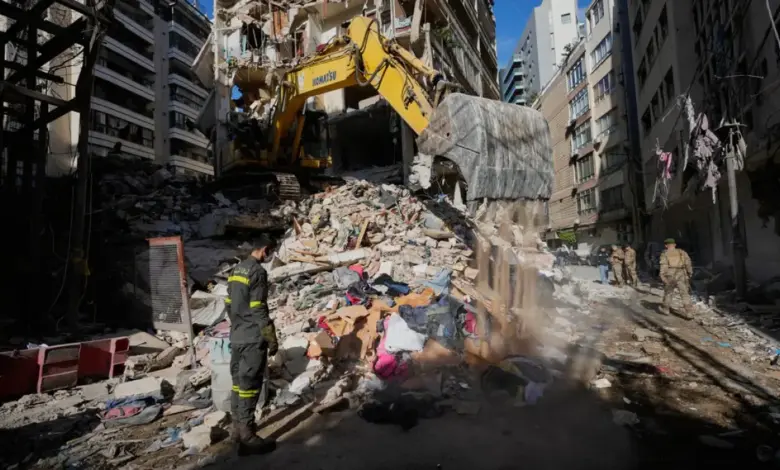
In Beirut, hospitals are already showing the human cost. At the American University of Beirut Hospital, staff received around 76 injured people in under an hour, and six did not survive. The Lebanese Ministry of Public Health gave a preliminary toll of 303 killed and 1, 150 injured from Wednesday’s attacks across Lebanon.
Doctors described the victims as overwhelmingly civilians. The Lebanese Health Ministry said at least 110 children, women, and elderly people were among those killed. Medical workers also said the injuries were severe, with blast force and collapsing buildings causing fractured bones and head trauma.
The pressure on care centers is now a policy problem as much as a medical one. At Rafik Hariri University Hospital, families arrived with children’s pictures, asking whether loved ones had been seen. In several Beirut hospitals, staff described exhaustion, shortage pressures, and a crisis unlike anything they had faced before.
What Forces Could Shape the Next Phase?
Three forces are now pulling events in different directions:
- US diplomacy is trying to contain the broader war, with Donald Trump saying he is optimistic about a peace deal with Iran.
- Israel is pressing military operations and framing them as necessary for security and Hezbollah’s disarmament.
- Lebanon’s civilian and medical systems are absorbing the shock, with rescue workers still pulling people from rubble and hospitals running under extreme pressure.
There is also a wider strategic risk. Trump warned Iran over the Strait of Hormuz, while Iran said it halted shipping traffic there in retaliation for Israel’s strikes on Lebanon. That adds a maritime and economic layer to an already volatile conflict.
What Scenarios Are Most Plausible Now?
Best case: Direct talks begin quickly, violence slows, and the Israel Iran Ceasefire becomes the basis for a wider regional pause, including Lebanon.
Most likely: The ceasefire holds unevenly, but strikes, retaliation, and political warnings continue, keeping Lebanon in a state of instability.
Most challenging: The pause breaks down, the conflict intensifies further, and hospitals, shipping routes, and civilian areas face even heavier strain.
The uncertainty is real: the latest statements suggest diplomacy is active, but the battlefield facts in Lebanon point in the opposite direction.
Who wins and who loses is becoming clearer. Political leaders may gain leverage from signaling toughness, but civilians, families searching for relatives, and overstretched doctors are bearing the immediate cost. Lebanon’s hospitals, already working at the edge, are the clearest warning that this is not an abstract ceasefire debate. The practical test is whether restraint can reach the ground before more lives are lost. For now, the message from Beirut is that the Israel Iran Ceasefire remains fragile, incomplete, and far from settling the wider conflict.