China Begins Construction of a Full-Scale Replica of the Titanic — Recreating Lives Aboard a Ship Far From the Sea

Dust rises around a skeleton of steel where, in a reservoir inland, workers are shaping what they call a life-size echo of a legendary liner. The new structure aims to reproduce the look and atmosphere of the titanic, from its grand staircases to period cabins, but it will never sail: it will remain permanently docked for visitors to walk through and experience.
Titanic recreated: what the replica will contain
The project, developed by Seven Star Energy Investment Group, is being built as part of a large tourism complex in an inland Chinese city. Developers say the hull will match the original ship’s length and include recreated first-class halls, passenger cabins, the grand staircase, dining rooms and promenade decks so visitors can experience the liner’s design and social spaces.
Designers also plan immersive elements that use modern sound, lighting and interactive displays to simulate moments from the ship’s final hours. Project developers have responded by emphasizing that “the goal is not to trivialize the tragedy but to preserve and share the history of the Titanic with new generations. ” The attraction’s backers describe the replica as both an educational site and a tourist draw.
Voices from the project and the museum world
Builders and planners present the replica as an engineering and cultural project; they point to careful recreations of spaces that made the original ship iconic. Critics and descendants of those connected to the disaster have voiced unease about staging the sinking as entertainment. That tension—between memorial and spectacle—has been central to public reaction.
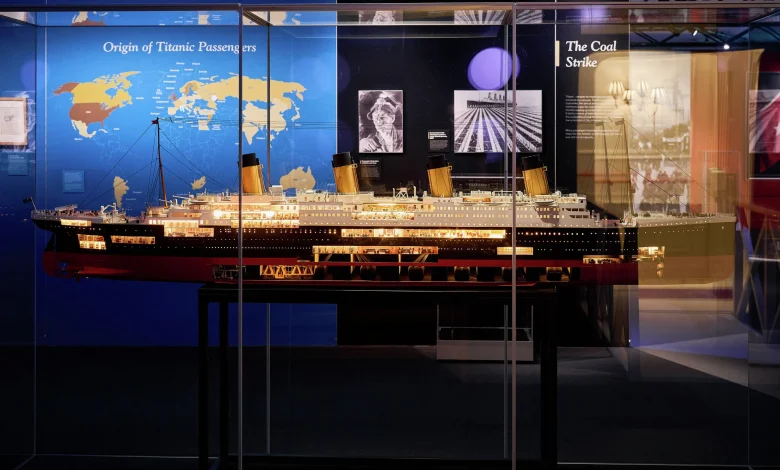
On the museum circuit, curators are taking a different tack. The touring exhibition titled “Titanic. The Human Story” centers squarely on the lives of passengers and crew, using artifacts and records to reconstruct personal stories from the voyage. Curated with Titanic historian Claes-Göran Wetterholm, the exhibition draws on decades of research to present individual narratives and more than 200 artifacts alongside life-size recreations of ship areas.
What is being done: memorials, exhibitions and design choices
Developers of the replica adjusted plans after early controversy over immersive disaster simulations, shifting emphasis toward visitor education and memorial elements. The inland ship will be permanently docked in a reservoir so that visitors can walk through period-correct cabins and public rooms rather than board a vessel destined for sea.
Meanwhile, the touring exhibition “Titanic. The Human Story” will open for U. S. audiences with a focus on personal belongings and accounts: photographs, letters and keepsakes are assembled to place human lives at the center of the narrative. Organizers describe the exhibition as a chronological journey from departure to the night of the disaster and use audio guides to convey those moments.
These parallel projects—one a full-scale, stationary replica, the other a traveling, artifact-driven exhibition—underscore how the same historical event is being shaped for distinct audiences: tourists seeking immersive spectacle and museumgoers seeking intimate human stories.
As the replica’s steel rises inland and artifacts travel to gallery spaces, responses have ranged from anticipation to unease. Builders and curators say the work aims to educate and remember, while critics warn against turning immense loss into entertainment. The debate continues as plans solidify and public openings approach.
Back at the reservoir construction site, cranes keep swinging and workers fit deck plates into place. The replica will let people step into reconstructed rooms and peer at recreated details, but as the project takes shape it also forces a question about how to honor lives lost while making history accessible. The titanic remains a story that prompts both wonder and caution—one that these projects expect visitors to confront in very different ways.