About 200 missiles and 1, 100 drones — plus several cruise missiles — have been intercepted by the country’s air defence even as the uae president, Sheikh Mohamed bin Zayed Al Nahyan, told the nation “We are now in a time of war” and vowed the country would “emerge stronger. ” The contrast between large-scale defensive activity and leadership rhetoric frames a region operating on two tracks: urgent defence and hedged diplomacy.
What is not being told about the immediate risk?
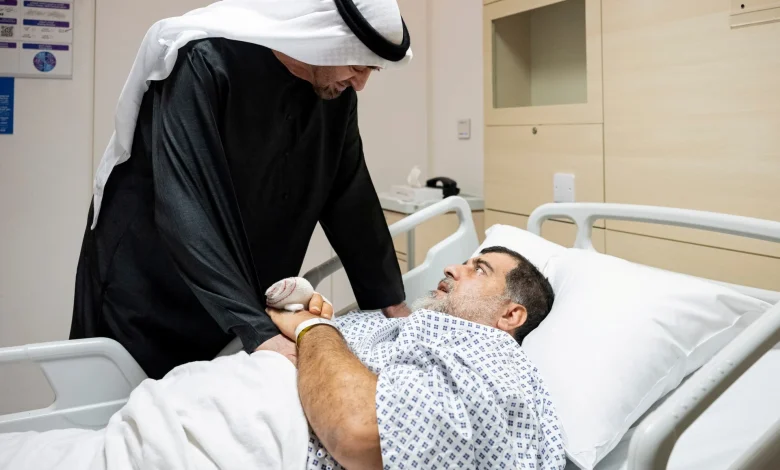
Verified fact: Sheikh Mohamed bin Zayed Al Nahyan, President of the United Arab Emirates, described the country as having “thick skin and bitter flesh” and warned it is “no easy prey, ” while he visited wounded patients in a hospital and said the UAE is prepared to confront “threats” to citizens and security. Verified fact: Dubai’s Media Office said one driver was killed when debris from an intercepted projectile struck his vehicle.
Verified fact: The country’s air defence has intercepted about 200 missiles, 1, 100 drones and several cruise missiles, creating major disruption to flights, closures of airspace and impacts on oil-and-gas production. Verified fact: All Gulf Cooperation Council nations — Saudi Arabia, Qatar, the UAE, Kuwait, Bahrain and Oman — have been targeted because of the presence of US assets within and around their borders.
What does the Uae declaration reveal about Gulf hedging?
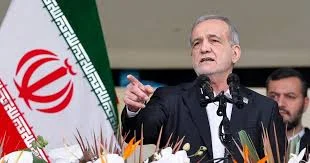
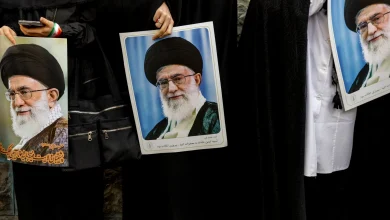
Verified fact: Iranian President Masoud Pezeshkian offered an apology to neighbouring nations for strikes on countries hosting US military bases, but that statement was immediately contradicted by Gholamhossein Mohseni Ejei, judiciary chief and member of the interim leadership council, who warned that “the heavy attacks on these targets will continue” and argued some regional geography is “at the disposal of the enemy. ” Verified fact: Iran’s Foreign Minister Abbas Araghchi clarified that President Pezeshkian “expressed openness to de-escalation within our region — provided that our neighbours’ airspace, territory, and waters are not used to attack the Iranian people. ” Verified fact: Mohammad Bagher Ghalibaf, parliament speaker, said an attack was carried out with support from one of the airbases in a southern neighbouring country and stressed nations will not enjoy peace while US bases remain in the region.
These statements show a fragmentation of messaging inside Iran’s leadership and a conditional openness to de-escalation that ties directly to whether neighbouring territories are used in operations. In parallel, the uae posture is both defensive and declarative: public reassurance to citizens, active air-defence operations, and a president framing the moment as wartime resilience.
Who benefits and who is accountable?
Verified fact: The Islamic Revolutionary Guard Corps conducted strikes identified as targeting US forces at Bahrain’s Jufair airbase and Iranian statements link continued operations to the presence of US military assets. Stakeholders include Gulf governments facing the immediate physical risk and the political challenge of hosting foreign assets; Iran’s interim leaders, some of whom advocate continued attacks; and civilian populations coping with disrupted transportation and civilian casualties. The uae leadership is positioned as protector and resolver, emphasizing defense readiness while the regional security environment forces Gulf states to hedge strategic bets against potential regime change in Tehran.
Analysis: When these verified facts are viewed together they expose a narrow but consequential contradiction: Gulf states, exemplified by the uae, are emphasizing hardened defence and public resilience at the same time that Iranian leadership statements oscillate between apology and escalatory intent. That oscillation complicates diplomatic space for de-escalation, while large-scale air-defence interceptions and civilian impact underline how tangible and immediate the threat environment has become.
Accountability and next steps: The public needs clear, consistent briefings from named officials—both for operational transparency about air-defence engagements and for diplomatic clarity about the lines that would permit de-escalation. Leaders whose statements are documented in the record—Sheikh Mohamed bin Zayed Al Nahyan; Masoud Pezeshkian, President of Iran; Gholamhossein Mohseni Ejei, judiciary chief; Abbas Araghchi, Foreign Minister of Iran; and Mohammad Bagher Ghalibaf, speaker of Iran’s parliament—should be asked to explain contradictions and to publish the criteria by which attacks on neighbouring territories will be judged. Without that public accounting, civilian risk and regional instability will continue to rise even as the uae insists it will “emerge stronger. “