news: Joint strikes by Israel and the United States have hit oil storage and transfer facilities in and around Tehran as the war enters its ninth day, producing large fires, thick smoke and mounting civilian harm.
What Is Happening Now?
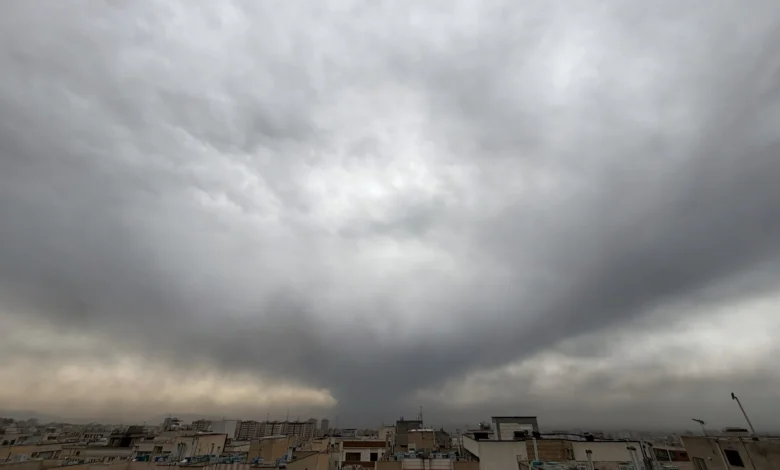
For a ninth consecutive day, coordinated military action has focused on Iranian territory and adjacent theatres. Attacks have struck four oil storage facilities and an oil production transfer centre in Tehran and the neighbouring Alborz province, including depots and a refinery in multiple parts of the capital and an oil depot in Karaj. The strikes sparked large fires and dense smoke over the city; witnesses observed oil leaking into streets and dark droplets falling in some areas, creating concern over air quality and environmental risk.
The human toll in the affected countries is significant: more than 1, 300 people have been killed in Iran and roughly 300 in Lebanon since the fighting escalated, while about a dozen deaths have been recorded in Israel. At least four tanker drivers were killed in the Tehran and Alborz strikes. Separately, several airstrikes hit residential neighbourhoods in eastern and southwestern Tehran during the latest wave.
Beyond Iran’s borders, the conflict is producing regional spillovers. Sirens sounded across Bahrain and Kuwait, with authorities telling residents to move to safe locations. Kuwait’s Defense Ministry says its forces are repelling drone and missile attacks, while firefighters are combating blazes at fuel tanks at Kuwait International Airport and at a government high-rise in Kuwait City. Tens of thousands fled southern suburbs of Beirut after an evacuation notice tied to strikes on infrastructure linked to armed groups there.
Governments are also moving citizens out of harm’s way: Japan’s Foreign Ministry facilitated evacuations by land and air for nationals in the region, and large charter movements have returned people to Tokyo from neighbouring states. The Interior Ministry in one Gulf state identified two servicemembers killed while on duty; these were described as recent war-related deaths in that country.
What Happens When News Headlines Reflect Escalation?
Even without referencing external headlines as sources, the operational effects described above reveal three linked pressures shaping the immediate trajectory.
- Military targeting of fuel and transfer nodes increases the risk of fuel supply disruption and constrained mobility for forces operating inside Iran. Efforts to strike storage and transfer centres aim to limit the movement and resupply of military formations.
- Attacks on civil industrial infrastructure carry environmental and civil-protection costs: large fires, leaking oil into urban areas and hazardous air that raises health risks for civilians and first responders.
- Regional escalation raises the chance of cross-border incidents and of armed actors using neighbouring states as battlegrounds or bases of operation, producing evacuations, heightened air-defence alerts and damage to critical infrastructure outside Iran.
What Should Readers Anticipate and Do?
Expect continued kinetic activity and wider secondary effects as long as strikes aim at infrastructure that supports movement and logistics. The pattern in recent days shows targeting beyond isolated military posts to facilities that affect fuel availability and urban safety, with knock-on effects in neighbouring states. Civilians in affected areas face the immediate risks of fires, toxic air and disruption to essential services; authorities in the region are urging sheltering and evacuations where necessary.
For readers tracking developments: monitor official government safety guidance for evacuation and sheltering, heed sirens and local emergency instructions, and anticipate interruptions to fuel and transport in and around strike zones. Key institutional signals to watch are defensive and rescue responses at targeted facilities, statements and movements from national defence bodies, and the flow of evacuations across borders. Uncertainty is high; the pattern to date is one of intensifying strikes on infrastructure, regional alarms and civilian displacement. news