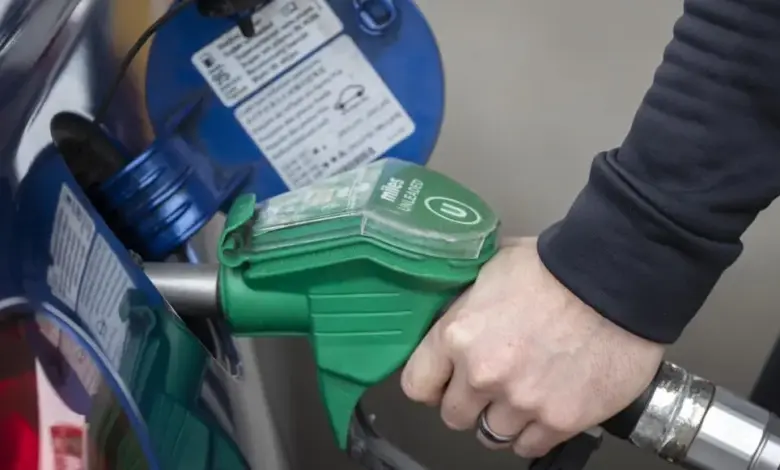
Diesel fuel has finally started to edge lower after weeks of increases tied to the conflict involving the US, Israel and Iran. The shift is small, but it marks the first turn in pump prices since the start of the war, and it matters because the earlier rise was fast, broad, and painful for households and motorists.
What If Prices Keep Falling?
The immediate turning point is not a dramatic reset, but a break in the pattern. Pump prices in the UK began to ease on Thursday and continued on Friday, with diesel down 0. 6p over two days to just below 191p a litre. Petrol also fell slightly, but the sharper pressure has been on diesel, which remains about £26 more expensive to fill a car than in late February.
That small easing follows a steep climb over six weeks, when diesel moved from 142p a litre to nearly 192p, while petrol rose from 133p to more than 158p. Even after the recent dip, fuel remains well above the level seen before the latest disruption. The RAC believes further reductions are possible because wholesale costs have stayed below their recent peaks.
What Happens When Supply Pressure Eases?
The core issue remains the Strait of Hormuz, a narrow maritime corridor that connects the Gulf to the Arabian Sea and usually carries about a fifth of the world’s oil supply. The effective closure of that route pushed wholesale prices up sharply after hostilities in the Gulf. Brent crude climbed from just under $70 a barrel before the conflict to above $100 in mid-March, then peaked at just over $119.
For now, the key signal is that wholesale markets are not matching the earlier peak. Simon Williams, head of policy at the RAC, said there is hope for further reductions amounting to several pence a litre in the coming days. That view is reinforced by the fact that the latest retail fall is happening while broader market costs remain lower than at the worst point of the spike.
What If The Conflict Proves Longer Than Expected?
The most important uncertainty is duration. Dr Oliver Browne, a lecturer at University College Cork, said a “worst case scenario” could still see fuel prices double if the war continues and supply issues deepen. He pointed to a set of possible paths: if talks continue and a ceasefire extends, oil could ease to around $77 or $78 a barrel; if conflict drags on without progress, prices may stay elevated; and if disruption continues beyond mid-May, structural supply problems could push oil much higher.
The broader risk is not only higher pump prices but also wider economic strain. The International Monetary Fund has warned that the conflict could tip the global economy into recession, while European Commissioner for Energy Dan Jorgensen has said that even the best-case scenario is bad. That combination shows why the current easing should be read as a pause in pressure, not a return to normal.
| Scenario | Fuel price signal | Market meaning |
|---|---|---|
| Best case | Several pence lower in the coming days | Wholesale relief passes through to pumps |
| Most likely | Small declines, uneven and gradual | Prices stay above February levels |
| Most challenging | Sharp renewed rise if disruption deepens | Supply shock spreads beyond current levels |
Who Wins, Who Loses If The Trend Holds?
Motorists are the immediate beneficiaries of any further drop, especially households already absorbing higher living costs. The Office for National Statistics said the proportion of people reporting fuel prices as a reason for increased living costs rose to 75% in March, up from 38% in February. Aman Navani, senior research and policy analyst at the Work Foundation at Lancaster University, linked that rise to growing anxiety among households about global economic shocks, especially as nominal wage growth has fallen sharply.
The losers are clear as well: low-income and insecure workers have little room to absorb another spike. Filling a tank still costs significantly more than it did before the conflict, and that means the pressure has not disappeared. Even if diesel fuel keeps edging down, the story is about whether supply disruptions continue to loosen, or whether the conflict keeps markets trapped in a volatile range.
What Should Readers Watch Next?
The next signal to watch is whether wholesale costs keep holding below their recent peaks and whether the ceasefire and peace-talk path remains open. If that happens, the current easing could broaden into a more visible decline at the forecourt. If it does not, diesel fuel may stay elevated for longer, with the risk of another jump still present. For now, the market has shifted direction, but not yet enough to call the pressure over. Diesel fuel remains the clearest measure of how fragile the current calm still is.