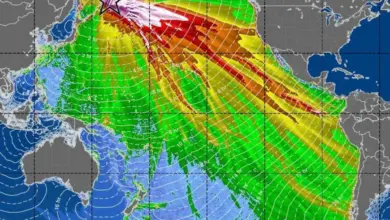
The bureau of meteorology says climate indicators are pointing to an increased chance of El Niño developing later in 2026, and that timing matters because the 2025-26 La Niña has already ended. For northern Victorian farmers, the shift raises the odds of a drier few seasons ahead, even though the timing and strength remain uncertain.
What Happens When the Pacific Warms Further?
In its latest Southern Hemisphere climate monitoring update, the Bureau said Pacific Ocean temperatures have risen beyond the La Niña qualifying range. It also said warming beneath the ocean surface suggests temperatures in the central tropical Pacific are likely to keep rising in coming months. That pattern is important because rising Pacific Ocean temperatures are a key trigger for El Niño, which can alter atmospheric circulation and reduce rainfall across Australia, including northern Victoria.
All major climate models, including the Bureau’s, are forecasting further warming through winter. Many are now pointing to conditions consistent with El Niño by late winter or early spring. The bureau of meteorology is not treating that as a certainty, but it is treating it as a growing risk as ocean-atmosphere patterns begin to line up.
What If Seasonal Dryness Becomes the Dominant Signal?
For northern Victoria, El Niño events have historically been linked to reduced winter and spring rainfall, warmer daytime temperatures and greater pressure on water availability. That can affect irrigation allocations, pasture growth and crop establishment, especially if catchments do not recharge over winter.
The Bureau has stressed that El Niño does not automatically mean drought. Even so, it does shift the odds toward drier conditions across southern and eastern Australia. The outlook is further complicated by the fact that ocean temperatures around Australia remain warmer than average, which can influence rainfall patterns and extreme weather events.
What If the Models Continue to Align Into Spring?
There is still uncertainty around timing and strength, but the direction of travel matters. International researchers have also flagged the potential for a strong El Niño event, with US scientist Dr Paul Roundy suggesting there is “real potential” for an unusually powerful episode to develop in 2026-27. Australian forecasters continue to emphasise that local impacts will depend on how multiple climate drivers evolve.
| Scenario | What it means for northern Victoria |
|---|---|
| Best case | El Niño develops weakly or later than expected, limiting rainfall disruption and giving catchments time to recover. |
| Most likely | Conditions trend drier through winter and spring, with added pressure on water, pasture and crop planning. |
| Most challenging | A stronger El Niño aligns with other warm ocean signals, increasing the risk of persistent dryness and tighter seasonal decisions. |
What Does This Mean for Farmers Planning Ahead?
The immediate message is not panic, but preparation. Northern Victorian farmers should closely monitor updates, review seasonal risk settings and plan conservatively as the climate outlook becomes clearer in coming months. The bureau of meteorology is signaling a change in the odds, not a fixed outcome, and that distinction matters. A warmer Pacific does not guarantee drought, but it does change the balance of risk for the next few seasons.
For producers, the practical challenge is to make decisions before the full picture is locked in. That means treating the latest signals as an early warning of possible rainfall pressure rather than a final verdict. As 2026 approaches, the bureau of meteorology will remain the key marker of whether the warming Pacific continues to consolidate into El Niño or fades before it fully sets in.