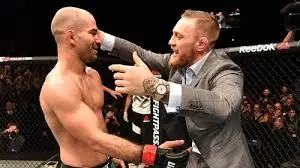
The mcgregor lobov whiskey settlement closed a dispute that had the potential to turn a business friendship into a prolonged courtroom fight. Conor McGregor and Artem Lobov reached agreement in the High Court shortly before lunchtime, ending a multi-million euro claim over the creation of a whiskey brand. The case had centered on an alleged 2017 oral commitment and a disputed 5 per cent shareholding in Proper No Twelve Irish whiskey. The resolution allows both men to step away from a trial that had been scheduled to last eight days.
How the dispute reached the High Court
The dispute had one simple but high-stakes question at its core: whether there had been an oral agreement on ownership. Lobov claimed McGregor failed to honour a 2017 commitment that would have given him a 5 per cent stake in the brand. McGregor denied any such agreement existed. That disagreement was enough to push the matter into a High Court case over a whiskey business that had already become commercially significant. The mcgregor lobov whiskey settlement ended that legal contest before evidence was heard in full.
For a case built around shareholding, the timing mattered. The brand at the center of the dispute, Proper No Twelve Irish whiskey, was sold in 2021 to drinks giant Proximo Spirits for an estimated $600 million, or €530 million. McGregor was reported to have received $130 million from the sale. Those figures gave the case weight far beyond a private disagreement, because any share claim would have had direct financial consequences tied to a major transaction.
What the settlement means for both sides
The settlement was announced in the High Court, and the judge described it as a matter ultimately resolved through negotiation. That framing is important: it signals that neither side won a courtroom judgment, but both chose to end the case on agreed terms. Mark Lynam, barrister for McGregor, told the court that his client was happy the matter had been resolved and could now focus on training ahead of an upcoming fight this summer. He also relayed McGregor’s thanks to Lobov for his work on the whiskey business.
Artem Lobov also left court saying he was happy with the resolution. In practical terms, the mcgregor lobov whiskey settlement removes the uncertainty of a scheduled eight-day trial and ends the immediate legal battle over ownership claims tied to the brand’s creation. It also avoids a public airing of evidence around an alleged oral deal, something that can be especially difficult to test where business arrangements were not put into writing.
Why the brand’s sale still shapes the story
Although the case ended in settlement, the sale of Proper No Twelve remains central to understanding why the dispute drew attention. A $600 million sale is not a minor commercial event, and McGregor’s reported $130 million windfall made the ownership question especially consequential. That backdrop is what turned a disagreement between former sparring partners into a major legal and financial story.
The sale also helps explain why the case could matter beyond the two men involved. When a brand changes hands for that level of value, even a small ownership claim can represent a large sum. The settlement therefore settles more than a courtroom file; it closes a question about whether an informal understanding could translate into real equity in a business that had already been sold.
Expert reading of the court outcome
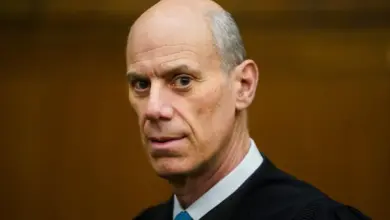
Judge John Jordan’s response offered a restrained but useful signal: the dispute was, in the court’s view, something that could be resolved through negotiation rather than trial. That is not the same as a finding on the merits, but it does show the legal process ended where many commercial disputes eventually do — with compromise. In this case, the compromise arrived before an eight-day hearing could begin.
From a legal perspective, the case also highlights the risk embedded in alleged oral commitments involving business ownership. A claim based on a verbal promise can be difficult to prove or disprove, particularly when the parties disagree on what was said and what it meant. The mcgregor lobov whiskey settlement leaves that question unanswered in court, but it underscores why such disputes can escalate quickly once money and equity are tied to a successful brand.
Broader implications beyond one whiskey brand
The wider significance lies in what the case says about celebrity-linked business ventures. McGregor’s whiskey brand was not just a product line; it became an asset with substantial sale value and legal sensitivity. When a venture of that size ends up in litigation, the dispute can ripple into public reputation, commercial trust, and future business relationships. McGregor’s statement through counsel that he could now focus on training suggests he wanted the legal distraction removed as much as the financial one.
For Lobov, the resolution avoids a drawn-out trial over a claim that he had helped create the brand and deserved a stake. For McGregor, it clears one contested issue while leaving the broader commercial history of the brand intact. The question now is not what the alleged oral deal might have meant in theory, but how often similar high-value partnerships will remain vulnerable when key promises are never fully documented. The mcgregor lobov whiskey settlement may have ended this case, but it leaves open a wider lesson about trust, memory, and ownership in celebrity-backed business deals.