In Seoul, the debate over south korea secure crude oil is not abstract. It is about whether tankers keep moving, whether energy bills stay manageable, and whether the country can steady itself while a narrow waterway remains under pressure.
What did South Korea say about shipments through Hormuz?
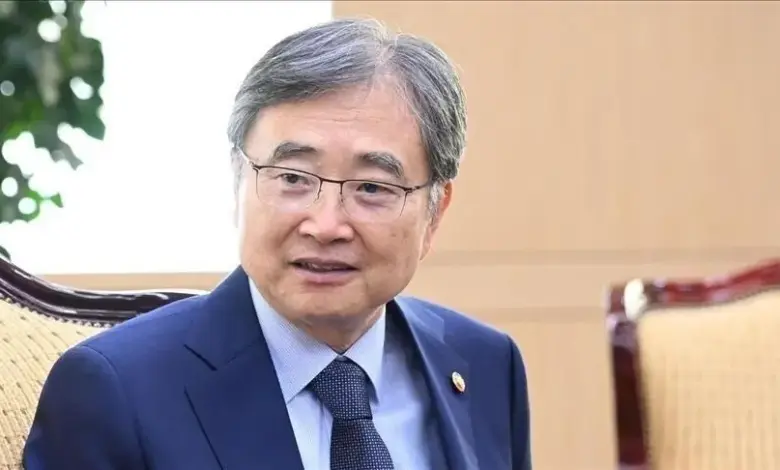
On Wednesday, South Korea said it has “no plans at this stage” to pay Iran a toll to get stranded ships out of the Strait of Hormuz. Foreign Minister Cho Hyun told lawmakers in parliament that Seoul had no plan to pay Iran any form of compensation or take any action that would run counter to what the United States has stated.
Cho also said South Korea had shared data on its ships with Iran, the United States, and other Gulf nations. The message was one of caution rather than escalation, as the country tries to keep its energy flows intact while avoiding steps that could deepen the standoff.
How much crude has South Korea secured outside the Strait?
Separately, presidential aide Kang Hoon-sik said South Korea has secured 273 million barrels of crude oil imports from four Middle Eastern countries by the end of the year. That figure sits at the center of the country’s effort to protect supply lines as the crisis around the Strait of Hormuz continues.
The pledge of supply comes after Kang’s eight-day trip to Oman, Saudi Arabia, Qatar and Kazakhstan. In practical terms, it gives Seoul a degree of reassurance, but not full relief. The country still faces the challenge of moving oil through routes that remain vulnerable to disruption and political pressure. For a state that paid roughly $144 billion in 2024 for energy purchases from the Middle East, even small interruptions carry outsized consequences.
Why is the Strait of Hormuz so important for South Korea?
The Strait of Hormuz remains a flashpoint because Iran has maintained control of the waterway amid conflict with the United States and Israel, affecting global energy supplies. The United States imposed a blockade on Monday, with President Donald Trump saying the move was aimed at forcing Tehran back to the negotiating table. The two warring sides have observed a 14-day ceasefire since April 8.
For South Korea, the immediate concern is not only political. It is logistical and economic. As one of the most energy-dependent nations, it must keep looking for routes that can support imports if access through the Strait becomes harder to manage. Late last month, the Iranian ambassador in Seoul said South Korean ships can go through the Strait of Hormuz, but only after coordination with Tehran. That condition adds another layer of uncertainty for shippers and policymakers alike.
What is Seoul doing to reduce the economic shock?
The government is widening its search for supply options. Seoul has dispatched special envoys to Algeria and Libya and plans to send another envoy to the Republic of Congo to seek new supply routes amid the Middle East crisis. The effort reflects a broader push to reduce dependence on a single corridor at a moment when alternative routes matter more than ever.
To cushion the economic impact, President Lee Jae Myung’s government is implementing an extra budget of $17. 7 billion. The Industry Ministry said the government will cover additional shipping costs that crude importers have to bear when importing alternative supplies from regions other than the Middle East. The ministry said the compensation is expected to amount to 127. 5 billion won, or $86. 6 million.
What does this mean for households and industry?
The picture is still unsettled, but the policy response is clear: protect supply, soften the cost, and avoid steps that could worsen the dispute. South Korea secure crude oil is now a test of how quickly a major energy importer can adapt when the risks are not theoretical but immediate. For businesses, the concern is shipping costs and fuel stability. For households, it is the quieter fear that global tensions will eventually show up in the monthly budget.
The Seoul scene is one of measured urgency. Officials are trying to keep tankers moving, secure alternative volumes, and prevent the crisis from becoming a domestic shock. In that sense, the oil figures matter less as a headline than as a promise that the lights stay on, even when the route ahead is anything but steady.