A farmer in Dorset says rising diesel costs are already hitting day-to-day work as fuel prices climb across the south of England during the conflict with Iran. The strain is spreading through businesses that depend on petrol and diesel, with many warning the extra expense will be passed on to customers. The pressure is building during a busy season for farm work and comes as drivers in Southampton and Dorset feel the hit in their own budgets.
Fuel prices rise sharply across the region
Fuel prices have risen across the UK since the war with Iran began on 28 February, with the average price of petrol up 25p a litre and diesel up 48p. That places diesel at its most expensive level in more than three years, raising costs for farms, taxis and other local services that rely on steady fuel use. In the south of England, the effect is being felt most sharply by businesses that cannot easily absorb the increase.
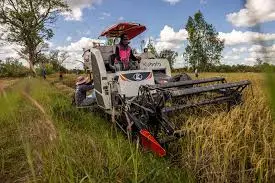
James Cossins, who runs a dairy, beef and arable farm in Tarrant Rawston near Blandford, Dorset, said the price of the 200 to 300 litres of diesel he needs each day to run his tractors has doubled. He said it is a busy time of year because crops are being sown and fertiliser is being put out, which makes the higher fuel bill even harder to manage for a farmer trying to keep production moving.
Farmers warn higher costs will be passed on
Jim Hooper of Berry Hill Farm in Throop, Dorset, said the rising fuel costs will eventually have to be passed on to the customer. He said this is the “hungry gap” for vegetable growers, when stored winter vegetables begin to run out and new summer crops are not yet ready to harvest. He described it as a worry that his product has not been at its best and that he has not yet been able to justify increasing prices.
The situation leaves a farmer like Hooper caught between higher operating costs and limited room to adjust prices immediately. The pressure on input costs is especially sensitive now, when supply is already uneven and growers are trying to keep produce available before summer harvests begin.
Taxi drivers feel the squeeze too
Perry McMillan, a taxi driver in Southampton, said it now costs him well into £50 to fill up, compared with just under £40 before the rise. He said he has been constantly hunting around for the best prices and that the situation has brought home how reliant the country is on oil. Because Southampton City Council sets maximum fares for licensed hackney carriage vehicles within the city boundary, McMillan said drivers have to “bite the bullet” and absorb the extra costs.
He said it is too early to assess the long-term impact, but if prices remain high, cabbies will have to work longer hours to make up the difference. He added that he and his customers are very angry about the war and the knock-on effect on the cost of living, while also saying people have been generous and understanding about the pressures taxi drivers face.
What happens next for businesses and customers
There was brief relief when the US and Iran announced a two-week ceasefire agreement, which pushed oil prices down. But the prices jumped again after peace talks broke down and Donald Trump ordered the blockading of Iranian ports, leaving farmers and transport workers facing another round of uncertainty.
For now, the message from the south of England is blunt: a farmer, a taxi driver and other fuel-dependent workers are all staring at higher bills, and many expect the cost to move through the local economy if the situation does not ease soon. The pressure on the farmer in Dorset is one sign of a wider squeeze that could deepen if fuel stays high.