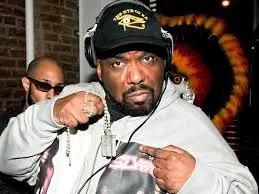
In 2026, the death of afrika bambaataa became a turning point for how the year’s losses are being read inside Black culture. The news landed not only as the end of a life, but as another reminder that the people who helped shape modern Black artistic identity are being remembered in real time, with their influence and contradictions both coming into view.
What Happens When a Founding Figure Is Lost?
On April 9, Afrika Bambaataa was reported dead following complications with cancer at age 67. The news was later confirmed posted by the Hip-Hop Alliance. In that statement, the organization described him as a founder whose work helped shape the early identity of hip-hop as a global movement rooted in peace, unity, love, and having fun.
That framing matters because Bambaataa’s place in culture is not simple. The statement also acknowledged that his legacy is complex and has been the subject of serious conversations within the community. For readers tracking the shape of 2026, this is one of the clearest examples of how public memory is increasingly being asked to hold two truths at once: historical influence and unresolved harm.
What Does the Current State of Play Look Like?
The broader picture in 2026 is one of layered loss. Alongside afrika bambaataa, the year has included the deaths of Kiki Shepard, Oliver “Power” Grant, LaMonte McLemore, and Billy “Bass” Nelson. Each represented a different lane of Black creative and cultural life: television, business, music, and the infrastructure behind iconic acts.
These losses are not isolated. They show a pattern in which the people who helped build institutions, sounds, and visibility are now leaving the stage. That gives 2026 a different emotional weight: it is not just about celebrity death, but about succession, memory, and who is left to interpret the past for the next generation.
| Figure | Known role | Why it matters now |
|---|---|---|
| Afrika Bambaataa | Hip-hop pioneer | Signals the loss of a foundational figure in hip-hop history |
| Kiki Shepard | Actress, dancer, model, co-host | Represents Black television and stage visibility |
| Oliver “Power” Grant | Businessman behind Wu Tang Clan | Highlights the business side of rap culture |
| LaMonte McLemore | Founding member of The 5th Dimension | Connects music history to photography and pop crossover |
What Forces Are Reshaping the Story?
The first force is institutional memory. Once a major cultural architect dies, the job of preserving context shifts from the person to the community around them. In Bambaataa’s case, the Hip-Hop Alliance’s statement shows how organizations now frame legacies with both reverence and caution.
The second force is accountability. The public is no longer asked to remember only what an artist created; it is also asked to consider what that figure represented inside the community. That tension is central to how afrika bambaataa is being discussed in 2026.
The third force is the pace of generational turnover. When multiple Black figures with long cultural footprints are lost in the same year, the effect is cumulative. It changes what younger audiences inherit and what older audiences feel they must preserve.
What If the Losses Continue to Cluster?
Three paths are visible from here.
- Best case: Communities use these losses to strengthen archives, tributes, and honest education about Black cultural history.
- Most likely: 2026 becomes a year of repeated remembrance, with each passing deepening public reflection but also exposing gaps in how legacies are maintained.
- Most challenging: Complex figures are flattened into either celebration or rejection, making it harder to tell accurate cultural history.
For afrika bambaataa, the most durable outcome will depend on whether future conversations can keep the full record in view: influence, contradiction, and the larger story of hip-hop’s rise from the Bronx to the world.
Who Wins, Who Loses, and What Should Readers Watch?
Those most likely to benefit are archivists, educators, and culture keepers who can translate loss into context. Communities lose when memory becomes fragmented or sentimentalized. Artists, younger listeners, and the institutions that document Black history all have a stake in what gets preserved now.
The practical lesson is straightforward: this is a moment to pay attention not just to who has died, but to how their stories are being framed. The way 2026 is remembered will depend on whether Black cultural history is treated as a living record or a series of disconnected obituaries.
For readers, the key takeaway is to expect more such reckonings this year, and to approach them with care. The story of afrika bambaataa is no longer only about one person; it is also about how a culture decides to remember its founders, its losses, and its unfinished debates. afrika bambaataa