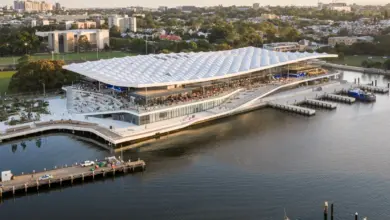
Shock: two consecutive cancellations for the same illness left a sold-out arena idle and local businesses without the economic bump they expected. The band announced the Oshawa cancellation for the same reason as the earlier Sault show, and still planned to perform in Hamilton. The pattern raises a central question for residents and officials: what financial and operational fallout did these cancellations create?
What forced the Goo Goo Dolls to cancel multiple shows?
Verified facts:
- The band cancelled a sold-out concert at GFL Memorial Gardens on March 30 hours before the scheduled start, citing illness.
- The band cancelled a separate show in Oshawa for the same illness and indicated plans to appear at the TD Coliseum in Hamilton the following day.
- Venue staff and the band were on site in Sault Ste. Marie—buses were parked at the GFL and the venue was prepared to host the concert.
- Brent Lamming, deputy CAO of community development and enterprise services for the City of Sault Ste. Marie, described the contracts as individually negotiated with liability and risk management provisions and said the city absorbs certain risks tied to ticket thresholds and cost allocations.
Analysis: The sequence of cancellations, both attributed to illness, establishes a verifiable pattern rather than an isolated incident. The band’s own statement linking the Oshawa cancellation to the same illness that halted the Sault show narrows the plausible explanations that need public accounting. At the municipal level, pre-negotiated contract language and the fact that buses and venue staff were present mean costs were already incurred before cancellation.
Who bore the financial costs and what does the city know?
Verified facts:
- Brent Lamming said exact financial losses from the cancelled concert were not readily available and could take time to calculate.
- The city absorbed staffing and operational costs for converting the arena for the concert and then returning it for scheduled home playoff games for the local hockey team.
- Events of this nature usually generate additional spending in restaurants, bars and other local businesses; the number of reservations cancelled and resulting losses to small- and medium-sized businesses is not known.
- Travis Anderson, director of tourism for the City of Sault Ste. Marie, could not be reached for comment about the cancellation’s broader tourism impact.
Analysis: The municipal exposure is twofold: direct costs tied to venue operations and indirect economic loss to local commerce. Brent Lamming’s description of individualized contracts and the city’s willingness to accept certain risks implies there is precedent for public investment to secure headline acts. The absence of an immediate dollar estimate and the lack of a tourism office response leave the community without a clear inventory of losses, complicating recovery and future planning.
What accountability and transparency are required now?
Verified facts:
- The city previously authorized staff to offer upfront money—up to $300, 000—to attract popular bands to the venue; that approach produced contracts with multiple acts, including the one cancelled on March 30.
- Brent Lamming dismissed suggestions that the Sault cancellation was related to an unrelated early-morning shooting, stating it was cancelled because the singer was ill and felt unable to perform.
Analysis and recommendation: The combination of large upfront incentives and individualized contract risk means municipalities must make the financial implications of entertainment guarantees transparent to taxpayers. Officials should publish a clear post-event accounting when a major concert is cancelled late, including direct municipal costs, the mechanism for recouping any losses, and estimates of local business impacts when available. That disclosure would separate verifiable fact from speculation and allow residents to judge whether current contracting practices align with community priorities.
Verified fact summary: the goo goo dolls cancellations left a sold-out venue idle, imposed operational costs on the city, and disrupted expected commerce for local businesses. Analysis: without timely, itemized financial disclosures, the public cannot assess whether the economic trade-offs in pursuing major acts remain justified. The city and touring parties now face a choice: offer fuller transparency or accept lasting erosion of public trust.