The Magic vs Lakers matchup lands at the Kia Center at 7: 00 p. m. ET in a nonconference test that pits a physical, defensive-minded Orlando team against an efficient Los Angeles offense. Orlando (38-31) arrives after a 130-111 loss, while the Lakers (45-25) come off a 134-126 win. The first meeting ended 110-109 for the Magic, setting the stage for a game that could hinge on foul-line activity, interior control and late-game creation.
Magic Vs Lakers: Background, injuries and recent form
The context for this Magic Vs Lakers rematch is straightforward. Orlando sits seventh in the Eastern Conference and is 21-12 at home. Los Angeles is third in the Western Conference and 22-13 on the road. The teams split momentum: the Magic have not been as sharp in their most recent outing, while the Lakers continued a winning run with a high-scoring victory.
Key injury designations will shape rotations. For Orlando, Anthony Black is out with a left lateral abdominal strain and Franz Wagner is out for left high ankle sprain management; Wendell Carter Jr. is listed as questionable with a left rib mild contusion. For Los Angeles, Austin Reaves is questionable with left hip soreness. These statuses affect bench depth and matchup options on both ends.
Deep analysis and expert perspectives: match mechanics, numbers and x-factors
At the core of this matchup are contrasting profiles. The Magic present a stronger defensive case on paper with a 113. 9 defensive rating that ranks 10th in the league, while the Lakers’ defense sits at a 116. 8 defensive rating, 21st in the league. Orlando also attacks the free-throw line at the highest rate in the league with 26. 9 free-throw attempts per game, a crucial tendency for a home team looking to control the tempo and physicality.
offensively, Los Angeles is more dangerous by design. The Lakers carry a 118. 3 offensive rating (seventh in the league) and lead the NBA in field-goal percentage at 50. 0%. Their assist profile (25. 6 per game) and the presence of late-game shot creation give them an edge in finishing tight contests, particularly when the score is close in the final minutes.
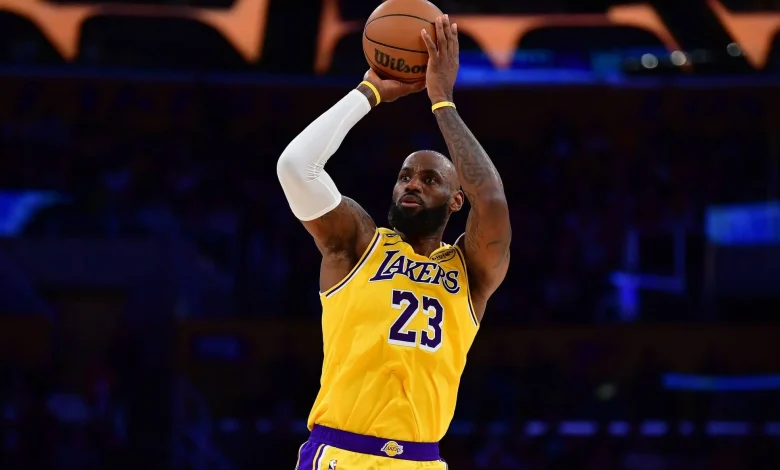
Individual matchups will determine which team can force its preferred script. Paolo Banchero is averaging 22. 3 points, 8. 5 rebounds and 5. 0 assists, and Jalen Suggs is averaging 13. 8 points, 3. 8 rebounds and 5. 2 assists — numbers that underline Orlando’s reliance on its primary creators to sustain offense, especially with Wagner out. For the Lakers, Luka Doncic averages 33. 4 points, 7. 9 rebounds and 8. 4 assists while LeBron James averages 21. 3 points, 5. 8 rebounds and 6. 9 assists; that tandem creates a closing gap the Magic must navigate.
Matchup x-factors include interior control and spacing. Deandre Ayton’s efficient finishing (12. 4 points, 8. 2 rebounds, 66. 9% from the field) positions him as Los Angeles’s on-paper interior answer to Orlando’s physical game and second-chance plans. Rui Hachimura provides spacing as a complementary piece. If Ayton controls the glass and converts efficiently on short rolls and dump-offs, he can blunt the Magic’s home-court plan of making the game a physical grind.
From an analytical vantage, the Magic’s formula is clear: make the game physical, get to the line, keep ball movement steady (Orlando averages 26. 4 assists and a 99. 53 pace) and limit the Lakers’ three-point efficiency. The first meeting offers a blueprint: the Magic held Los Angeles to 24. 1% from three and got 36 points from Banchero en route to a one-point win. Conversely, the Lakers’ elite offensive efficiency and high field-goal percentage mean they can score even when the tempo slows.
Expert perspectives derived from roster roles emphasize those dynamics. Paolo Banchero, player, Orlando Magic, is the central offensive burden for his team in Wagner’s absence. Luka Doncic, player, Los Angeles Lakers, represents the primary late-game creation engine. Deandre Ayton, player, Los Angeles Lakers, is the interior matchup to watch on rebounds and finishing. These named figures encapsulate the tactical levers each side can pull without introducing new claims beyond their statistical footprints.
With rotations affected by injuries and the stylistic contrast between a free-throw-seeking Magic and an efficient Lakers offense, the margin for late-game execution will be slim. The Magic vs Lakers matchup will likely turn on whether Orlando can sustain physicality and limit open perimeter looks, and whether Los Angeles can convert paint touches and control second chances.
As both teams prepare for the 7: 00 p. m. ET tipoff, the overarching question remains: will the Magic’s home blueprint — physical defense, trips to the foul line and organized ball movement — be enough to offset the Lakers’ superior offensive efficiency and late-game creation in what promises to be a close rematch?