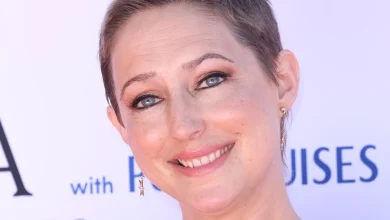
Vanessa Paradis creates her album before our eyes — an intimate return captured on film

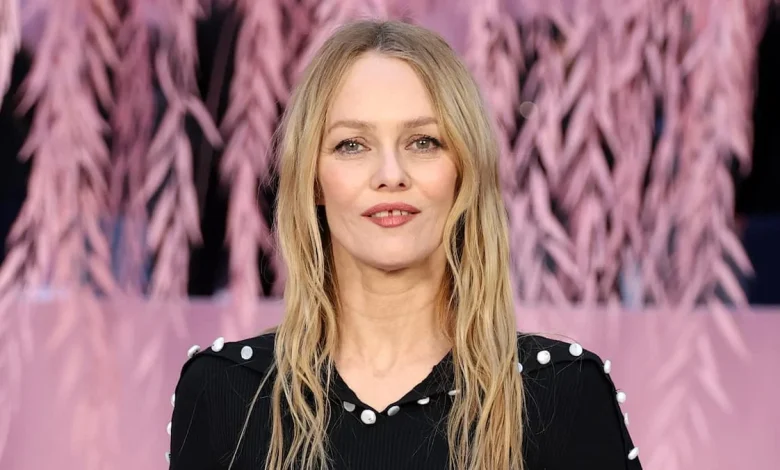
In the opening frames of the documentary, vanessa paradis moves through a small Parisian room as if following a trail of sound: she hums a phrase, checks a melody on a battered piano, then walks out to a courtyard where a guitar waits. That sequence, simple and immediate, is the first invitation to watch an artist rebuild a record before the camera over two years.
Vanessa Paradis at work: scenes from home, studio and stage
The film by director Julien Peultier follows the singer-songwriter in three everyday settings: at home, in a recording studio and in a performance space. Cameras catch the casual moments — vanessa paradis arriving at the studio with a buoyant energy, listening closely as a flutist takes flight — and the more formal ones, when ideas are moved from notebook sketches into multi-instrument arrangements. The documentary makes process visible, showing how familiar rooms and rehearsal halls become sites of invention.
How did the album come together?
The story of the record is collaborative at its core. After a seven-year absence from new discs, vanessa paradis returned with her eighth album, Le retour des beaux jours. Peultier’s film shows the partnership between Paradis, longtime friend and collaborator Etienne Daho and the later-arriving Jean-Louis Piérot. The three developed an organic approach to the dozen songs: meeting at Etienne’s with a guitar, a keyboard and a computer, they spent eight or nine months shaping pieces that ranged from embryonic sketches to nearly finished songs that Paradis had carried for several years.
When the group moved into the Motorbass recording studio in Paris, the creative spark widened into fuller arrangements. Experienced musicians joined the sessions — drummer Colin Russeil, trumpeters Adélaïde Songeons and Erik Truffaz, and flutist Margot Mayette among them — and each contributor added a distinct color. The resulting tracks draw on jazz and folk textures, and they nod to the soul of the 1960s and the hip-hop sounds of the 1990s that influenced Paradis’s early years. The film captures both the exhilaration of collective invention and the exacting work of deciding what stays on the record, with instrument-by-instrument, track-by-track debates and choices that sometimes create tense moments.
What does the documentary reveal about the final touches?
Peultier follows the team as they confront the hard part of finishing an album: selection and refinement. The sessions reveal a creative give-and-take in which vanessa paradis does not shy from asserting a veto when she feels it necessary, and where disagreements — described in the film as often serene — push the project to higher standards. The filmmakers also document a later leg of the process in London, where Jean-Louis Piérot invites Paradis to record part of the album at Abbey Road. The documentary lingers on small details: Paradis at a piano once used by John Lennon, the visible cigarette burns on a keybed, and a brief, wordless moment when a string ensemble enters to add another layer to a song.
The portrait that emerges is of collective craftsmanship. Musicians are given space to leave their mark, and Paradis’s leadership balances openness with careful curation. The result, as shown on screen, is an album assembled through persistence, play and exacting choices.
Back in the opening courtyard scene, the same melody returns, now shaded by the knowledge of the long process behind it. The documentary invites viewers to witness how a beloved artist remakes herself and her music, and it leaves the audience with the sense that vanessa paradis has not only returned to recording but has done so by inviting us into the very act of creation.