Nowruz Brings Central Asia’s Spring Rituals to the UN and Seoul — A Diplomatic Moment with Deep Roots

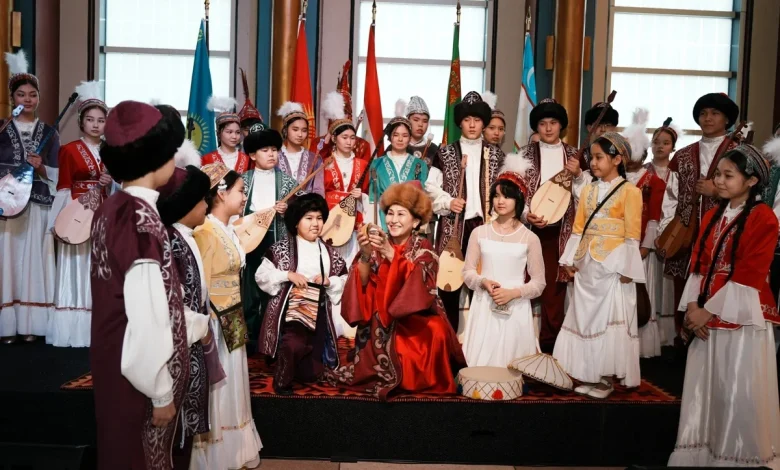
In a wood-paneled reception room at United Nations Headquarters, delegates exchanged handshakes over platters of Central Asian sweets and the bright, plucked notes of a komuz floated across the hall — a scene staged to celebrate nowruz and the cultures that sustain it. The gathering drew Permanent Missions from across Central Asia, diplomats from member states and representatives of the UN Secretariat into a single room to mark the spring festival.
What is Nowruz and why does it matter?
Nowruz, rendered in some reports as Nooruz at another reception, is described as a celebration of renewal and the start of a new year. The festival was celebrated on March 21 this year and has been recognized as part of the intangible cultural heritage of humanity by UNESCO; the United Nations established the International Day of Nowruz in 2010. Organizers and envoys from Kazakhstan, Kyrgyzstan, Tajikistan, Turkmenistan and Uzbekistan emphasized the festival’s role as a symbol of peace, cultural solidarity and regional identity.
How did diplomats and cultural officials mark the spring festival at the UN and in Korea?
At the United Nations event on March 18, 2026, the Permanent Mission of the Kyrgyz Republic, joined by the Permanent Missions of Kazakhstan, Tajikistan, Turkmenistan and Uzbekistan, hosted a gala reception to celebrate Nooruz. Edil Baisalov, Deputy Chairman of the Cabinet of Ministers, served as guest of honor and noted the holiday’s unifying significance for the peoples of Central Asia and the importance of strengthening friendship, mutual understanding and regional cooperation. Permanent Representatives delivered welcoming remarks that framed Nooruz as a symbol of peace, good-neighborliness and sustainable development.
Guests included representatives of UN member states, members of the UN Secretariat, international organizations and the diplomatic corps. A musical program featured komuz performances and traditional Central Asian dishes were served, creating a warm atmosphere that organizers described as further evidence of strengthening regional partnerships and cultural dialogue in the international arena. Separately, with support from the Embassy of the Republic of Kazakhstan in Slovenia, a festive concert celebrating art and friendship was held in Ljubljana.
In Seoul, the Korea–Central Asia Secretariat and five Central Asian nations highlighted the cultural heritage of Nowruz as a point of connection between Korea and Central Asia. Choi Bo-geun, vice administrator of the Korea Heritage Service, inaugurated a book on the ancient spring festival and recalled the depiction of a Goguryeo envoy in the Afrasiab murals of Samarkand. The 11-meter mural discovered at Afrasiab Palace in Samarkand includes two envoys whose feathered hats confirm Korean origin, a detail Choi used to illustrate historical exchange along the Silk Road. Rhee Jong Kook, executive director of the Korea-Central Asia Cooperation Forum Secretariat, described Nowruz as one of the most significant cultural heritages representing Central Asia and said the new book offers comprehensive insights into its history, traditions and living practices.
What diplomatic steps and cultural initiatives followed these celebrations?
Officials framed festival events as more than ceremony. Ambassadors from Kazakhstan, Kyrgyzstan, Tajikistan, Turkmenistan and Uzbekistan used the gatherings to praise Nowruz as a symbol of renewal, harmony and cultural solidarity. Kazakh Ambassador Nurgali Arystanov emphasized the festival’s role in fostering regional cooperation. Kyrgyz Ambassador Aida Ismailova highlighted its role in transmitting cultural and spiritual values across generations. Tajik Ambassador Kirom Salohiddin stressed Nowruz’s importance in reinforcing moral and societal foundations. Turkmen Ambassador Begench Durdiyev described traditional elements such as the Ak Oy felt-covered yurt, folk music and springtime rituals. Uzbek Ambassador Alisher Abdusalomov called Nowruz a symbol of hope, renewal and resilience.
Co-hosts in Seoul included UNESCO’s International Information and Networking Center for Intangible Cultural Heritage in the Asia-Pacific Region, the Central Asian embassies in Korea and the Korea–Central Asia Cooperation Forum Secretariat. Choi Bo-geun linked cultural exchange to diplomacy when he said, “Based on this foundation, the Korea–Central Asia Summit in September will elevate cooperation between our regions to the next level. ” The summit is scheduled for September 2026 in Seoul and was cited as the next formal step to translate cultural dialogue into broader cooperation.
Back at the UN reception, as the last notes of the komuz faded and diplomats lingered over tea, the simplicity of the table settings — handcrafted textiles, bowls of seasonal fare — underscored a recurring message: shared rituals can be a practical platform for building trust. For guests who had begun the evening as counterparts from different capitals, the celebration of nowruz had already served its diplomatic purpose — moving exchange from formal statements to shared culture and, officials hope, to deeper cooperation in the months ahead.