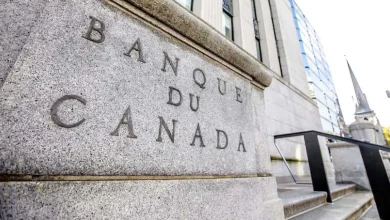
Fixed mortgage rates have jumped: insured five-year fixed mortgage rates moved from about 3. 9 per cent to roughly 4. 2 per cent as five-year bond yields climbed by around 40 basis points at their peak, and mortgage rates now sit linked to a volatile oil and bond market. This shift is reframing refinancing decisions and locking many borrowers into existing loans.
Why Mortgage Rates climbed after the Iran conflict
Verified facts: Dan Eisner, CEO of True North Mortgage, said insured five-year fixed mortgage rates went from around 3. 9 per cent to 4. 2 per cent as the Bank of Canada’s five-year bond yield increased by about 40 basis points at its peak. Eisner identified a clear chain: escalation of the U. S. -Israel and Iran conflict pushed oil prices higher, which in turn made investors nervous about future inflation and drove bond yields up. Most fixed-rate mortgages are tied to the five-year bond yield; when that yield rises, fixed mortgage interest rises in step.
Analysis: The immediate transmission mechanism is straightforward and confirmed by market actors named above. Oil-price volatility has translated into higher expected inflation in investor pricing, raising yields that feed directly into fixed-rate mortgages. That makes fixed products more expensive even if central-bank key rates remain unchanged for the moment.
Who is exposed, who can still breathe — and what the numbers say
Verified facts: The lowest variable-rate mortgage cited is 3. 35 per cent and has not changed since the Bank of Canada lowered its key interest rate to 2. 25 per cent, Penelope Graham, mortgage expert at Ratehub. ca, noted. Inflation in Canada was 1. 8 per cent in February, below the two per cent target the Bank of Canada uses to judge the need for a key-rate hike. The Bank of Canada is widely expected to keep its key interest rate unchanged at its upcoming announcement, a stance Graham characterized as a wait-and-see approach given the war-driven uncertainty in oil prices.
Verified facts from the U. S. mortgage space: Zillow data shows the current average refinance rate on a 30-year, fixed-rate home loan is 6. 45 per cent. Mortgage rates for 30-year fixed loans have remained near the 7 per cent mark nationwide even after Federal Reserve cuts to the federal funds rate in late 2024. As of the third quarter of 2024, a Redfin report found 82. 8 per cent of homeowners with mortgages had rates below 6 per cent, leaving many effectively locked into older, lower-rate loans.
Analysis: There is a divergence in exposure. Borrowers on variable-rate products remain tied to central-bank policy; with the Bank of Canada holding its key rate and variable lows unchanged, those borrowers face relative stability. Owners seeking to refinance or lock a long-term fixed rate confront a market where fixed yields have risen because bond markets are pricing risk from oil and geopolitics rather than immediate central-bank moves. For U. S. borrowers, higher average refi rates and a large share of homeowners carrying sub-6 per cent mortgages reduce refinancing activity, slowing mobility and credit-market adjustment.
What consumers and policymakers should demand next
Verified facts: Eisner noted that strategic oil reserves are being used and that additional releases could keep interest rates elevated but steady; he warned that if oil prices surge substantially higher then bond yields would increase further. Graham emphasized that central banks in Canada and the United States appear to be taking a wait-and-see approach to the war’s effects on inflation and key rates.
Analysis: The interaction between geopolitics, commodity markets and bond investors has created a new constraint on borrowing costs that is separate from short-term central-bank decisions. Consumers weighing refinancing must compare fixed offers now tied to elevated bond yields against the possibility that central banks will not hike if inflation remains below targets. Policymakers should be prepared to explain how strategic commodity actions and communications with markets will intersect with monetary policy, because the transmission from oil-price shocks to mortgage rates is direct and tangible.
Accountability call: Publish the models and assumptions central banks and major mortgage insurers use to link bond yields and insured fixed mortgages; provide scenario analyses showing outcomes if oil prices stabilize near current levels or spike toward substantially higher thresholds. Clear public projections would let borrowers and lenders make informed choices rather than react to market noise.
Final note: The immediate reality is that mortgage rates for many fixed products have risen materially since the Iran conflict began, and with bond markets now keyed to oil-price risk, fixed mortgage rates are likely to remain elevated while uncertainty persists.