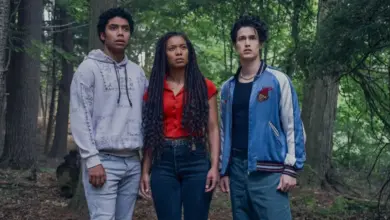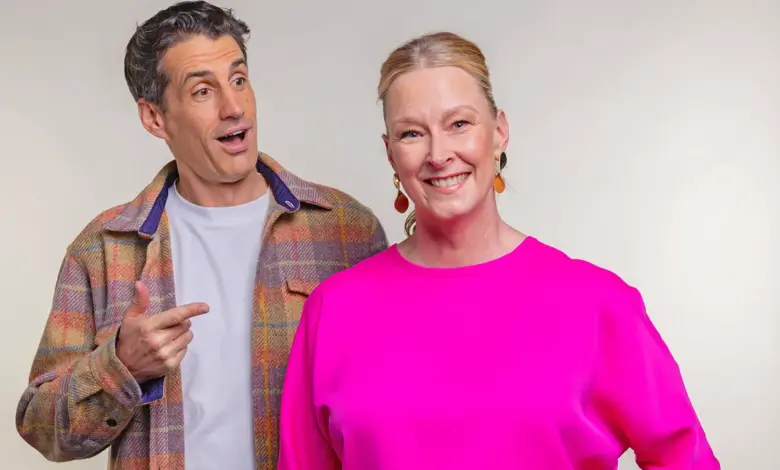
In the assembly, the questions land without the usual polish of celebrity television, and that is exactly why Andy Lee’s appearance stands out. He arrives as one half of a famous comedy duo, but the episode gives him room to speak with a different kind of openness, and to let the students steer the conversation.
What makes The Assembly feel different?
The third season of the assembly brings back students from earlier seasons and introduces six new celebrities to their questions. Host Leigh Sales says she especially loves Andy’s episode, describing how he connected with the students and brought a strong personal presence to the exchange.
That connection matters because the format is built around direct conversation rather than performance. The students ask what they want to know, and the answers can move from professional uncertainty to private family memory in a single exchange. In Andy’s case, the result is an interview that feels less like a promotional stop and more like a real conversation shaped by curiosity and trust.
How does Andy Lee speak about life beyond comedy?
One of the most revealing moments comes when Chau asks Andy about his working relationship with Hamish Blake. Andy reflects on the pressure of being part of such a well-known duo and admits he has wondered whether he would still matter on his own. He speaks plainly about fearing, at times, that he might not be “good enough” without the partnership.
That admission gives the episode its emotional weight. It is not framed as a dramatic confession, but as a careful, honest answer to a question the students put directly to him. The exchange shows how the assembly can create space for public figures to talk about insecurity in a way that feels grounded rather than polished.
Why did it take so long for Andy Lee to propose to Bec Harding?
When Abbey asks why it took “forever” to propose to Bec Harding, Andy answers with the same frankness. He says he knew she was “the one” early on, but it still took time before he felt the moment was right to get married. The question is personal, but the answer stays measured, which fits the tone of the episode.
For viewers, the value is not in gossip but in the human reality behind a familiar public image. The exchange turns a headline-friendly question into something more reflective: how people decide when they are ready, even when they already know what they want.
What other parts of his story does The Assembly bring out?
The episode also reaches into Andy’s family life. Mitch asks about the period when Andy’s mother was diagnosed with cerebral vasculitis in 1996 and was given just two weeks to live. Andy says she survived, but the experience clearly left a mark. Leigh says the material about his mother, particularly during his teenage years, was deeply affecting.
There is also a lighter but meaningful thread when Evie and Anastasia ask about Andy’s children’s series Do Not Watch This Show. Both students are interested in animation and voice acting, and the episode later returns to them with a follow-up filmed one month later at the studio where the series is made. Leigh says Andy personally bent over backwards to make that happen, and that the students would have loved it.
What does The Assembly offer beyond a celebrity interview?
the assembly works because it gives time to voices that are often treated as secondary in mainstream television. The students are not background figures; they shape the conversation, and the questions they ask lead Andy into subjects that are intimate, thoughtful, and sometimes uncomfortable. That structure is what makes the series resonate beyond any single episode.
The broader effect is simple but important: a familiar public figure is seen listening as much as speaking. In Andy’s episode, that means the audience gets humor, honesty, and vulnerability in equal measure. It also means the students’ curiosity is not a device; it is the point. By the end, the studio visit and the follow-up do more than close a segment. They leave the scene with a sense that the conversation has carried into real life, where access, attention, and kindness still matter.
Image suggestion: Andy Lee speaking with the students on The Assembly during a candid interview session.