Icloud revelations deepen the D4vd case: 40 terabytes, a judge’s deadline, and a widening evidence fight

The icloud account at the center of the D4vd case has turned a murder prosecution into something even larger: a fight over digital evidence, discovery speed, and what investigators say they have found across phones, warrants, and forensic records. In court on Thursday, prosecutors said the singer had a “significant amount” of images depicting child sex abuse on his phone and account while police were investigating the death of 14-year-old Celeste Rivas Hernandez. The claim adds a new layer to a case already driven by accusations of murder, continuous sexual abuse of a child, and mutilation of remains.
Why the iCloud evidence matters now
The timing matters because the case has moved quickly since D4vd, whose legal name is David Anthony Burke, was arrested and charged. Prosecutors say the images were uncovered through search warrants during an investigation into how Rivas Hernandez died and ended up in the singer’s Tesla. They also say investigators have assembled about 40 terabytes of digital and forensic material, a volume that has slowed the process of sharing evidence with the defense.
That scale matters for more than logistics. In a case this sensitive, a digital record can shape the entire courtroom narrative. Prosecutors are not only trying to prove what happened to Rivas Hernandez; they are also trying to connect that evidence to the broader allegation that Burke repeatedly sexually abused the teen before killing her. Burke has pleaded not guilty, and his attorneys say they will vigorously defend his innocence.
What prosecutors say the record shows
Los Angeles County District Attorney Nathan Hochman and Los Angeles Police Chief Jim McDonnell have said investigators recovered and analyzed substantial digital and forensic evidence. Prosecutor Beth Silverman told the court that the images were found after search warrants were executed on Burke’s phone and icloud storage. She also said the prosecution cannot simply hand over sensitive material in the ordinary way, given the nature of what was seized.
The case has already produced major claims: that Rivas Hernandez was last seen at Burke’s Hollywood Hills home, that her body was found months later in a black zipper bag in the front trunk of his Tesla, and that the medical examiner determined she died from penetrating injuries. Prosecutors have also said they believe the killing was intended to protect Burke’s music career and prevent her from reporting the relationship.
What remains uncertain is how much of the digital material will become public before the next hearing. A judge has set proceedings for next week, and Burke’s defense has pushed for a fast preliminary hearing. That unusual move could force the prosecution to show more of its case sooner than it might prefer. In practical terms, the icloud evidence may become one of the first major windows into how prosecutors intend to link the digital record to the murder charges.
Defense pressure, courtroom timing, and the evidence fight
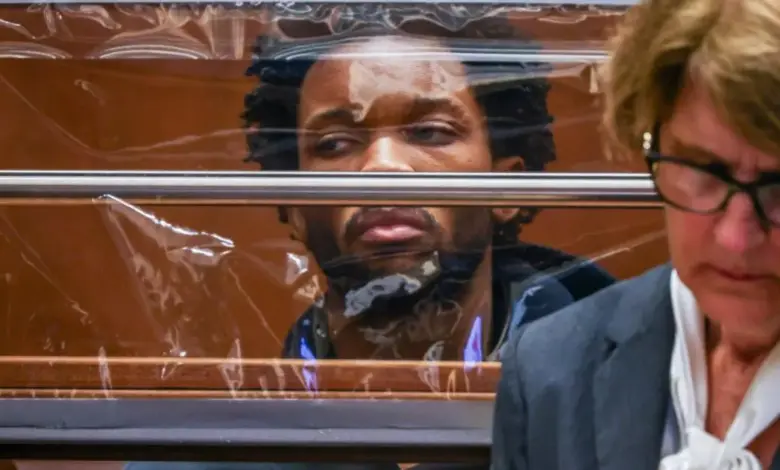
The defense position has been consistent: Burke is innocent, and the evidence will show he did not kill Celeste. But the pace of the case has created its own pressure. Burke appeared in court in an orange jail jumpsuit, while his legal team pressed for a preliminary hearing within the standard 10-business-day window. That request is unusual, but it could force a public test of the prosecution’s theory much earlier than expected.
Former Los Angeles County prosecutor Joshua Ritter said the defense may be trying to pressure-test the case, but he noted that the prosecution has had time to build it. The judge, Charlaine Olmedo, warned that the defense may not have access to the full collection of evidence before May 1 if the hearing moves ahead immediately. That warning underlines the central tension: the defense wants speed, while the prosecution says the evidence load is too large and too sensitive to move instantly.
Broader impact in Los Angeles and beyond
This case is not unfolding in isolation. It sits at the intersection of celebrity, digital forensics, and allegations involving a minor. The public stakes are high because the evidence described by prosecutors spans phone content, icloud storage, search warrants, witness testimony, and grand jury hearings. The more digital material is introduced, the more the case may become a test of how modern criminal prosecutions handle enormous quantities of private data.
For Rivas Hernandez’s family, the issue remains much simpler and more painful. Her parents, Jesus Rivas and Mercedes Martinez, have called for justice and described her as a loving daughter who enjoyed singing, dancing, and family movie nights. Their statement brought the case back to its most human level, even as the legal machinery around it expanded. The next hearing may not settle the case, but it could reveal how much of the prosecution’s digital trail is ready to be tested in open court.
And if the icloud material becomes public in stages, how much more will it change the way this case is understood before a jury ever hears it?