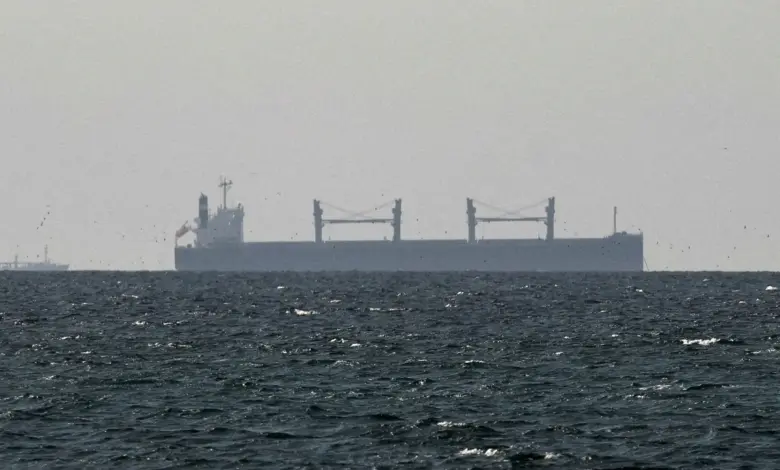
The oil tanker Tifani was boarded overnight in the Indian Ocean, and the timing sharpened every concern already hanging over the ceasefire between the United States and Iran. The vessel’s detention, tied to sanctions for smuggling Iranian crude, turned a maritime operation into a diplomatic test.
What happened to the oil tanker Tifani?
The United States Department of Defense said US forces conducted a right-of-visit boarding of the stateless sanctioned M/T Tifani without incident in the area overseen by Indo-Pacific Command. The Pentagon said the action was meant to disrupt illicit networks and intercept sanctioned vessels providing material support to Iran, wherever they operate.
An unnamed US defense official said the tanker was captured in the Bay of Bengal between India and Southeast Asia and was carrying Iranian oil. The exact location of the operation was not made public. The military will decide in the coming days what to do with the vessel, including whether to tow it back to the United States or transfer it to another country.
Why does the oil tanker case matter beyond one ship?
The detention of the oil tanker matters because it landed just as a two-week ceasefire between the United States and Iran was close to expiring and renewed talks stood on uncertain ground. The operation fits a broader US effort to stop Tehran-linked vessels, while Iran’s side has framed such actions as aggressive.
Tehran’s Ministry of Foreign Affairs said on state television that Iran had not yet decided whether to attend a second round of negotiations in Pakistan. The ministry described the boarding of the tanker, along with an earlier seizure of a cargo ship, as piracy at sea and state terrorism. That response shows how a single maritime detention can spill into already fragile diplomacy.
The tanker’s reported route adds to the pressure. Intelligence firm Vanguard Tech identified the Tifani as Botswana-flagged. Maritime tracking data showed its signal last detected halfway between Sri Lanka and the Strait of Malacca, with a course toward Singapore. An AFP report citing Kpler said the vessel loaded about 2 million barrels of crude on Iran’s Kharg Island on April 5 and passed through the Strait of Hormuz on April 9. The same report said the Tifani had made repeated ship-to-ship oil transfers off Singapore and Malaysia in recent years and traveled multiple times between that area and destinations including Iran and China.
What do the latest signals from Washington and Tehran suggest?
President Donald Trump has said the blockade on Iran will continue until there is a deal to end the war. At the same time, maritime data firm Lloyd’s List Intelligence said at least 26 ships from Iran’s ghost fleet had circumvented the US blockade since it was imposed last week. That figure suggests enforcement is active, but not airtight.
The clash now sits between two pressures: Washington’s effort to choke off sanctioned shipments and Tehran’s insistence that such moves amount to coercion. The result is uncertainty not only for the Tifani but for any vessel moving through a contested corridor between the Indian Ocean and Southeast Asia.
For crews, shipowners, and officials watching the next move, the scene is stark: helicopters above a bright orange tanker, a boarded deck, and no immediate clarity on what comes next. The oil tanker Tifani is now more than a ship under detention; it is a measure of how fragile the ceasefire has become.