In the middle of a widening standoff, iran us war news is being shaped by a simple but high-stakes message from Tehran: no talks under threat. That refusal now sits beside Donald Trump’s pledge to keep the blockade of Iranian ports in place, turning diplomacy into a contest of pressure, endurance and timing.
What is driving the latest Iran Us War News?
The immediate dispute is over whether negotiations can continue at all. Iran says it will not accept talks “under the shadow of threats, ” while the U. S. president says the blockade will remain. That combination has narrowed the room for compromise and left both sides speaking in the language of leverage rather than trust.
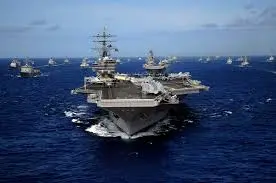
The tension has also made the maritime front central to the crisis. U. S. forces boarded the sanctioned tanker M/T Tifani overnight in the Asia Pacific region in an effort to disrupt vessels providing support to Iran. The Pentagon said it would continue global maritime enforcement efforts to interdict sanctioned vessels and disrupt illicit networks wherever they operate.
This is why iran us war news is no longer only about formal negotiations. It is now about ports, shipping lanes, and the practical cost of keeping trade and movement open when both sides are testing each other’s boundaries.
Why does the blockade matter beyond the two capitals?
Iranian negotiators have reportedly said there will be no further talks unless the blockade of Iranian ports ends. On the other side, the U. S. position has stayed firm. That leaves the Strait of Hormuz at the center of a broader economic threat, with Qatar warning that a prolonged disruption would stop being a regional issue and become a global one.
European officials are also sounding the alarm. Apostolos Tzitzikostas, the European Union transport commissioner, warned that the consequences for Europe and the world would be catastrophic if freedom of navigation through the Strait of Hormuz is not restored. He said the bloc is working to identify alternative sources of jet fuel, including from the United States, while stressing there is no indication yet of widespread flight cancellations in the coming weeks or months.
The pressure is already visible in Europe’s airports, where severe jet fuel shortages are being watched closely. That makes the dispute more than a distant political confrontation. It is becoming a test of how quickly supply chains and transport systems can absorb another shock.
How are leaders framing the danger?
Iran’s president, Masoud Pezeshkian, has tried to lower the temperature. He said war is not in anyone’s interest and that every rational and diplomatic path should be used to reduce tensions, while also stressing distrust of the enemy and vigilance in interactions. That message reflects the tightrope Tehran is walking: rejecting pressure while avoiding a direct slide into wider conflict.
China has also weighed in, with President Xi Jinping saying his country is willing to work with African countries on the spillover effects of the war and urging a ceasefire and genuine multilateralism. In a separate thread, Qatar has voiced support for Pakistan’s initiative to bring Iran and the U. S. to the negotiating table, while making clear it is not mediating this time.
For ordinary people, the stakes are concrete. In Lebanon, President Aoun described diplomacy as “war without blood” and said negotiations should not mean surrender. His comments came as the region continues to absorb the consequences of overlapping crises, from cross-border tensions to the fear that a single miscalculation could spread beyond one front.
What happens next if the stand-off continues?
At this stage, the path forward remains uncertain. Iran says it will not move under threats. The U. S. says the blockade will stay. Qatar is urging de-escalation. Europe is preparing for possible transport and fuel pressure. China is calling for a ceasefire. The result is a fragile moment in which every statement is also a signal of resolve.
Back at the docks and on the shipping routes, the same question lingers: whether pressure will force a new round of diplomacy, or whether the standoff will deepen before any side is willing to bend. For now, iran us war news remains defined by that unresolved gap between public defiance and private calculation.