Michael: 3 early reactions to the King of Pop biopic as debate turns to what it leaves out

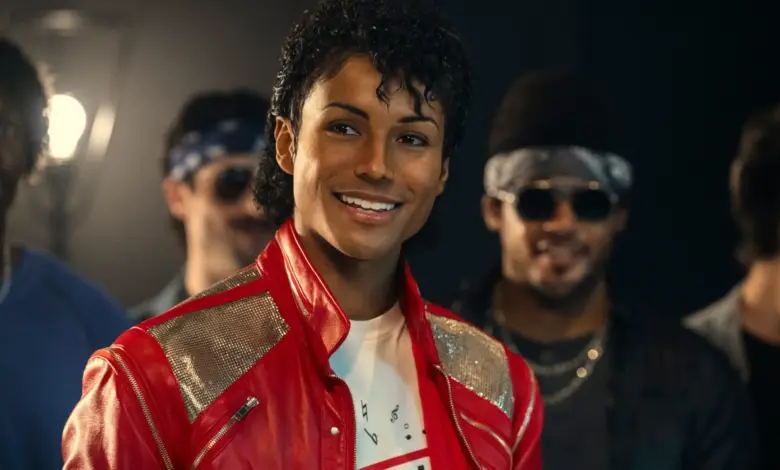
The first wave of reaction to michael has arrived, and it centers on a familiar tension: a movie can look and sound big while still feeling emotionally sealed off. After the Los Angeles premiere, the conversation has shifted less toward spectacle and more toward what kind of story this biopic is willing to tell. That matters because the film is not just opening a chapter on Michael Jackson’s rise; it is also reopening a debate about how much of his life can be shown when the project is built around authorization, music rights, and family approval.
Why Michael is drawing attention now
The Antoine Fuqua-directed film had its world premiere in Berlin on April 10, then held a star-studded U. S. premiere in Los Angeles on Monday night. Full critics reviews are set to arrive on April 22, with theaters worldwide following on April 24. That timing has made the first reactions especially important, because they are shaping expectations before the broader review cycle begins. The film is the first official biopic of Michael Jackson and traces his path from early Motown days with the Jackson 5 to his breakout as a solo artist. At the same time, the project’s narrow frame is already the dominant story around michael.
The film has the rights to use Jackson’s music and is produced by Graham King, whose earlier music biopic became a major global box-office success. That combination gives michael commercial force, but it also explains why the film is being read as a carefully managed portrait rather than a full accounting.
A controlled portrait with obvious limits
One of the clearest themes across the early reaction is that the movie emphasizes performance over psychology. It follows Jackson through his transformation from a boy performing with his brothers into a solo star, but the film’s structure appears designed to keep the focus on momentum, music, and family conflict rather than deeper complication. That has produced sharply different takes: one reaction praised Jaafar Jackson as “tremendous” and said he was convincing enough to make the viewer forget he was not the real thing, while also calling the rest of the movie generic and emotionally thin.
Another early response was far harsher, describing the movie as boring and one-note, with the complaint that it plays more like a familiar celebrity journey than a revealing drama. A third reaction argued that the film can feel like a fantasy version of Jackson’s life, one that celebrates the highs while skipping the lows. Taken together, those assessments suggest that michael is landing as a showcase for impersonation and performance, not as a searching biography.
What the film leaves out shapes the debate
The most consequential issue is not what the film includes, but what it leaves outside the frame. The story reportedly ends before the flood of sexual abuse allegations and does not directly address Jackson’s own acknowledgment of sleeping alongside children. That omission is central to understanding why the movie is being described as sanitized and tension-free. The film is also said to have originally included scenes dealing with the allegations, but those were removed because of stipulations in an earlier settlement.
That context matters because it changes how the film’s ambition should be judged. It is not simply choosing a stylistic angle; it is operating within a set of boundaries that make certain subjects unavailable. In that sense, michael may be less a biography than an authorized reconstruction of public memory, built to preserve the music and the mythology while avoiding the most disputed parts of the record.
Industry stakes and the broader impact
There is also a wider industry lesson here. Authorized music biographies often depend on access to catalogs, estates, and family participation, but that access can come with creative trade-offs. In this case, the cast includes multiple family members, and the film’s producers include Jackson’s executors. That makes the project unusually close to the estate’s version of events, which may help explain why the movie has been framed as respectful but also constrained.
For audiences, the question is whether nostalgia is enough. Early reaction suggests that viewers may be willing to accept the film as a grand performance piece, especially when the music is doing so much of the emotional work. But that same reliance on spectacle may limit its staying power. If a biopic about one of pop’s most scrutinized figures cannot confront contradiction, it risks becoming a museum display rather than a drama. That is the tension at the center of michael.
Expert perspectives and the road ahead
From the information now in play, the film’s strongest asset is clear: Jaafar Jackson’s performance. Its biggest vulnerability is equally clear: a story that may be too protected to feel alive. The coming reviews will test whether early praise for the lead can outweigh criticism of the film’s emotional distance and selective framing. If the broader critical response follows the first reactions, michael could become a debate not only about Jackson’s legacy, but also about how far an authorized biopic can go before it stops feeling like a biography altogether.
That raises the question that will likely define the film’s reception: can a movie built to preserve a legend also reveal the human being behind it?