Donald Trump’s rejection of a longer iran war ceasefire has turned an already fragile moment into a deadline-driven showdown. The temporary pause in fighting is set to expire by the end of Wednesday, while a second round of talks in Pakistan remains uncertain. Trump’s remarks suggest Washington is willing to let the truce run out if no agreement is reached, even as Iran has not confirmed whether it will attend. That combination of pressure, ambiguity, and military posturing has made the next move far more consequential than a routine negotiating round.
Ceasefire deadline raises the diplomatic stakes
Trump said he did not want to extend the truce to create more time for negotiations, insisting that Iranian representatives must show up and accept what he called a “great” deal. His comments were made during an interview on Tuesday and immediately sharpened the sense that the window for diplomacy is closing fast. In practical terms, the iran war ceasefire has become less a stabilising pause than a test of whether both sides can sustain even limited contact under pressure.
The uncertainty matters because the talks in Pakistan are tied directly to the ceasefire timeline. Trump predicted that a deal was still possible, but his language also carried a warning: the parties do not have much time. Iran, for its part, has not publicly committed to attending. That leaves the negotiations suspended between expectation and refusal, with no firm confirmation from either side that the meeting will actually take place.
Hormuz blockade and port closures deepen the crisis
Beyond the talks themselves, the blockade around Iranian ports and the closure of the Strait of Hormuz are driving the conflict into the wider regional economy. Trump said the United States would not lift the blockade until a deal is reached. Iran has maintained its own closure of the strait as leverage, linking the issue to the broader truce and to the Israeli bombardment of Lebanon.
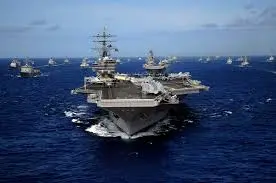
That exchange has already produced direct consequences. US forces have ordered vessels to turn around or return to Iranian ports, and at least one Iranian-flagged ship has been seized. Iran has described that move as piracy and warned that the United States would bear full responsibility for further escalation. In this setting, the iran war ceasefire is under strain not only from battlefield threats, but from competing efforts to control maritime access and political leverage.
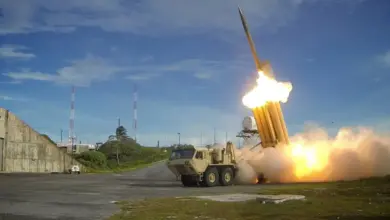
The result is a conflict dynamic in which each side appears to be using the same pressure points: ports, shipping routes, and the threat of renewed force. Trump said the US military is “totally loaded up” to resume the war. That statement is significant not because it signals an immediate attack, but because it keeps military escalation visible while diplomacy remains unresolved.
What the latest statements reveal about negotiating leverage
The core issue is leverage. Trump framed the talks as a moment where Iran has “no choice” but to engage and make a deal, arguing that the United States has already severely weakened Iranian military capabilities. He claimed Washington had taken out Iran’s navy, air force, and leaders. Iran has rejected that tone, saying it will not negotiate under threat.
This is where the political meaning of the iran war ceasefire becomes clearer. The ceasefire is not being treated as a settled peace arrangement, but as a temporary condition that each side is using to improve its bargaining position. Trump’s refusal to extend it suggests he believes time is on Washington’s side. Iran’s noncommittal posture suggests it is not prepared to accept talks on those terms.
That tension also explains why the ceasefire has remained fragile even before its formal expiry. It has already been disrupted by disputes over the Strait of Hormuz and by developments tied to Lebanon. In other words, the truce is being tested by issues that extend well beyond a single front, making it vulnerable to rapid breakdown if the next round of talks fails to materialise.
Expert and institutional signals point to a narrow window
Institutional signals underline how narrow that window is. US Central Command said 27 vessels have been directed to turn around or return to an Iranian port since the blockade began. That figure shows the blockade is not symbolic; it is actively shaping maritime traffic. On the other side, Iran’s Ministry of Foreign Affairs has warned that the United States will bear responsibility for any dangerous escalation and said Iran will use all available means to defend its sovereignty and protect its citizens.
From an editorial standpoint, the most important development is not just whether talks happen, but whether both sides still see value in keeping the ceasefire alive long enough for them to begin. Trump’s comments indicate he wants a rapid decision. Iran’s hesitation suggests it wants better terms or clearer assurances. The space between those positions is where the risk sits.
Regional and global consequences extend beyond the battlefield
The dispute carries wider consequences because the Strait of Hormuz is a key shipping route and has already affected global energy prices. That means the stakes are not limited to US-Iran relations or to the ceasefire itself. Any fresh disruption could feed into shipping costs, energy markets, and broader regional instability. The blockade, the vessel seizures, and the rhetoric around military readiness all point to a conflict that can spread through trade as quickly as it does through politics.
For Pakistan, the proposed venue for the talks, the immediate issue is security and uncertainty. Tightened security in the capital signals how sensitive the meeting has become. Yet the bigger story is that the iran war ceasefire now depends on whether diplomacy can survive a climate of mutual threats, maritime confrontation, and unresolved attendance. If neither side shifts, what remains of the ceasefire after Wednesday?”