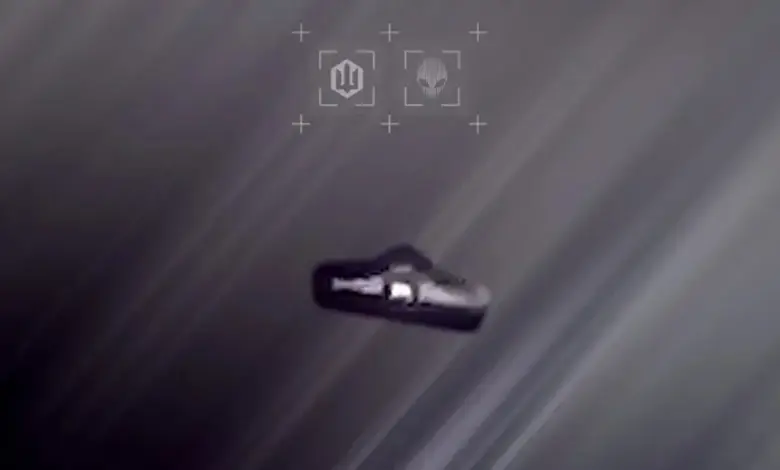
Shahed drones are now part of a more complex defense picture, after Ukraine’s Unmanned Systems Forces said one was intercepted from an unmanned surface platform for the first time. The moment matters because it points to a widening integration between maritime and aerial unmanned systems, not just a single battlefield success.
What Happens When Sea and Air Systems Work Together?
The stated operation was carried out by operators from the unmanned surface systems division of the 412th Nemesis Brigade in the maritime operational zone. The target was a Shahed-type strike UAV, and the interceptor was launched from an unmanned surface platform. The Unmanned Systems Forces described the event as a new level of integration between maritime and aerial unmanned capabilities.
That framing is important. It suggests the value of the mission is not limited to one drone being destroyed. It also shows a method that can extend defensive reach by using the sea as a launch point for aerial interceptors. In practical terms, that creates another layer of protection for Ukrainian cities and coastal areas, especially where air threats can arrive along multiple routes.
What Is Changing in the Current State of Play?
The broader picture inside Ukraine’s unmanned warfare effort is one of rapid adaptation. The Unmanned Systems Forces have already been involved in other high-profile strikes and interceptions, and this latest event adds a maritime dimension to that pattern. The key development is the use of a surface carrier to deploy an interceptor drone, which the forces say expands the ability to counter aerial threats.
Another relevant signal comes from a separate air-defense success in the Kharkiv region, where a private air defense group downed a jet-powered drone traveling at speeds exceeding 400 km/h. Taken together, these incidents point to a defensive environment in which interception methods are becoming more varied and more specialized.
What Forces Are Reshaping This Battlefield?
Three forces stand out. First, technological integration is tightening. The same unmanned ecosystem is now being used across land, sea, and air in ways that would have been far less common before. Second, the operational environment is pushing adaptation. Ukraine is trying to protect cities and coastal zones while confronting aerial threats that keep evolving. Third, the signaling value matters: each successful interception demonstrates that unmanned systems are not only for attack or surveillance, but increasingly for layered defense.
- Technological force: surface platforms acting as launch points for interceptors.
- Operational force: broader protection against aerial threats in maritime zones and near cities.
- Behavioral force: faster learning cycles inside unmanned units as new tactics are tested and adopted.
What Are the Most Plausible Scenarios?
| Scenario | What it means |
|---|---|
| Best case | Sea-launched interception becomes a repeatable layer in Ukraine’s defense system, improving response options against Shahed drones and similar threats. |
| Most likely | The method remains a valuable but selective capability, used where conditions allow and where maritime integration offers clear advantage. |
| Most challenging | Adversaries adapt routes, timing, or drone profiles faster than interception methods can scale, limiting the repeatability of the tactic. |
The strongest near-term reading is not that one new tactic will solve the air-defense problem. It is that Ukraine’s unmanned forces appear to be broadening the defensive toolkit in ways that can complicate incoming threats. The limits are also clear: the available context shows a successful interception, not proof that this approach will work in every weather condition, zone, or mission profile.
Who Wins, Who Loses, and What Should Be Watched Next?
The immediate winners are Ukraine’s unmanned operators and the cities and coastal areas that gain another defensive layer. The broader institutional winner is the model of integrated unmanned warfare, which now includes a sea-to-air pathway. The potential loser is any force relying on predictable drone routes or assuming that aerial threats can move without facing new interception methods.
For readers, the key takeaway is simple: this is less about one drone and more about a new defensive pattern. The maritime operational zone is no longer only a place for surface activity; it is becoming part of a layered air-defense logic. If this method is repeated, it could reshape how unmanned systems are used to defend airspace, especially where sea access can be turned into operational advantage. That is why Shahed drones matter here not only as targets, but as a sign of how fast the battlefield is changing.