Ottawa gas prices are being shaped by two forces moving in opposite directions: a federal tax break that should lower costs, and a seasonal fuel change that can erase much of the savings. The result is a familiar frustration for drivers, who may see a smaller change at the pump than they expected.
Why are Ottawa Gas Prices not falling as much as drivers hoped?
Verified fact: Prime Minister Mark Carney announced that the federal excise tax on gasoline and diesel will be suspended for five months starting on April 20. The stated effect is a 10-cent-per-litre drop for gasoline and a four-cent-per-litre drop for diesel.
Verified fact: Canadian gas stations are required to switch to summer blends starting April 15. These blends are typically about 10 cents more per litre, and they include additives that prevent sparking in warm conditions.
Analysis: Put together, those two facts explain why Ottawa gas prices may not deliver the relief many motorists expected. The tax suspension is real, but the seasonal increase is built into the fuel system itself. For drivers, that means the headline savings can disappear before they are fully felt.
What is driving the hidden cost behind the pump?
Verified fact: Dan McTeague, executive director of Canadians for Affordable Energy, said Canadians are in desperate need of relief and called the tax suspension “a drop in the bucket. ” He also said the summer blend increase is typically 10 cents per litre.
Verified fact: McTeague said prices are on an upward trek tied to broader supply conditions and the continuing war, with a massive draw down of supplies affecting the market.
Analysis: The immediate story is not just tax policy. It is the clash between policy relief and market pressure. Ottawa gas prices are caught in a cycle where government action can offset part of the burden, but not necessarily the larger forces pushing fuel costs up.
Who benefits, and who is still exposed?
Verified fact: Jory Cohen, director of finance and impact investment at Inspirit Foundation, wrote that global prices are rising and volatile, and that consumers are paying the price at the pump with the largest monthly jump in gas prices in six decades. Cohen also wrote that oil is traded as a global commodity and that prices are largely set by supply and demand.
Verified fact: Cohen wrote that Canada’s infrastructure reinforces this dependence. Much of Eastern Canada imports crude oil from international markets, while more than 80 per cent of Western Canadian crude is exported, primarily to the United States. Cohen also wrote that Canada has relatively few refineries, and that gasoline prices can rise faster than crude prices when supply disruptions occur or demand rises.
Analysis: The winners in this structure are not households. Producers and oil markets can operate smoothly while consumers absorb the volatility. That makes Ottawa gas prices less a local issue than a symptom of a wider system that leaves drivers exposed.
What is not being told about the bigger energy picture?
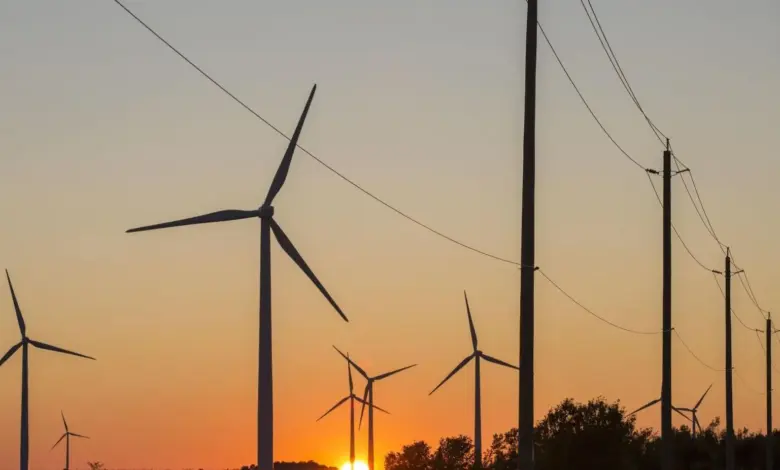
Verified fact: Cohen wrote that amid the discussion about crude, one major element is missing from the conversation: renewable energy. He wrote that renewable energy presents Canada with an opportunity to reduce dependence on global oil markets and build a more resilient energy system at home.
Analysis: That omission matters because the current debate is focused on short-term relief, not long-term insulation. The present arrangement can mute, delay, or disguise the impact of policy measures, but it does not change the underlying exposure. Ottawa gas prices therefore reflect a larger question: whether Canada wants a system that responds to shocks, or one that is less vulnerable to them in the first place.
What should happen next?
Accountability conclusion: The evidence points to a clear public need for transparency about how much relief the tax suspension can actually deliver once summer blends take effect. It also points to a broader policy gap. If Ottawa gas prices keep rising and falling with global supply swings, then Canadians are not just paying for fuel; they are paying for a system that still leaves them exposed. A serious response would pair short-term relief with a longer-term plan that reduces that exposure, and it would place renewable energy at the center of the discussion rather than at the edge of it. Until that happens, Ottawa gas prices will remain a reminder that the apparent savings at the pump may not be the full story.