801 chophouse has reached a clear inflection point: the owner has entered Chapter 11 protection while saying the restaurant network will stay open. That combination matters because it signals a restructuring, not an immediate shutdown, and it gives the company room to negotiate with creditors while continuing to serve customers and pay employees.
What Happens When a Restaurant Group Chooses Reorganization?
Kansas-based 801 Restaurant Group filed for bankruptcy on April 10 in the US Bankruptcy Court for the District of Kansas. The filing lists assets and liabilities in the range of $10 million to $50 million, and the company faces more than $3 million in lease guarantees plus about $1. 8 million owed to the US Small Business Administration.
Chapter 11 is designed to let a business reorganize under court supervision rather than liquidate. In practical terms, that means the group can keep operating while it works through debt terms with creditors. For 801 chophouse, that is the central story: the company is trying to preserve the brand while resetting its balance sheet.
What If the Current Footprint Becomes the Future Model?
The company says its core locations remain open across several cities, including Denver, Des Moines, Kansas City, Leawood, Minneapolis, Omaha, St. Louis and Tysons Corner. Founded in 1993 in Des Moines, the brand is known for premium cuts of beef, including USDA prime steaks and Wagyu, along with an upscale wine-driven dining experience.
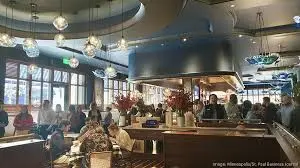
That operating profile points to a familiar restructuring logic. The newest or most fragile concepts tend to be the first to go, while established sites with stronger customer recognition stay in place. In this case, the closure of 801 on Nicollet in downtown Minneapolis fits that pattern. The newer concept opened in November 2025 and closed in less than six months, with notices citing unspecified extenuating circumstances.
The group had also previously operated an affiliated restaurant under the 801 Fish brand in the city. Taken together, those moves suggest a narrower focus on restaurants with the clearest performance history.
What Forces Are Shaping the Restructuring?
The immediate forces are financial and operational, but the strategic implications are broader. The filing comes while the company manages claims tied to leases and federal obligations, and the court process is expected to involve creditor negotiations and hearings, with key proceedings scheduled for May 2026.
Here is the clearest way to read the situation:
| Element | Current Signal | What It May Mean |
|---|---|---|
| Bankruptcy type | Chapter 11 | Reorganization rather than liquidation |
| Operations | Restaurants staying open | Cash flow and brand continuity remain priorities |
| Location strategy | Newer concept closed | Consolidation around stronger sites |
| Legal process | Hearings expected in May 2026 | More clarity will come gradually, not all at once |
For 801 chophouse, the key force is not only debt size but the choice to protect the core business while pruning around the edges. The flagship Des Moines location remains a central anchor during the restructuring.
What If the Next Phase Favors Stability Over Expansion?
Three outcomes appear most plausible from the available record. Best case: the company reaches revised creditor terms and keeps the current restaurant base intact. Most likely: the group trims further around weaker or newer concepts while protecting established locations. Most challenging: negotiations become difficult, limiting flexibility and putting more pressure on the remaining portfolio.
The most important uncertainty is timing. The company has not disclosed a specific reason for the filing, and the court process will determine how much room it has to stabilize. Still, the pattern is readable: a business with recognizable premium dining assets is choosing court-led restructuring to preserve operating value.
Who Wins, Who Loses, and What Should Readers Watch?
Employees and customers benefit most if restaurants remain open during the process. Creditors, landlords, and government claimants face a slower path to recovery, because Chapter 11 usually stretches negotiations over time. The company itself gains breathing room, but only if it can sustain operations while it works through the case.
Readers should watch three signals: whether additional closures follow, whether the established locations continue to hold, and whether the May 2026 proceedings clarify the long-term shape of the business. The broader lesson is straightforward: this is a restructuring aimed at preserving value, not a clean break from the past. For now, 801 chophouse is trying to prove that its best-known restaurants can carry the brand through the reset.