Diana Sanders Carnival Lawsuit Raises One Hard Question: Who Was Responsible for the Final Drink?

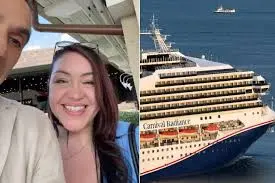
The diana sanders carnival lawsuit turned on a number that is difficult to ignore: at least 14 tequila shots served in roughly eight and a half hours, followed by a fall down stairs and a possible traumatic brain injury. A federal jury in South Florida said Carnival Cruise Line was negligent and ordered the company to pay $300, 000 to Diana Sanders, a 45-year-old nurse from Vacaville, California.
Verified fact: the jury found in Sanders’ favor and awarded damages after hearing evidence that she was served repeatedly while visibly intoxicated. Informed analysis: the case is now larger than one passenger’s night out; it is a test of where a cruise line’s duty ends and personal responsibility begins.
What did the jury decide in the Diana Sanders Carnival Lawsuit?
The Miami federal jury concluded that Carnival Cruise Line was negligent in serving Sanders alcohol before she fell and was injured. The award totaled $300, 000, or about $411, 315 CAD. The case centered on alcohol service over an eight and a half hour period, during which Sanders was served at least 14 shots of tequila. One account tied to the case places the total at 15 shots, described as between 15 and 30 ounces in just over eight hours.
Verified fact: Sanders’ lawyer, Spencer Aronfeld, said in an email that Sanders took responsibility for her own drinking while Carnival refused to take corporate responsibility for the service. He also said the company’s own literature acknowledges that such an amount can lead to coma or death. Verified fact: Aronfeld said the human body can only metabolize approximately one ounce of alcohol per hour. These are the key claims that framed the negligence argument presented to jurors.
What happened after the overservice claim?
After the drinking period, Sanders fell down a flight of stairs, was found unconscious in the crew area, and suffered a head injury, bruising, and PTSD. Her lawyer said she had no recollection of how she got there. He also said Carnival “failed to save” crucial CCTV footage covering the time Sanders left the Casino Bar until she was found 30 minutes later, five decks below.
Verified fact: the injury description includes a possible traumatic brain injury, head injury, bruising, and PTSD. Informed analysis: the missing video footage matters because it limits outside review of the sequence of events between service, movement through the ship, and the eventual fall. In a case built on timing, intoxication, and duty of care, that gap is not a minor detail.
Who benefits, and who is implicated in the dispute?
Sanders’ side says the verdict should push cruise operators to rethink all-inclusive drink packages. Aronfeld said he hopes the verdict will encourage Carnival and all cruise lines to restructure packages that, in his view, encourage over-consumption and over-service of alcohol. That argument places business design under scrutiny, not just the conduct of one passenger.
Verified fact: the record in the case includes criticism of Carnival’s approach to drink packages and service practices. Verified fact: a Carnival Corporation spokesperson also responded, though the provided case text does not include the full statement. Informed analysis: the dispute implicates both the passenger who drank and the company that kept serving. That is why the verdict lands as a warning to operators who rely on high-volume alcohol sales while still claiming responsible service standards.
What does the verdict mean for cruise industry accountability?
The strongest lesson from the diana sanders carnival lawsuit is that jurors accepted a version of events in which repeated service continued despite visible intoxication. That finding shifts the story away from pure self-blame and toward operational oversight. It also suggests that policies on alcohol service can become legal liabilities when they are paired with high consumption and inadequate intervention.
Verified fact: the award came from a federal jury in South Florida. Informed analysis: the size of the award is modest compared with major corporate litigation, but the symbolic value is substantial because it places responsibility on the ship operator rather than treating the incident as only a passenger mistake. The case also raises a practical question for cruise lines: if staff can see intoxication and continue serving, what standard of intervention actually exists?
The public record here is limited, but the central facts are clear: repeated alcohol service, a fall, serious injuries, a missing video window, and a jury verdict against the company. The diana sanders carnival lawsuit now stands as a pointed reminder that entertainment, alcohol, and liability can collide fast when oversight fails.