801 Chophouse Chapter 11 lands at a moment when steak is getting more expensive in the market and more fragile in the dining room. In March 2026, steak prices rose 16% to $12. 73 per pound and ground beef reached $6. 70 per pound, based on data from the Federal Reserve Bank of St. Louis cited in a radio report. That pressure is now visible inside one high-end restaurant group’s restructuring.
What does 801 Chophouse Chapter 11 actually tell the public?
The central question is not whether beef costs are high; it is what those costs are doing to a luxury restaurant model built around premium cuts and premium checks. The owner of 801 Chophouse, 801 Restaurant Group LLC, filed for Chapter 11 bankruptcy protection to restructure its debts and keep operating its restaurants. The petition, Case No. 26-20549, was filed in the U. S. Bankruptcy Court for the District of Kansas in Kansas City on April 10, with assets and liabilities each listed at $10 million to $50 million.
One detail matters: the company did not state a specific reason for filing. That silence leaves the broader market picture to do the talking. Rising beef costs, a softer consumer appetite for the product, and a shrinking cattle supply are already weighing on restaurants that depend on steak as their core draw.
Which facts show the pressure is bigger than one filing?
The verified market backdrop is severe. The total U. S. cattle and calf count reached a 75-year low of 86. 2 million head, down from 86. 5 million a year earlier, based on U. S. Department of Agriculture data cited in a Texas Farm Bureau report. A decline in the cattle herd has helped push beef prices higher. That has affected both supermarkets and restaurants, while consumer demand for beef has fallen.
In practical terms, higher input costs and softer demand create a squeeze that is difficult to escape. For a high-end chain, the issue is not only what it pays for beef, but whether diners will continue paying luxury prices when the broader market is already under strain. 801 Chophouse Chapter 11 therefore reflects more than a single balance-sheet problem; it highlights how quickly premium positioning can become vulnerable when the commodity underneath it turns unstable.
The company owns eight 801 Chophouse locations in Denver; Des Moines, Iowa; Kansas City and St. Louis, Missouri; Leawood, Kansas; Minneapolis; Omaha, Nebraska; and Tysons Corner, Virginia. It already closed an affiliate restaurant in Minneapolis, 801 Nicollet, which had previously operated under another name, 801 Fish. That closure suggests the filing is unfolding in a real operating environment, not just a court filing on paper.
Who benefits from the current structure, and who bears the risk?
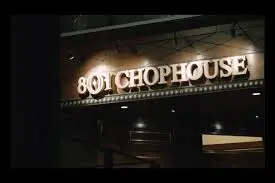
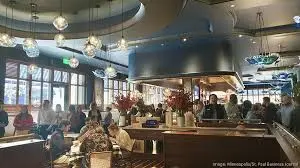
801 Chophouse serves aged USDA prime cuts, wet and dry-aged products, Japanese and domestic Wagyu beef, in-house pastry desserts, small-batch bourbons and scotches, and an award-winning wine list. Its menu prices underscore the kind of customer the chain is built to serve: a Rosewood Ranches American ribeye at $145, a dry-aged porterhouse at $143, a 16-ounce wet-aged bone-in filet at $130, a 12-ounce filet mignon at $87, an 801 cut bone-in prime rib at $79, and a 16-ounce ribeye at $77.
That pricing power may protect the brand in stronger conditions, but it also concentrates the risk. When a restaurant group depends on expensive ingredients and high check averages, any drop in demand can hit hard. The filing was made by the Overland Park, Kansas, debtor, which is represented by Brown & Ruprecht PC in the bankruptcy case, Inforuptcy. The company has said it wants to keep operating its restaurants while it restructures.
Other large steakhouse operators have also been trimming their footprints without filing for bankruptcy protection. Bloomin’ Brands’ Outback Steakhouse said in 2025 that it would close 41 underperforming locations after reviewing its portfolio, and later said it would close its Upper Kirby location in Houston on April 18, 2026, after 25 years because it decided not to renew the lease. Those moves show the sector is under pressure even when court protection is not involved.
What does the filing mean for the sector now?
Verified fact: beef prices are up, cattle supply is at a multidecade low, and 801 Restaurant Group has filed for Chapter 11 while keeping its restaurants open. Informed analysis: that combination suggests the strain on steakhouse economics is no longer abstract. It is showing up in restructurings, closures, and portfolio cuts.
The wider lesson is straightforward. When a premium restaurant chain built around high-cost beef products faces Chapter 11, the issue is not only debt. It is the vulnerability of a business model tied to a volatile commodity, changing demand, and a consumer environment that may not absorb higher menu prices indefinitely. For diners, landlords, and creditors, 801 Chophouse Chapter 11 is a warning that the pressure on upscale steakhouse operations is now measurable, public, and likely to continue.