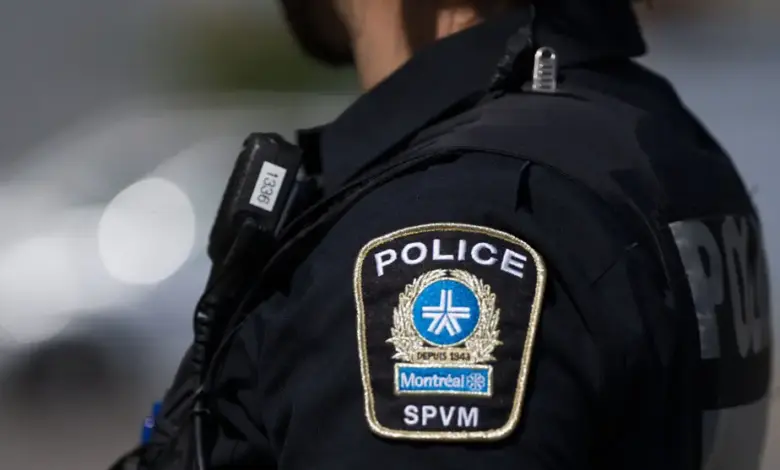
Sunlight glints off a stopped car as a young officer leans toward a driver’s window, calm and professional while a phone records every second. In that clip, a policiere is subjected to a torrent of misogynistic abuse but has no municipal rule she can use to stop the man filming and taunting her.
What happened in the interaction?
A video authenticated by the Service de police de la Ville de Montréal (SPVM) shows an officer who had stopped a motorist for windows that did not meet road-safety standards. The driver repeatedly hurls violent, gendered insults and tells the officer she is his “slave, ” while filming the exchange. The officer remains impassive throughout and ultimately issues a $186 ticket for the window violation.
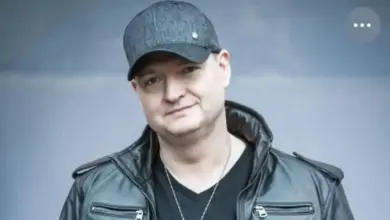
The man who posted the clip, identified in his own online description as Mohamed Bekkali, 24, has written that he feels repeatedly stopped and believes he is targeted as a Montrealer of Maghrebi origin who drives high-end cars. The SPVM confirmed the words captured in the video and described them as misogynous and degrading.
Policiere and Montreal’s legal blindspot
Montreal currently has no municipal bylaw that makes it an offence to insult police officers while they are performing their duties. That gap matters in practice: union leader Yves Francoeur, president of the Fraternité des policiers et policières de Montréal, explained that in some other cities an officer could issue a fine for such language and, if the behaviour continued, proceed to arrest the individual. In Montreal, the officer in the video had no similar municipal instrument to rely on and completed the stop without coercive measures.
The absence of a specific municipal prohibition has prompted a formal response. The SPVM announced it will be in contact with the City of Montreal to evaluate appropriate next steps, and the Module des incidents et crimes haineux of the police has been assigned to follow up on the incident. The union said it plans to make representations to the city to consider a rule that would send a clear signal that verbal attacks and misogynistic remarks against officers are not tolerated.
Who is speaking out and what are they proposing?
David Shane, chief of service and spokesperson for the SPVM, condemned the remarks in strong terms: “We condemn firmly the misogynistic and degrading remarks made by the motorist to the officer. No one should have to endure such insults, whether police personnel or not. ” He also noted that the police module that handles hate incidents will take appropriate follow-up action.
Yves Francoeur praised the officer’s restraint and professionalism, saying she knew who she was dealing with and that she did not have coercive tools at that moment. Francoeur urged the City to adopt measures that would protect officers from verbal attacks while on duty.
Montreal’s mayor, Soraya Martinez Ferrada, has said it is “too early” to determine whether a new regulation is necessary, stressing that the city’s police model includes outreach and social-intervention elements that shape how officers work in the field.
The motorist who posted the footage has other publicly available videos in which he films interactions with police and where similar confrontations appear. He told viewers in a live video after the stop that one can insult police in Montreal and suggested this was a way to push back, a claim that has fed debate over legal protections for officers and the limits of public speech during police interventions.
The incident raises layered questions: workplace safety for officers, municipal authority to curb abusive public conduct, and how police-community relations play out when interactions are recorded and shared widely.
Back at the curb, the image of the officer standing composed as insults stream past the camera returns to the same unresolved point that launched the controversy: the ticket was written, the video circulated, and the city must decide whether a legal change is needed. For the policiere in that clip, the moment remains a testament to restraint; for the city, it is a prompt to consider whether current rules match the realities officers face on the street.