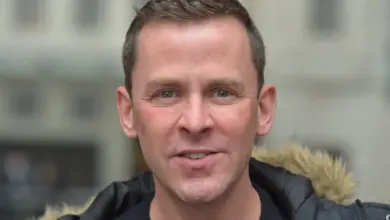
At a press conference in Winnipeg on March 30, 2026, Avi Lewis stood before cameras and pledged an “NDP comeback” as the new federal leader. The moment, charged with promise for some and alarm for others, already has reverberations in alberta — where provincial leaders dismissed parts of his agenda as out of step with their politics and priorities.
What does Avi Lewis’s win mean for Alberta?
Lewis’s first-ballot victory was presented as a renewal for a party that had just six MPs and struggled financially. He pledged to centre the party around equity and promised policies including higher wealth taxes, green energy and tuition-free education. Those national commitments collided immediately with reactions in alberta: Naheed Nenshi, Alberta NDP Leader, said, “It is clear that the direction of the federal party under this new leader, someone who openly cheered for the defeat of the Alberta NDP government, is not in the interests of Alberta. ” That blunt assessment underlines a long-standing tension: some provincial NDP leaders prioritize pragmatic approaches to energy and regional economies, while the federal leader is running on a more ideologically driven platform.
How are party leaders and provinces responding?
The response across provincial leaders was mixed and revealing. Manitoba Premier Wab Kinew met with Lewis; the two appeared together and Lewis made a point of sitting down with the six federal caucus members immediately after his victory. Ontario NDP Leader Marit Stiles offered congratulations and emphasized unity, saying the party should “bring people together, and build a future for everyone. ” By contrast, Saskatchewan NDP Leader Carla Beck dissociated herself from Lewis and described his track record on energy and policy issues as “antithetical to the values of a party built with and for working people. “
Those disagreements are more than personality clashes. They reflect competing bets about how the NDP rebuilds: one strand pushing a clear, unapologetic leftward platform meant to energize a base; another arguing for a centrist, regionally sensitive approach to win seats in provinces where federal NDP support has collapsed. The federal party’s recent collapse was stark: it lost 17 of 24 seats in the last federal election, carries about C$13m in debt and now has only six MPs. Lewis does not hold a seat in parliament and has never held political office, facts cited by critics who question the practical path from convention promises to parliamentary power.
Can the NDP deliver its economic agenda?
Lewis framed his agenda in stark moral terms: “It is time, far past time, to properly tax the corporations and billionaires that have been riding a tidal wave of profits while the 99% have been suffering and struggling, ” he said. He has also proposed ideas that some view as unconventional for a national party, including a plan for a national bank run by Canada Post referenced by critics as emblematic of an economically ambitious platform. Yet the federal party’s weak parliamentary standing and internal division pose immediate constraints. The party faces the dual tasks of translating convention momentum into votes and bridging gaps with provincial leaders who worry about electoral fallout in jurisdictions such as alberta and Saskatchewan.
Martin Regg Cohn, a Toronto-based columnist focusing on Ontario politics and international affairs, framed Lewis’s victory as a powerful event that could reshape provincial and federal dynamics, noting both the opportunity and the risk in a leader who must unify disparate provincial wings while advancing a bold national program.
Allies point to the convention’s large turnout and Lewis’s first-ballot win as proof of appetite for a sharper leftward platform; critics point to his lack of parliamentary experience, the small caucus and the loss of official party status in the last parliament as structural obstacles. The immediate work for Lewis has been pragmatic: sit down with caucus members, meet provincial leaders and try to translate convention energy into electoral strategy.
Back in Winnipeg, at that March 30 press conference, Lewis called for unity even as provincial leaders voiced starkly different views. The scene that felt like a beginning for some already reads like a test for others: can a federal leader promising sweeping change persuade party members from Vancouver to alberta that his program will both revive the party and respect regional realities? The answer will shape not just the NDP’s prospects but the political landscape across the country.