Under the floodlights at the Stadio Atleti Azzurri d’Italia, 23, 000 blue scarves rise and fall as anthems finish and nerves tense. For the italy national football team, the roar is both promise and pressure — a single-leg World Cup playoff where one night will redraw careers and national expectations.
Why is the Italy National Football Team treating this as ‘the most important game’?
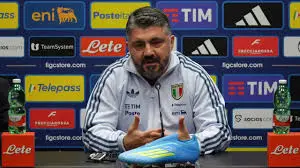
Gennaro Gattuso, coach of the Italy national team, has framed the match as the peak of his coaching life: “I hear it, and this is certainly the most important game of my career, ” he said, describing how the voices in his head have pushed him to prepare. He has made deliberate choices to shape the setting: he selected the Stadio Atleti Azzurri d’Italia because, he explained, a smaller ground can create a “real cauldron-like atmosphere. ” The Italian federation supplied scarves to fans, and the memory of an unbeaten record for Italy at this stadium — cited by the team as part of the mood — feeds into a sense that the venue itself can be an ally.
What are Northern Ireland’s plans and who are the key voices on the touchline?
Michael O’Neill, manager of the Northern Ireland national team, has built a selection strategy around youth, running power and athleticism. In outlining his side he emphasized adaptation to missing regular starters: “With the players we have unavailable, the most important thing was to put as much running power and athleticism in the team, ” he said, naming several young players he trusts to bring energy and transition threat. O’Neill highlighted Brodie Spencer on the left, Justin Devenny in midfield and praised Jamie Donley as a differing striker profile who can drop into space and unsettle defenders. He also noted that Ali McCann had done everything possible to be fit but did not make it into the matchday squad.
Gattuso, while cautious of showing disrespect, outlined the practical threats Northern Ireland poses: an emphasis on long balls, set-plays and fierce contests for second balls. That reading echoing a broader debate over direct styles has previously stirred controversy when voiced by other coaches, a reminder that tactical description can quickly become part of the story itself.
How does the stadium, crowd and human preparation shape the tactical battle?
The Stadio Atleti Azzurri d’Italia is more than turf and stands; it has recent history for Italy and a reputation for local generosity. Gattuso recalled being applauded by locals in an earlier game there, a courtesy that resonated with him when he first took charge. He has also worked to keep the squad united off the pitch: travelling across the country and abroad to share dinners with players and shore up morale. Mateo Retegui, the striker leading the line for Italy who plays under Brendan Rodgers with Al Qadsiah, described his rapport with his club coach as positive, a detail Gattuso has used in building a group that blends club relationships with national duty.
On the other side, O’Neill insists discipline out of possession and intensity in transition will be Northern Ireland’s blueprint: “we’re obviously going to have to be very disciplined… very good out of possession… but we can also cause them problems… particularly in transition… running power, ” he said. The juxtaposition — home crowd lift and meticulous team-bonding against a young, hungry visiting side primed to scramble and counter — frames a match in which marginal gains could be decisive.
What are teams doing now to tilt the balance?
Both managers have acted on multiple fronts. Gattuso chose venue and cultivated atmosphere; he has stressed positive thinking and kept the squad together with regular contact and shared meals. O’Neill has tailored selection to compensate for absences, promoting energetic, adaptable players and stressing set-play preparedness and defensive discipline. Each camp has sought to convert uncertainty into clear preparation: tactical drills, psychological focus and trust in the players named for the night.
Back in the stands, a scarf-waving chorus that began the evening draws a long breath. For the italy national football team the match will measure more than tactics or form; it will test the fragile art of translating atmosphere, faith and small decisions into a place at the World Cup. As the whistle approaches, the same stadium that once produced applause for a new coach now waits to say whether that applause was well placed — or only a beginning.