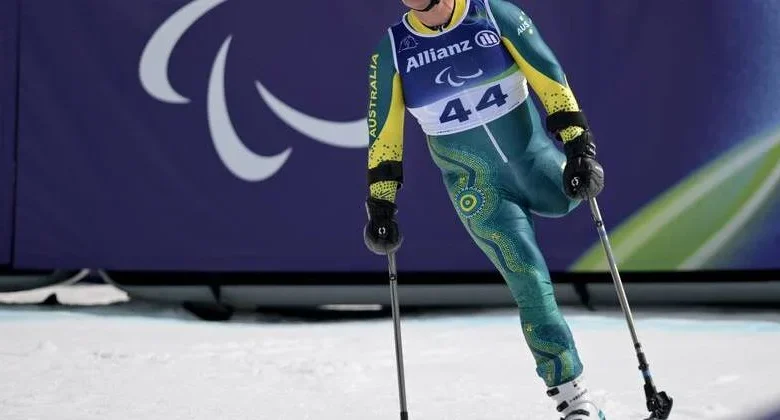
g threaded through Michael Milton’s return to Paralympic racing as he stood at the start on the Olympia delle Tofane, 52 years old and less than 25 days after surgery for a leg fracture, then skied down to a 23rd-place finish that left him fighting tears.
What happened in the Super-G?
Milton, Australia’s most decorated Winter Paralympian, tackled one of the sport’s toughest speed courses in the men’s Super-G standing event and came home 23rd in a field of 33. The run came shortly after surgery to fix a fracture at the top of his amputated left leg; the injury occurred while training in the United States. He pulled out of the downhill event because of that injury but was cleared to race the Super-G and still plans to compete in slalom and giant slalom.
Fellow alpine skier Josh Hanlon crashed in the sitting Super-G, failing to finish, as nearly a quarter of the start list did not make it down the mountain. Earlier in the Games, Ben Tudhope had won SB-LL2 snowboard cross silver, the nation’s first medal at these Paralympics.
Why was Milton’s comeback so emotional?
Milton’s return was shaped by a string of personal and medical challenges. He lost his leg to bone cancer at nine, has battled cancer again as an adult, and underwent surgery weeks before his Super-G race. He described his skiing as “a bit pathetic” and acknowledged the rawness of the moment: “My emotions are ruling me. I tried to control them all morning. You can only hold on for so long, can’t you?”
He said the feeling of standing on the start line — the pressure, the fear — was central to why he came back. “One of the things you come back for is the emotion, ” he said, adding a frank image of how fear feels in the moment. Paralympics Australia noted the combined toll of injury, family travel disruption and the mountain’s difficulty, saying those elements together made his return especially testing.
Who is helping Milton recover and what comes next?
Australian medical staff closely monitored Milton’s rehabilitation and oversaw his return to training; they provided the medical clearance that allowed him to race the Super-G. The fracture in the neck of the femur on the stump of his left leg required surgery, and the team managed his race entries carefully, culminating in the decision to skip the downhill but continue with speed and technical events yet to come.
Milton’s family drama added another human layer: his wife Penni and their children were initially stranded in Doha because of regional conflict but later arrived in Italy and were able to watch him from the stands. The presence of family, he said, mattered deeply even as he faced the messy reality of a return to elite competition after a long retirement and recent health crises.
For now, Milton framed the Super-G as a stepping stone. He said he was “a bit rusty” but planned to take lessons from the run and ski with more aggression and confidence in the upcoming events. The brief, raw admission that his skiing had been “pathetic” sat next to a quieter determination: this was one race on a program that still held slalom and giant slalom for him to contest.
Back at the base of the Olympia delle Tofane, the scene that opened the day — a veteran athlete, his family reunited in the stands, medical staff watching closely — now carries a different weight. The 23rd-place result is less a final verdict than the start of the next act: recovery, adjustment and another attempt to turn fear into speed on the slopes.