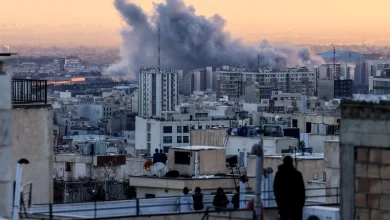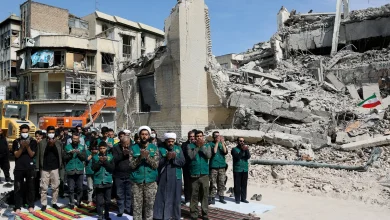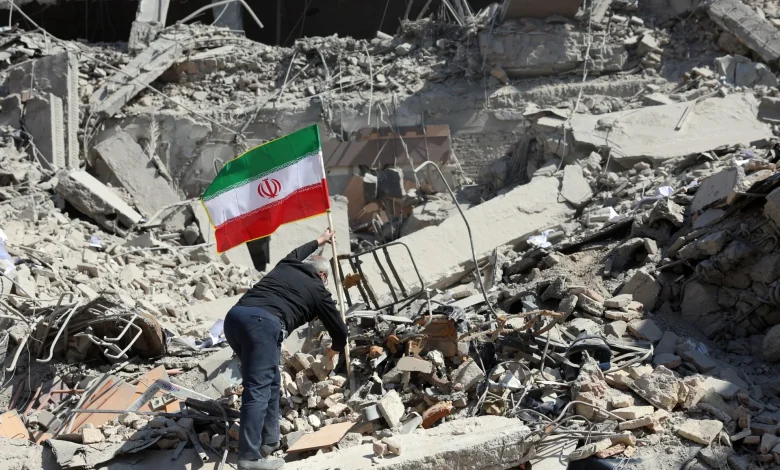
The anonymous wager that turned into a six‑figure payday has put prediction markets squarely in the political spotlight and raised fresh questions about market integrity. The platform polymarket—operating with cryptocurrency and permitting anonymous accounts—saw a user known as “Magamyman” make more than $500, 000 in a single day on a trade tied to US and Israel strikes on Iran that removed Supreme Leader Ayatollah Ali Khamenei from power.
Polymarket and the anonymous bets: what happened
In the hours before the strikes that killed the Iranian supreme leader, several accounts placed concentrated wagers on the likelihood of a US strike. Analytics firm Bubblemap found that users who made those trades opened their accounts in February and focused exclusively on Iran‑related positions. The most prominent of those accounts, using the name “Magamyman, ” entered a position when market probability was at 17 percent and completed the first trade 71 minutes before the news broke publicly, then realized more than $500, 000 in profit in a single day.
Why these trades matter: markets, anonymity and regulation
Prediction markets allow people to buy and sell contracts tied to real‑world events; prices move as traders reassess odds and contracts have set end dates. The contested Iran position in question was structured as “US will strike Iran by February 28, 2026, ” a format that resembles both gambling and futures trading. The platform at the center of the controversy operates using cryptocurrency and allows anonymous users, distinguishing it from Kalshi, the only US‑regulated prediction market, which requires user identification and is overseen by the Commodity Futures Trading Commission.
Those structural differences matter because concentrated, anonymous trades timed immediately before violent state action create the appearance of privileged information being used for profit. The pattern of newly opened accounts placing focused bets within 24 hours of a major strike—and then cashing out after the event—has revived earlier episodes where prediction‑market payouts closely preceded sudden political developments. Past examples referenced in public discussion include a trader who profited on a prediction of an abduction and another who gained before a Nobel Prize announcement.
Expert perspectives and political reaction
Mike Levin, a Democratic representative from California, drew attention to the timing and scale of the trades, noting that the key purchase occurred when the strike probability was at 17 percent and that the first trade was placed 71 minutes before public reporting. That sequence has intensified focus in Washington on whether prediction‑market activity can amount to profiteering from conflict.
Ryan Kirkley, CEO of Global Settlement, framed the issue in broader social terms, arguing that markets tied to geopolitics raise distinct ethical concerns. “The core thesis here is should we be gambling or creating futures markets in our own democracy?” he said, stressing the difference between entertainment betting and markets that touch on rule of law, democratic integrity, and personal safety.
On the conservative side, former White House Office of Management and Budget Director Mick Mulvaney has launched a coalition dubbed Gambling Is Not Investing, advocating for regulation of prediction markets along lines similar to state‑level gambling rules that include licensing and age restrictions. That campaign and lawmakers’ scrutiny underscore bipartisan unease about anonymous, high‑value trades around violent events.
Regional and global repercussions
The trades have consequences beyond individual profits. They raise questions about how open markets interact with national security events and whether existing regulatory frameworks adequately address the unique risks of prediction platforms that operate with cryptocurrency and limited identity checks. Kalshi’s regulated model and oversight by the Commodity Futures Trading Commission are cited as contrasting approaches, but the debate now centers on whether broader reforms are necessary to prevent perceived profiteering from war.
Analysts and lawmakers are also focused on market signals: if prediction platforms can be gamed through anonymous, timely wagers tied to violent state actions, the ripple effects could extend to investor behavior, diplomatic trust, and public perceptions of institutional integrity.
The pattern of last‑minute bets and rapid payoffs has prompted calls for closer examination of account openings and trade timing, and for a reassessment of whether anonymous, cryptocurrency‑based markets should be permitted to run unregulated during active geopolitical crises.
As scrutiny of prediction markets intensifies, and as regulatory and political responses begin to coalesce, one persistent question remains: can platforms that allow anonymous cryptocurrency trades be reconciled with standards expected of markets that touch on war, governance and human lives—and if so, how should that reconciliation be enforced in practice?