As explosions echoed over Tehran and air defenses activated across the Gulf, the phrase iran strikes israel has come to define a rapidly widening conflict that pairs cross-border attacks with a near-total communications blackout inside Iran.
Iran Strikes Israel: Documented events and verified facts
Verified facts — drawn from government statements, state media and institutional briefings — sketch the current, escalating picture.
- Azerbaijan’s Foreign Ministry identified drones fired from Iran as striking its territory, with one impact at Nakhchivan International Airport’s terminal and another landing near a school in the village of Shakarabad; the ministry cited damage to the airport building, injuries to two civilians, the summoning of Iran’s ambassador and a reserved right to respond.
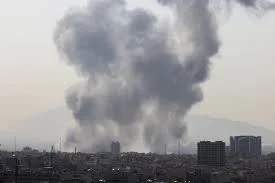
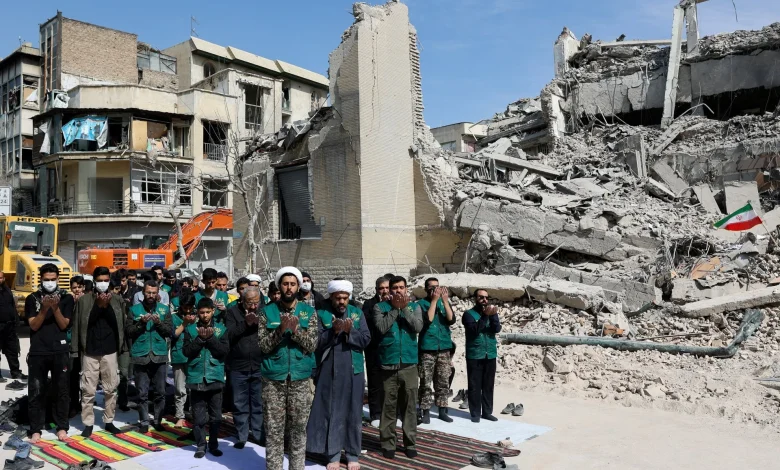
- Iranian state television broadcast explosions around Tehran and images of smoke rising over multiple parts of the capital following strikes on Iranian sites and retaliatory actions by Tehran and allied actors.
- Qatar experienced explosions in its skies while its defence systems intercepted missiles entering Qatari airspace.
- The Pentagon identified four U. S. Army Reserve soldiers killed in a drone strike at a command center in Kuwait; that strike also killed two other service members.
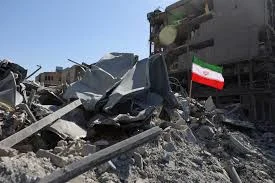
- Tehran and its allies have launched strikes across the region that included attacks on Israel and on Gulf facilities, with strikes reaching diplomatic sites stated to include the American Embassy in Saudi Arabia and consular facilities in the region.
- Russia and China labelled the US–Israeli campaign against Iran a clear violation of international law, jointly requested an emergency meeting of the UN Security Council, and have expanded bilateral deals and coordinated naval drills while not indicating military intervention to support Iran.
- NetBlocks, the cybersecurity watchdog, recorded an Iran-wide internet blackout that has exceeded five days and a connectivity level around 1 percent of ordinary levels, with warnings about legal repercussions for attempts to access the global internet.
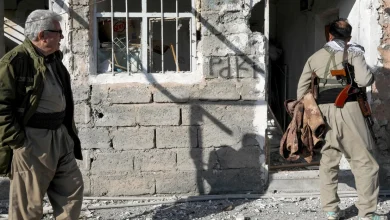
- At the Kapikoy border crossing between Turkiye’s Van province and Iran’s Khoy city, crossings continued with normal security and customs flows despite the conflict.
Who is implicated and what are official positions?
Official stances and immediate impacts are clear from institutional statements and state broadcasts. Azerbaijan’s Foreign Ministry framed the drone incursions as violations of international law and has demanded clarification from Iran. Iranian state television documented explosions in the capital as the conflict entered another day of strikes and counterstrikes. The Pentagon has publicly identified U. S. service members killed in a separate strike in the region. Russia and China pressed for a UN Security Council meeting and described the campaign as unlawful while stopping short of military intervention. Qatar’s air-defence activity underscores risk to Gulf airspace.
These linked actions — including the strikes that led to the phrase iran strikes israel — show multiple governments directly affected or publicly involved: those launching strikes, those intercepting incoming fire, and those publicly condemning the campaign at the UN level.
Analysis: What this pattern means and what must be demanded
Informed analysis — distinct from the verified facts listed above — indicates a contradiction between heightened military engagement on multiple fronts and restrained diplomatic follow-through from major partners. Russia and China’s joint diplomatic moves and military coordination point to political support for Iran without committing to military intervention; the result is a regional conflict sustained by strikes and reprisals but lacking a clear diplomatic exit path. The near-total internet blackout inside Iran, as recorded by NetBlocks, amplifies the humanitarian and informational toll of that pattern by constraining civilian awareness and accountability.
The asymmetric impacts are visible: civilian infrastructure and diplomatic facilities are engaged across borders, air-defence systems are being activated over Gulf capitals, and officials in affected states are publicly preserving the right to respond while summoning diplomats. The documented deaths of service members and civilian injuries raise immediate questions about escalation management and protections for non-combatants.
Accountability demands follow directly from these verified facts and analyses: transparency from governments about targets and civilian risk, an independent review at the UN Security Council of cross-border strikes and drone use, and restoration of basic communications inside Iran to allow independent verification of harm. The public record already shows how iran strikes israel is not an isolated incident but part of a broader pattern that requires urgent, evidence-based international scrutiny and remedies.