Parvovirus Chien: 5 urgent warning signs as Sherbrooke urges owners to stay away from contaminated wooded areas

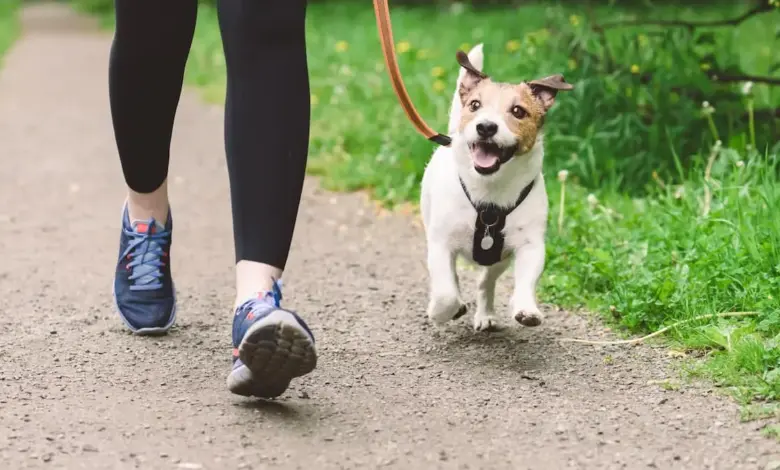
In Sherbrooke, the most alarming part of the parvovirus chien warning is not only that dogs may already be exposed, but that the risk appears tied to ordinary outings in familiar public spaces. The Société protectrice des animaux de l’Estrie has urged owners to reduce exterior walks after a citizen report pointed to contaminated feces in wooded areas near rue Évangéline, close to the international school of Le Phare. The concern is not abstract: several dogs were said to be showing symptoms, while uncertainty remains over how many animals are affected.
What triggered the alert in Sherbrooke
The alert began after a report received Monday morning from a resident in the rue Évangéline area. The SPA de l’Estrie said the warning was issued because signs on the ground, including bloody stools, matched one of the most common symptoms linked to the virus. The organization described the illness as extremely contagious, virulent and often fatal in puppies.
At this stage, the organization has not confirmed the number of cases. That uncertainty matters, because a public-health-style response becomes harder when the threat is visible but not yet quantified. Even so, the message to owners is direct: avoid making the affected area part of the daily routine, and do not assume that a routine walk is harmless. The parvovirus chien warning is being framed less as a one-off incident than as a prevention problem that could widen if owners continue visiting the same spaces.
Why the risk is considered serious
The context provided by the SPA de l’Estrie and Alexis Savoie, its communications officer, shows why the situation is being treated urgently. The virus attacks intestinal cells, causes hemorrhagic inflammation of the digestive system, and weakens immunity by destroying white blood cells. It mainly affects young dogs, unvaccinated animals and dogs living in groups. Puppies are especially vulnerable, and the organization said the mortality rate is particularly high in that age group.
Transmission is mainly linked to contaminated surfaces or exposure to infected fecal matter. That detail helps explain why the warning extends beyond direct contact with sick animals. A dog can encounter risk simply by walking through a contaminated area. The SPA de l’Estrie also said some owners of potentially sick dogs may still be using public spaces, which could contribute to further spread. In that sense, the immediate issue is behavioral as much as medical: one owner’s hesitation can become another dog’s exposure.
Symptoms listed in the warning include vomiting, diarrhea, blood in the stool, dehydration, loss of appetite and low energy. The organization urged owners to contact a veterinarian quickly if those signs appear. It also recommended vaccination for puppies starting at 6 to 8 weeks. In a separate message, Alexis Savoie said vaccination remains the best prevention and stressed that an adult dog that is not vaccinated is not fully protected.
Expert perspective and what owners are being told now
Alexis Savoie, communications officer for the SPA de l’Estrie, said there is still no confirmation of all suspected cases, but there are “several dogs” believed to be affected. He also noted that one dog in the sector was reported dead, while emphasizing that the cause has not been confirmed. That distinction is important: the alarm is real, but the facts still have boundaries.
Savoie also warned that the situation could widen if it is not handled carefully. He said the organization understands the concern and the sense of panic among owners, but that the rumor must be taken seriously. In practical terms, the message is to keep vaccination records up to date, avoid the contaminated sector, and seek veterinary attention immediately if symptoms appear. The parvovirus chien issue is therefore being managed through prevention, not panic.
Regional impact beyond one neighborhood
The possible spillover goes beyond the wooded lots near the school. If owners continue using the same routes, the risk can move from one pocket of Sherbrooke into other public spaces. The SPA de l’Estrie said the virus can remain present for up to a year even if feces are removed, which makes cleanup alone an incomplete response. That persistence raises the stakes for local dog owners who may assume the danger disappears once the ground looks clean.
The organization also said it does not want the virus brought into its refuge, a reminder that the effects of one neighborhood alert can reach animal-care infrastructure more broadly. For dog owners in Sherbrooke, the immediate question is less about whether the warning sounds severe and more about whether habits need to change now. If the zone remains contaminated and several dogs are already showing symptoms, how many more animals will be exposed before caution becomes routine?
For now, the clearest advice remains narrow and practical: avoid the affected wooded areas, keep dogs away from contaminated ground, update vaccinations, and call a veterinarian at the first sign of illness. In a situation built on uncertainty, the safest response is also the simplest — because with parvovirus chien, waiting for certainty can come too late.