In the middle of a new release cycle built around Michael Jackson, leaving neverland has returned as more than a documentary title. It has become a reminder of a dispute that never really left the culture: who gets believed, who gets erased, and what happens when a painful story collides with the machinery of fame.
What is Dan Reed saying about the new Michael Jackson biopic?
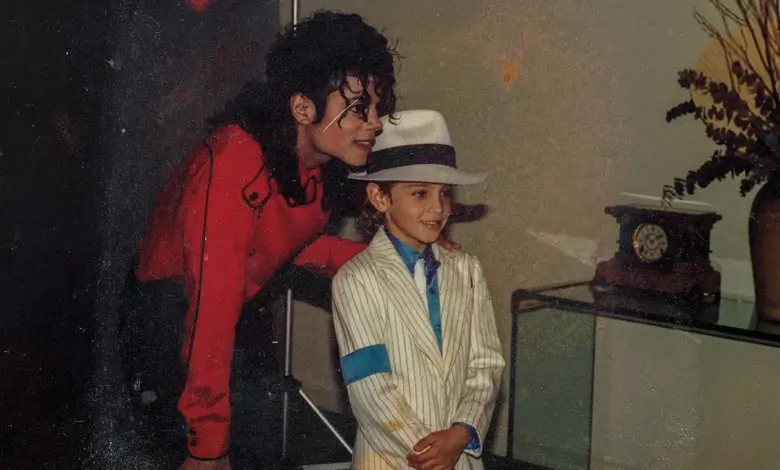
Dan Reed, the director of Leaving Neverland, says the latest Michael Jackson biopic sidesteps the central issue his film explored. In his view, the absence of the abuse allegations is not a small omission but the point. He argues that the film offers a version of Jackson that leaves out the accusations raised by Wade Robson and James Safechuck, whose accounts formed the core of his 2019 documentary.
Reed has been blunt about what he thinks the public response says. He says people do not care enough about the abuse allegations and that many listeners simply choose the music and ignore the rest. He also says there is no obvious threshold of evidence that would change the minds of some fans, short of something impossible to produce.
For Reed, the issue is not only about one film. It is about how a powerful legacy can shape what audiences are willing to see. He says the entertainment world is moving forward with a version of Jackson that treats the controversy as background noise rather than the center of the story.
Why does leaving neverland still matter years later?
The documentary premiered on HBO in 2019 and was described as a devastating account of alleged childhood abuse. It received an Emmy, even as the Jackson Estate dismissed it as a one-sided fiction. Later, the film quietly disappeared from the platform after a legal settlement. Reed says the film can be made available again when rights revert to him in 2029.
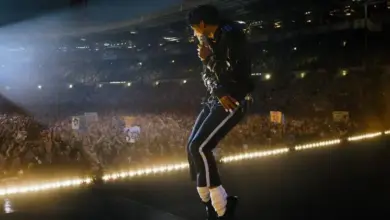
That absence matters because the broader cultural conversation has moved on in some places while staying frozen in others. Reed points to the continued strength of Jackson-related business: streaming interest, a Broadway hit built around the singer’s catalog, and the new biopic entering wide release. In his eyes, that mix shows how money and nostalgia can outlast discomfort.
He also says the allegations were never a side issue for his work. They were the reason he made the film in the first place. What started as a detour from his usual focus on war and terrorism became, for him, a film about child sexual abuse and the people who say they lived through it.
How do money, memory, and image shape the debate?
Reed frames the new biopic as an example of how an industry can protect a profitable image. He criticizes the idea that the film can tell an authentic story about Jackson without mentioning the accusations. He also rejects the suggestion that the accusers were motivated by profit, saying Robson and Safechuck have not made money from their claims and that lawsuits do not pay unless they are won in court.
He extends that criticism to the wider ecosystem around Jackson’s legacy. In his telling, the estate, the fan base, and the commercial value of the Jackson name all help sustain a narrative that pushes aside the most serious allegations. The result, he says, is a public conversation shaped less by accountability than by familiarity and profit.
One especially striking part of Reed’s reaction is how he describes the emotional effect of reading the script of the biopic. He says a leaked early version portrayed Jordan Chandler and his parents as manipulative extortionists, and that he reacted with both disbelief and disgust. For Reed, that approach felt cruel because Chandler and his mother are still alive.
What comes next for the people still inside this story?
Reed is not treating this as the end of the line. He says he released a sequel on YouTube and plans another film tied to Robson and Safechuck’s upcoming civil lawsuit against two corporate entities connected to Jackson. He describes that project as the final chapter of his work on the story, something he intends to finish no matter what.
He is also working on a separate documentary about the need for new antibiotics, which shows that his career remains broader than this one subject. Still, the Jackson story keeps pulling him back, because it sits at the intersection of art, accusation, and public appetite. That is why leaving neverland remains a live cultural argument rather than a closed chapter.
Back in that opening scene of a new Jackson release, the tension is unchanged: a giant entertainment machine moves forward, while the unresolved human accounts behind Leaving Neverland continue to ask for attention. Reed thinks the public has already made its choice. The question left hanging is whether that choice says more about Jackson, or about the culture watching from the seats.