Benjamin Netanyahu treated for early-stage prostate cancer after tumour was found in routine checkup

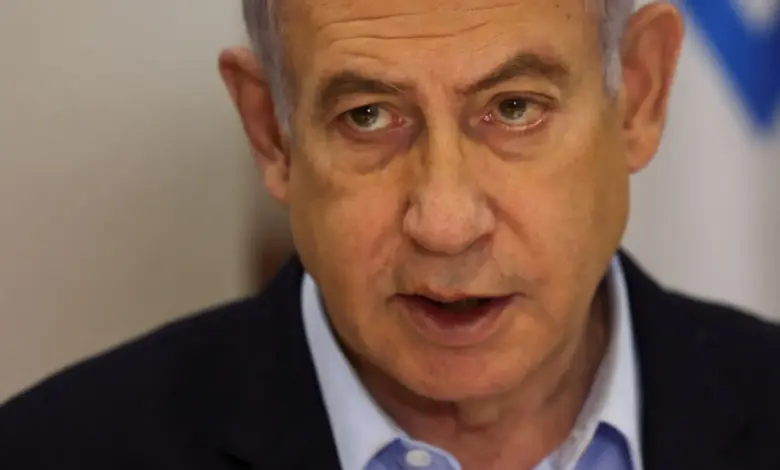
benjamin netanyahu has disclosed that doctors found and treated an early-stage malignant tumour during routine monitoring, turning a private medical episode into a public political moment. The Israeli prime minister said the problem was removed with no trace left behind, while also explaining why he delayed publication of the medical report. His account places personal health, wartime messaging and public trust in the same frame, at a time when every disclosure from a national leader carries diplomatic weight.
What Netanyahu said about the diagnosis
In a post on X, Benjamin Netanyahu said he had been in excellent physical condition after his annual medical report was published. He said that following surgery in 2024 for an enlarged benign prostate, doctors continued routine monitoring and later found “a tiny spot of less than a centimetre. ” The report described the case as early-stage prostate cancer, and Netanyahu said treatment had “removed the problem and left no trace of it. ” He also said the issue had been “completely treated. ”
The disclosure matters not only because it concerns the health of a sitting prime minister, but because the timing was deliberately controlled. Netanyahu said he requested a two-month delay in publishing the report so it would not come out at the height of the war with Iran. He said he wanted to avoid giving Tehran “even more false propaganda against Israel. ” That explanation places the medical news inside a broader information battle, where even personal health can become part of state messaging.
Why the timing of the disclosure matters
Netanyahu’s explanation suggests the decision was not just about privacy. It was also about political timing, strategic communication and the risk of adversaries using incomplete information to shape a narrative. In his own words, he said that when he is given information in time about a potential danger, he wants to address it immediately, adding that this is true “on the national level and also on the personal level. ” That framing links his health treatment to the style of leadership he is known for projecting.
The fact that the report was released after the treatment was completed reduces immediate uncertainty, but it does not eliminate questions about transparency. For public leaders, especially during conflict, delayed disclosure can be read in two ways: as a legitimate effort to stop disinformation, or as a reminder that sensitive information was withheld until the political moment was safer. What is clear is that the announcement arrived after the fact, not during the treatment itself.
Benjamin Netanyahu and the politics of medical transparency
Benjamin Netanyahu’s statement also highlights how health disclosures are judged differently when they intersect with war. He said he underwent treatment after a routine checkup, and the annual report otherwise described him as being in good health. That detail is important because it shows the cancer was found early and addressed medically, not after a crisis. Still, the decision to keep the public waiting for two months means the issue is now about more than medicine.
For leaders, the question is often not only whether an illness is treatable, but whether withholding it changes public understanding of stability and continuity. In this case, the prime minister’s own account says the treatment was successful and the tumour was removed. Yet the controlled release suggests that information management was treated as part of the response, alongside the medical care itself. That is a reminder that in conflict settings, even health updates can become strategic assets.
Expert perspective and broader implications
Aharon Popovtser, director of Hadassah Hospital’s oncology unit, said Netanyahu was diagnosed at an early stage and noted that prostate cancer is common among men his age. He also said that, based on the tests, “the disease has disappeared. ” That statement supports the broader medical interpretation of the case: early detection and treatment can leave little visible trace in follow-up testing. The emphasis on early-stage detection is central here, because it shapes both prognosis and public interpretation of the news.
At the same time, the disclosure adds a new layer to the scrutiny surrounding Israel’s leadership during an active war. The prime minister is due to visit the White House in the coming weeks as efforts continue to broker a long-lasting peace deal in the war with Iran. Israel’s ceasefire agreement with Lebanon has also been extended by three weeks. Against that backdrop, Benjamin Netanyahu’s health update will be read not as an isolated medical note, but as part of a wider sequence of military, diplomatic and political calculations.
Netanyahu’s case may also influence how openly other senior officials approach health disclosures in moments of national tension. The balance between public transparency and strategic timing is rarely simple, but this episode shows how quickly a medical report can become a test of trust. If the goal was to prevent disinformation, the approach may have succeeded; if the goal was to reassure the public, the delayed release may leave some questions lingering.
As Benjamin Netanyahu prepares for the next round of diplomatic engagement, the unresolved issue is not whether the treatment worked, but how much control a government can or should claim over the timing of health news when the country is already under pressure.