The phrase jet fuel shortage airline cancellations is moving from a travel anxiety to a planning reality, and the timing matters because airlines are already reshaping summer schedules before peak demand fully arrives. In the past two weeks, major carriers have begun cutting or consolidating routes, while some are adding fees to offset higher operating costs.
That is the inflection point: when fuel costs stop being a background pressure and start changing which flights exist at all. The result is a narrower set of options for travelers, more uncertainty on international routes, and a stronger focus on refunds, rebooking, and passenger rights.
What Happens When Fuel Costs Start Reshaping Flight Maps?
Airlines around the world are cutting flights because of a jet-fuel shortage. Jet-fuel prices have doubled since the U. S. -Iran war began, after Iran effectively closed the Strait of Hormuz, a route that carries 20 per cent of global oil supplies and a significant amount of jet fuel for Europe.
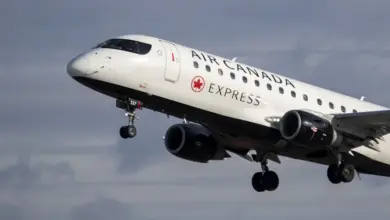
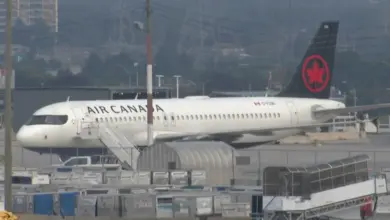
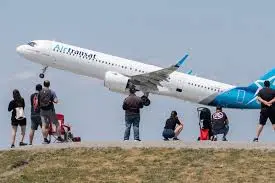
In Canada, several of the biggest airlines have cancelled or consolidated domestic and international routes. Air Transat said it will reduce flight frequency on some European and Caribbean routes for the summer season and extend the suspension of Cuban flights until October. Air Canada said it will suspend six routes because the high flight costs make them unprofitable, including links between Fort McMurray and Vancouver, Yellowknife and Toronto, and daily service to John F. Kennedy Airport from Montreal and Toronto. WestJet said it has reduced capacity in April, May, and June, and is still evaluating its summer schedule.
What If the Shortage Spreads Beyond Canada?
The pressure is not evenly distributed. Domestic flights in Canada are expected to remain relatively stable because Canada can use its own refiners for oil, and there has not been widespread disruption to many existing bookings. But the risk rises for Canadians travelling to Europe and parts of Asia on non-Canadian carriers, where disruptions and cancellations may increase in the coming weeks.
The International Energy Agency said Europe could be six weeks from a jet-fuel shortage caused by the loss of Mideast supplies. Britain and parts of Southeast Asia are especially dependent on imported aviation fuel, which makes them more exposed if the shortage deepens.
This is why jet fuel shortage airline cancellations are likely to remain concentrated first in routes that are easiest to trim: shorter flights, less profitable services, and routes where airlines can consolidate demand without grounding core networks.
What Happens When Airlines Try to Protect Margins?
Carriers are not only cutting flights; they are trying to recover costs in other ways. Some companies, including Air Canada and WestJet Airlines, are increasing fares or charging more for baggage to make up for the higher fuel bill. WestJet also introduced a temporary $60 fuel surcharge for certain bookings.
That response shows the next stage of the adjustment. If fuel costs stay elevated, airlines may keep reducing capacity instead of absorbing losses. For travelers, that means fewer available seats, more expensive tickets, and a higher chance that a route disappears if it cannot support the cost structure.
| Scenario | What it means | Who feels it first |
|---|---|---|
| Best case | Fuel pressures stabilize and airlines preserve most summer schedules | Travelers with upcoming international bookings |
| Most likely | Selective route cuts continue, especially on weaker or shorter routes | Passengers on thin domestic and international services |
| Most challenging | Shortage spreads more widely and cancellations accelerate across Europe-linked and Asia-linked travel | Long-haul travelers and carriers dependent on imported fuel |
Who Wins, Who Loses, and What Should Travelers Do?
The clearest winners are travelers who can stay flexible and act early. Airlines are still required to offer a refund or rebooking on the next available flight, including with a competitor, if they cancel because of fuel shortages. Travel vouchers may also be offered, but only if the voucher does not expire and the customer confirms in writing that they have chosen it, as outlined by the Canadian Transportation Agency.
Under European rules, travelers flying from or within Europe may also be eligible for meal and accommodation coverage if they are unable to fly. That makes documentation and timing important: passengers who move quickly are better positioned to preserve options.
The losers are less flexible travelers, airlines running thin margins, and routes that already depend on strong load factors. The broad lesson is simple: the network is becoming more selective, and jet fuel shortage airline cancellations are now shaping the travel calendar rather than merely interrupting it.
For travelers, the best response is to check schedules early, keep booking records, and be ready to choose between a refund and rebooking if plans change. The next few weeks will show whether this is a temporary squeeze or the start of a wider summer reshaping of air travel. For now, jet fuel shortage airline cancellations remain one of the clearest signs that fuel risk is moving directly into passenger itineraries.