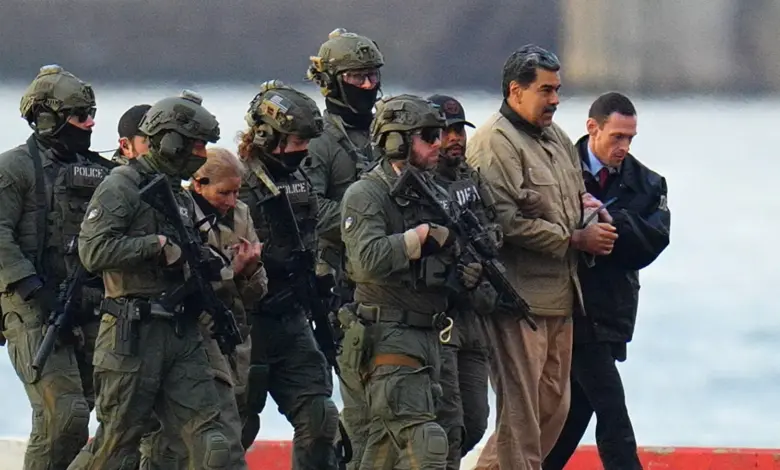
The case tied to nicolás maduro has become more than a criminal indictment: it is now a test of whether prediction markets can police themselves when the wager is connected to sensitive government information. Federal authorities arrested special forces soldier Gannon Ken Van Dyke after he was accused of using confidential information to place bets on Maduro’s removal from office, a move that quickly triggered scrutiny inside the prediction-market world.
The significance is not only the size of the alleged profit, which exceeded $400, 000, but the nature of the conduct. The allegations place a military operation, a prediction platform, and federal fraud charges into the same frame. That combination makes this a turning point for both enforcement and market credibility.
What happens when confidential information meets a prediction market?
The indictment says Van Dyke placed more than $33, 000 in bets on Polymarket just hours before President Donald Trump announced Maduro’s capture. Those wagers allegedly produced more than $409, 000 in returns. Prosecutors say the bets were tied to information he should have protected, not monetized.
Authorities also say Van Dyke tried to delete his account and change the email address linked to his cryptocurrency exchange account after seeing reports about unusual trading linked to the mission. That detail matters because it suggests the case is being viewed not only as a trading violation, but as an effort to conceal the trail after the fact.
The charges include unlawful use of confidential information for personal gain, theft of nonpublic government information, commodities fraud, and wire fraud. In ET terms, this is the kind of case that can shape how quickly regulators respond when event-based trading appears to cross into misuse of sensitive operational knowledge.
What does the current state of play look like?
The arrest and indictment are being treated as the first instance of the Department of Justice prosecuting insider trading on a prediction market. That alone gives the case outsized significance. It signals that platforms built around yes-or-no contracts are no longer beyond the reach of traditional market-integrity enforcement.
Polymarket, which allows traders to bet anonymously on future events, said the suspicious activity was referred to federal authorities and that it cooperated with the investigation. That cooperation may help the company in the short term, but it also underscores a broader reality: prediction platforms now face the same trust questions that follow other financial venues when unusual trading appears ahead of a major event.
| Area | What the case shows |
|---|---|
| Enforcement | Federal prosecutors are willing to treat prediction-market misuse like other forms of fraud |
| Platform risk | Anonymous event contracts can still attract scrutiny when trading patterns look irregular |
| Market trust | Cooperation from the platform may not be enough to prevent reputational damage |
| Policy impact | Future cases may push closer monitoring of sensitive-event wagers |
What forces are reshaping this landscape?
The first force is technological. Prediction markets are designed for speed, anonymity, and real-time reaction, which makes them efficient but also vulnerable when traders may possess nonpublic information. The second is institutional. Once a case like this moves into federal court, it sends a message that event contracts are not a legal gray zone simply because they are new.
The third force is behavioral. Traders are increasingly drawn to markets that convert political and military events into financial outcomes, but that same appeal increases the temptation to act on information before it becomes public. In this case, the alleged conduct centered on a highly sensitive operation and a rapid attempt to erase the digital trail.
For nicolás maduro, the broader implication is that his removal became not only a geopolitical event but also a market event. That intersection is exactly where the next wave of scrutiny is likely to land.
What happens next for markets, regulators, and traders?
Three paths stand out. In the best case, this prosecution becomes a clear warning that discourages misuse of confidential information without chilling legitimate participation in prediction markets. In the most likely case, platforms add stronger monitoring and reporting practices while regulators keep testing the boundaries of this new asset class. In the most challenging case, more cases emerge that make event-based trading look too exposed to insider advantage, slowing growth and narrowing participation.
What should readers take from this? The lesson is not that prediction markets are broken, but that their credibility now depends on whether they can separate informed speculation from misuse of government information. The case around nicolás maduro shows how quickly those lines can blur when politics, military operations, and financial incentives collide. Expect more attention to unusual event-driven trading, more pressure on platforms to cooperate, and more enforcement attempts whenever confidential information appears to touch the market.
nicolás maduro