The garda representative association dispute over EU Presidency planning turned into something larger than a tactical vote: delegates in Westport rejected a return to planning meetings even as the state faces a major security operation. The argument was not simply about one set of meetings. It was about whether members believe their rights are protected when policing demands rise.
What did delegates refuse to do?
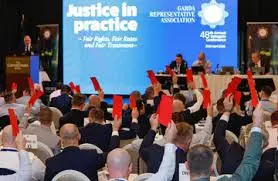
Verified fact: On day three of the seminar in Westport, Co Mayo, members debated a motion to re-engage with planning meetings for the EU Presidency. The motion was rejected after delegates argued that the association needed to “teach the Irish Government a lesson. ”
The garda representative association had previously withdrawn from crucial meetings where deployment decisions for gardaí would be made. That earlier step followed a Special Delegate conference in Kilkenny in February, where protest action was decided in a row with garda headquarters over workplace conditions.
The same February decision also directed members to withdraw from overtime work during the St Patrick’s Day festival in areas outside Dublin. Delegates had already left open the possibility of further action during EU Presidency events. In Westport, the question was whether to reverse that position. They did not.
Why does the garda representative association say the issue goes beyond the EU Presidency?
Verified fact: Delegates said there had still been no resolution to their demands for an examination of discipline practices in An Garda Síochána and other conditions of service. That unresolved dispute remained central to the debate in Westport.
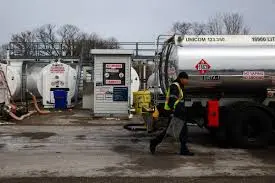
The concern was sharpened by the recent policing operation linked to the fuel protests, when an extraordinary event was declared and gardaí were directed to work on their day off, while leave was cancelled. Delegates argued that the same kind of pressure was likely to return during the EU Presidency.
Analysis: The vote suggests that delegates see the planning meetings not as a neutral administrative process but as the point where operational demands become binding on members. The garda representative association is treating access to those meetings as leverage in a wider industrial dispute over discipline and conditions of service.
Who argued for re-engagement, and who warned against it?
Verified fact: Shane Bonner of Dublin North Central called for the association to re-engage in the meetings. He said the association was outside the meetings at present and stressed that planning was still going ahead. His argument was that without a seat in the room, the association was not engaging or protecting members’ rights.
David Lestrange, a Dublin-based delegate, and Peter Firth from the South East also supported the motion. Firth warned that the association risked allowing members’ workplace rights to be “rode roughshod over. ”
But the support for the motion changed sharply when Conor Molloy of Donegal Division urged delegates not to back it. He said the association had already decided on action in February and that changing course now would amount to reneging on that decision. He added that strategically the motion would make the association look weak.
What does the conference dispute reveal about the state’s planning problem?
Verified fact: The EU Presidency is being treated by delegates as a major security operation, and they believe the same pressures seen during the fuel protests could be repeated. That is why planning meetings have become such a central point of contention.
Analysis: The deeper issue is not only whether the garda representative association attends meetings. It is whether operational planning can proceed smoothly when members believe prior promises have not been addressed. The conference debate shows a conflict between preparedness on the state side and leverage on the association side. Each side appears to see the same meetings differently: one as necessary coordination, the other as a test of whether workplace concerns will be taken seriously.
The result is a standoff with implications beyond the conference hall. If the association stays out of the process, planning may continue without its input. If it returns, delegates fear that they will have surrendered pressure at a moment when no resolution has yet been reached on discipline practices or other service conditions.
Accountability question: The unresolved part of the dispute is whether garda headquarters and the wider state structure will address those underlying demands before the next security demands intensify. Until that happens, the garda representative association is likely to keep framing the EU Presidency not as routine planning, but as a test of power, rights, and trust.