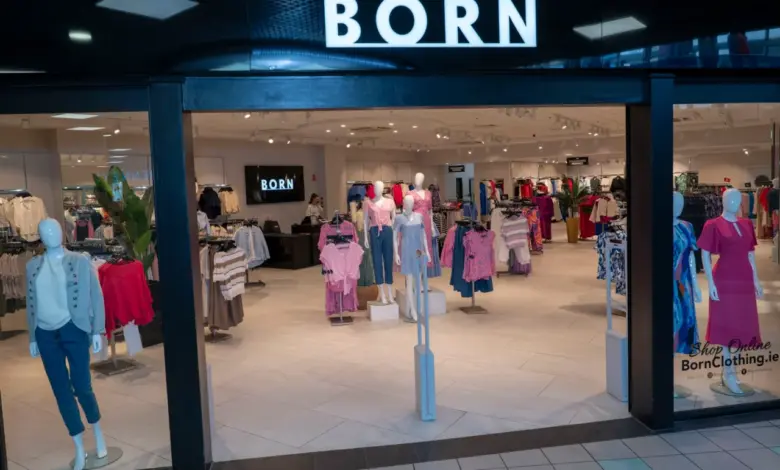
Inside Born Clothing’s 15 shops, the racks and tills now sit under the shadow of the word liquidator. In court, the picture was starker still: 116 employees, 17 companies, and debts of €7. 82 million that the High Court heard could not be managed in the business’s current form.
Why was a liquidator appointed to Born Clothing?
The High Court appointed David O’Connor and Ian Barrett of BDO as provisional liquidators to 17 companies within the Born Clothing group, including nine trading companies. The appointment was made by Mr Justice Micheál O’Connell after the court heard the business was insolvent and that an urgent intervention was needed to prevent a more abrupt shutdown.
Gary McCarthy, who presented the winding-up petition on behalf of the company, said the appointment was necessary because the alternative of a creditors voluntary winding up would have meant the business would immediately cease trading. That distinction matters for employees, suppliers and customers because the provisional liquidator can help manage an orderly process rather than a sudden stop.
What does this mean for the 116 employees?
The human impact is immediate. The judge was told the group employs 116 people across the business, and the provisional liquidators are expected to deal with employees as part of the process. That places the staff at the centre of a difficult transition, as the retailer moves from trading to winding down under court supervision.
The court also heard that the business holds stock valued at €680, 000. Securing that stock is one of the tasks now facing the liquidator, alongside managing the companies’ affairs and preserving value where possible. In practical terms, the process is meant to prevent assets from disappearing into confusion at the very moment people need clarity.
How did Born Clothing reach this point?
The court heard that the companies’ difficulties arose for several reasons, including the Covid pandemic, an increase in the minimum wage and high business rates. The judge was also told that loans had been made within the group, and Mr Justice O’Connell said that would be a matter for the provisional liquidators to investigate.
Another route was examined, but examinership was found not to be possible. That left the court with a narrower set of options, and the appointment of a liquidator became the mechanism for dealing with a business that could no longer carry its debt burden in its present structure.
What happens next in the Born Clothing case?
The judge made the petition returnable in a month, meaning the case will return to court for further consideration. For now, the provisional liquidators are in place to ensure an orderly winding up, handle employee matters and secure assets while the company’s position is managed under the court’s oversight.
For shoppers passing a store window, the changes may appear gradual. For workers and creditors, they are already real. The word liquidator now marks the point where a retail chain that once traded across the country enters a tightly supervised closure, with the court, the appointed professionals and the group’s remaining assets all part of what happens next.