rio tinto said on Tuesday it is watching the Middle East crisis closely, but it has limited visibility over how the disruption may affect the second half of its calendar year. The miner said the impact on its operations has been limited so far, even as it warned supply chains could still be hit later in the year. The update came as Rio Tinto reported stronger March-quarter iron ore sales and a rise in copper production.
Iron Ore Output Holds Firm as Rio Tinto Tracks Risk
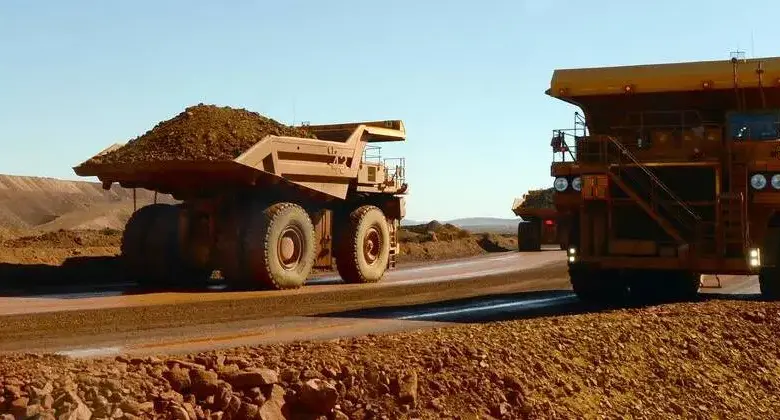
Rio Tinto said it sold 2% more iron ore in the March quarter than in the same period a year earlier. The increase was driven by its Pilbara operation in Western Australia, where production rose 13% to 78. 8 metric tonnes, marking its second-highest first-quarter result since 2018.
the global shock from the Middle East has so far been manageable for its operations. But it also said the outlook for the second half of 2026 remains unclear, with rio tinto maintaining contingency plans while it monitors the evolving situation.
Middle East Crisis Leaves Second-Half Outlook Unclear
The concern centers on shipping lanes in the Strait of Hormuz after the US-led attack on Iran on February 28, which disrupted trade routes and pushed oil prices higher. Rio Tinto said it has relatively limited visibility on how the ongoing conflict will affect supply chains later in the year.
, chief executive Simon Trott said, “The unmatchable mix and scale of our portfolio has ensured growth and supply chain resilience. ” The company also said higher commodity prices have helped offset some of the pressure from the disruption, while the supply impact on its operations has remained limited.
Diesel Costs Stay High, But Cost Position Holds
Rio Tinto said it uses about 1. 6 billion litres of diesel each year, mostly in the Pilbara. higher diesel prices are steepening the cost curve, but added that its cost position remains resilient because of scale and global supply-chain leverage.
That detail matters because fuel is a major operating expense for the miner, and the company framed its position as still strong even with elevated costs. The March-quarter numbers suggest rio tinto has so far absorbed the pressure without a major disruption to output.
Copper Gains Add Another Layer to the Story
Rio Tinto also said copper production rose 9% in the March quarter as its Oyu Tolgoi mine in Mongolia continues to ramp up. The miner has been looking at ways to bulk up its copper portfolio amid a global scramble for the metal, and the latest figures point to continued progress on that front.
In February, Rio Tinto walked away from a proposed merger with copper and commodities rival Glencore after the two sides failed to agree on a price that would deliver shareholder value. The talks had once raised the prospect of one of the world’s largest mining groups, but that plan collapsed again.
For now, the key question is whether the Middle East disruption deepens or stays contained. Rio Tinto said it is keeping a close watch and has contingency plans in place, but it also made clear that rio tinto still sees limited visibility on what comes next.