The 1926 census is set to draw huge interest when records are released on Saturday, opening a new window into the first census of the independent Irish State. For many families, the search will begin with a name, an address, or a place remembered only through older stories.
What will the 1926 census show?
The records contain 13 categories of information. They include names and addresses, relationship to the head of household, age, sex, marital status, birthplace, proficiency in the Irish language, occupation, and place of employment. The release also includes separate details for married women, married men, widows, and widowers, with questions on children and stepchildren.
For people tracing family history, that breadth matters. It means the 1926 census can do more than confirm where someone lived. It can also show the structure of a household, the work people did, and the family responsibilities they carried. The National Archives of Ireland is advising anyone hoping to search to gather as much information as possible before beginning, especially names, ages in 1926, and places of residence.
Why is this release different from earlier census records?
This release is the first census for the independent Irish State, so Northern Ireland is not included. That makes it different from the 1901 and 1911 censuses, which covered the island. The National Archives of Ireland has already placed those earlier records online and made them free to view, and the 1926 census will follow the same general template.
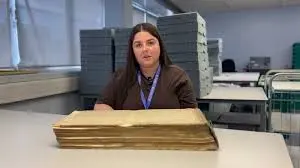
There is also a practical difference in how the digital records are being created. This time, they are being made from the actual hard copies held in the National Archives for the last century. That should improve the clarity of the images and make it easier for users to search for relatives and ancestors.
How should people prepare before searching?
The National Archives of Ireland is recommending that users think carefully about spelling variations before they begin. A surname may appear in a different form in the records, so searching by county or townland may help if a direct name search does not work. The public will be able to search by name, address, age, and employment, giving users several ways to narrow down results.
There is also a small chance that a name may be redacted. That can happen if individuals or their families chose to opt out, although it is described as rare. For most users, the release should still offer a detailed and personal view of life in 1926, down to the home, the family structure, and the work people recorded for themselves.
Why does the 1926 census matter to families now?
It matters because it turns distant history into something specific. A line in the 1926 census can show whether an ancestor was married, where they worked, what language they spoke, and who lived in the same household. For descendants, that can answer old questions or create new ones. For the National Archives of Ireland, it also marks another step in opening historic records to the public in a form that is easier to search than before.
When the records go live, the interest is expected to be strong. The opening search may begin with curiosity, but it is likely to end with something more intimate: a fuller picture of family life, preserved in the language of names, homes, and ordinary detail.