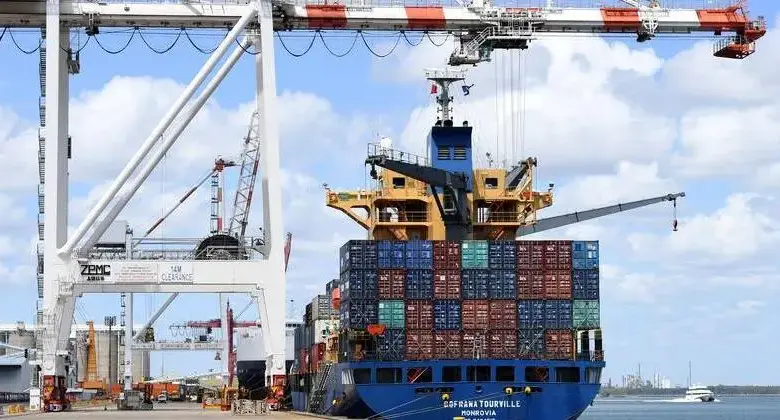
urea is now at the center of a practical turning point for Australia, as the government moves to speed up fertiliser imports while a refinery fire and wider fuel concerns keep pressure on supply chains. The immediate issue is not shortage alone; it is resilience, timing, and whether the system can hold through a period of uncertainty that is already affecting farm planning and energy security.
What Happens When Supply Lines Stay Uncertain?
The federal government has announced a streamlined border import process for fertiliser as the Middle East conflict continues to pressure supplies. Sixty per cent of the supply of urea to Australia for fertiliser travels through the Strait of Hormuz, which has remained closed since US-Israeli strikes launched on Iran in February. That fact makes the current moment especially sensitive for farmers beginning sowing season.
Agriculture Minister Julie Collins said the changes are intended to reduce costs, reduce port clearance times, lower administrative burdens, and protect the safety of fertiliser before shipping. Strict biosecurity standards will not be affected. Collins also said there is enough fertiliser in Australia today and on its way for the initial planting season, but the longer-term question is less certain because the timing of supply remains unpredictable.
What If Fuel Pressure And Fertiliser Pressure Move Together?
The fertiliser move is happening alongside a separate strain on fuel supplies. Fire crews battled a blaze at an Australian oil refinery that provides ten per cent of the nation’s fuel, adding another layer of concern at the same time the government is trying to secure supply lines abroad.
Trade Minister Don Farrell is travelling to Singapore to join Foreign Minister Penny Wong in a bid to guarantee ongoing fuel supplies. That follows Prime Minister Anthony Albanese’s visit to Singapore last week, where he agreed on strengthening energy ties with his counterpart Lawrence Wong. Albanese is now in Malaysia continuing a series of international visits designed to shore up Australia’s fuel supplies.
What Changes Matter Most Right Now?
The government’s response is being shaped by logistics as much as diplomacy. The new fertiliser process includes certification from an authorised offshore inspector showing goods are free of biosecurity risk for all imports, plus a requirement for importers using higher-risk pathways to provide a bagged sample for prior inspection.
That matters because the issue is not just whether urea is available, but whether it can arrive efficiently enough to support planting schedules without adding unnecessary friction. In this environment, the policy goal is to keep goods moving while limiting risk.
| Pressure point | Current signal | Likely effect |
|---|---|---|
| Urea supply | Most supply moves through the Strait of Hormuz | Higher exposure to disruption |
| Fertiliser imports | Streamlined border process introduced | Faster clearance and lower costs |
| Fuel security | Refinery fire and diplomatic push to secure imports | Added concern over continuity |
What If Diplomatic Efforts Do Not Deliver Quickly?
There is also political pressure building around whether international travel is producing concrete gains. Opposition Leader Angus Taylor questioned whether the prime minister’s trip was delivering results for Australians, asking how many more litres of fuel had been generated and whether the visits were producing joint statements or actual fuel.
The government’s challenge is that supply reassurance has to be both visible and real. For farmers, the question is whether fertiliser can arrive in time and in full. For energy markets, the question is whether alternative supply arrangements can cushion the effect of any disruption. For ministers, the test is whether the current moves reduce vulnerability before the next shock arrives.
In the best case, the streamlined fertiliser process helps steady sowing season needs while fuel diplomacy delivers enough continuity to avoid immediate stress. In the most likely case, Australia manages through the next phase with added administrative support and closer regional coordination, but with lingering uncertainty over both fuel and fertiliser. In the most challenging case, continued disruption around the Strait of Hormuz and any further strain on refining capacity would force more aggressive intervention and tighter prioritisation.
The key takeaway is that urea is no longer just a farm input; it is a test of how quickly Australia can adapt when transport routes, border processes, and energy security all tighten at once. The next phase will depend on whether the government’s faster procedures and diplomatic outreach can translate into dependable supply before the pressure deepens.