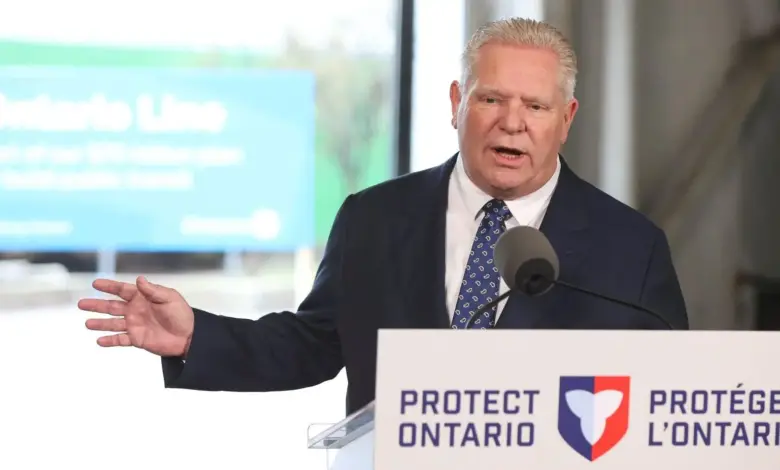
In a city where beef and vegetables have become the focus of political arguments, surveillance pricing is now part of a bigger fight over who should set the cost of food and how much power governments should have in the checkout line. Ontario Premier Doug Ford has made his position plain: he does not support banning the practice, and he does not support city-run grocery stores either.
What is Ford rejecting?
Ford is rejecting two linked ideas: a ban on surveillance pricing and the creation of publicly run grocery stores. He says he believes in a free-market, capitalist society, and that competition is the best driver of lower prices. He also says that if collusion is happening, he will “tear them to shreds. ”
The debate has grown sharper because Manitoba has proposed banning what it calls “predatory pricing” on groceries, while Toronto has advanced a pilot project that would open four city-run grocery stores. Ford called that proposal “the craziest idea” he has ever heard. In his view, the better answer is not government control, but a market that forces prices down.
Why does surveillance pricing matter to shoppers?
Surveillance pricing has become a flashpoint because it raises the possibility that two people can be charged differently for the same item, at the same time, from the same seller, especially on digital platforms. The issue has gained traction as lawmakers and advocates focus on how personal analytics may shape prices in ways shoppers cannot easily see or challenge.
Ford did not frame the issue as a problem needing a new ban. Instead, he linked grocery prices to broader cost pressures, especially fuel. He said grocery prices are sky high and tied that to rising gas prices, arguing that transport costs affect what families pay at the store. The premier also said the big grocery chains have profit margins of “two or three per cent, ” suggesting the savings from public stores would be limited.
What do the supporters of public stores argue?
Supporters of a pilot project see a different reality at the cash register. The high cost of beef and vegetables has helped push the idea of publicly funded grocery stores into public debate. Toronto city council passed a pilot project last month, and the concept has drawn wider attention after being raised in another major city during an election campaign.
The Daily Bread Food Bank took part in the discussion with a letter to city council during the debate. It cited a three to five per cent margin on food items and said the maximum theoretical monthly savings for a four-member family would be $11 to $18. The food bank wrote that while any savings matter, that level of reduction alone is unlikely to significantly improve affordability for households facing food insecurity without additional subsidy.
That point matters because the argument is not only about ideology. It is also about whether small savings can meaningfully change life for families already stretched by food costs. In that sense, surveillance pricing is part of a larger question: how much relief can policy deliver when prices are rising for several reasons at once?
Who is pushing for a ban?
Federal New Democrat Leader Avi Lewis is calling on Prime Minister Mark Carney to ban surveillance pricing that uses an individual’s data to assess prices charged on digital platforms. Manitoba has also introduced a bill to ban the practice. Those moves show that the issue is no longer confined to academic debate or retail theory; it is now a live policy fight with competing ideas about fairness, privacy, and market power.
Ford’s response leaves little room for compromise. He says competition will solve the issue and insists that the market should dictate prices. But his position also highlights a gap between policy ambition and political appetite. Some leaders want to regulate how prices are set; others want to leave the system intact and punish only clear collusion.
What does this mean for families watching prices rise?
For shoppers, the immediate reality is simpler than the policy debate. They are still paying more for food, watching fuel costs and grocery bills move together, and trying to understand whether the prices they see are fair. surveillance pricing adds another layer of uncertainty because it suggests that price differences may not always be visible, consistent, or easy to explain.
Ford’s stance suggests Ontario will not be moving toward a ban or toward public grocery stores under his leadership. That may settle the political argument for now, but it does not settle the pressure at the checkout. For families facing the weekly food bill, the question remains open: if the market is meant to bring prices down, when will they feel it in the cart?
Image alt text: surveillance pricing debate over grocery costs and Doug Ford’s rejection of public grocery stores